
How to Break a Lease Early Without Losing Your Deposit
Part of: Tools and everyday fixes
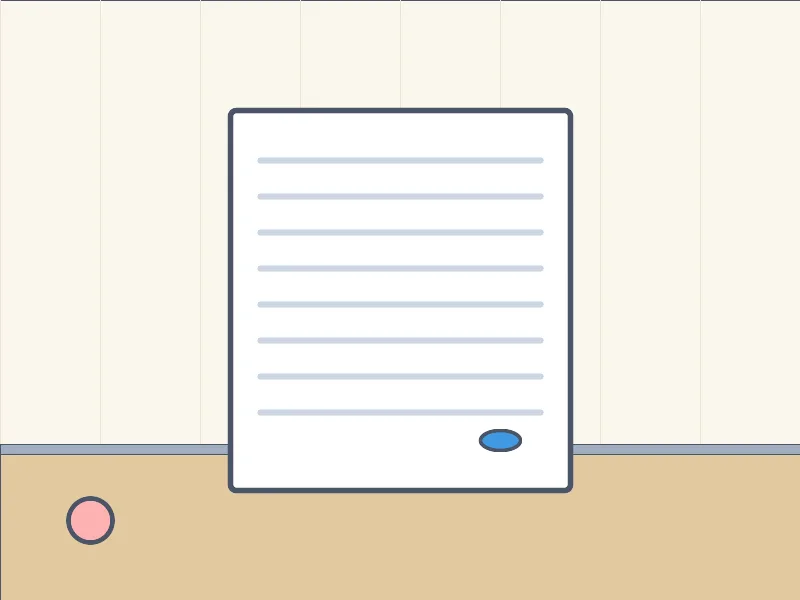
- Difficulty
- Easy
- Time
- A few weeks of planning
- Tools
- Copy of the lease, written notice, camera, cleaning supplies, moving boxes, checklist, calendar
- Call a pro if
- The landlord demands the whole remaining rent, or you are being threatened with eviction, since a tenant rights adviser or lawyer should read the lease first.
In this guide
Breaking a lease early usually costs something, but a deposit can often be protected. The difference is paperwork and timing. Here is how to break a lease early without losing your deposit.
1. Read the lease for an exit clause
1. Find the section on early termination.
2. Look for a fee, a notice period and any conditions.
3. Check for a military, job transfer or safety clause.
4. Note whether the landlord must try to re-rent the unit.
5. Write down the exact wording you are relying on.
2. Check local tenant law
1. Look up your state and city rules on early termination.
2. Some places require the landlord to mitigate losses by re-renting.
3. Check notice requirements in writing.
4. Confirm how long the landlord has to return a deposit.
5. Ask a tenant rights group if anything is unclear.
3. Talk to the landlord early
1. Tell them as soon as your plans are firm, not the week you leave.
2. Explain the reason briefly and factually.
3. Ask what they need to end the lease.
4. Offer to help find a replacement tenant.
5. Keep the conversation civil, since they control the deposit.
4. Give written notice
1. Write a short letter or email stating the date you will leave.
2. Reference the lease clause or law you are using.
3. Ask for written confirmation of the move out date.
4. Send it in a way you can prove, such as email with a read receipt.
5. Keep a copy with the date visible.
5. Reduce the landlord's loss
1. Offer to show the unit to prospective tenants.
2. Ask to advertise it yourself on local listing sites.
3. Be flexible about showing times.
4. A replacement tenant on the same terms usually ends your liability.
5. Get any replacement agreement in writing.
6. Clean and repair before the walkthrough
1. Clean to the standard you found it in.
2. Patch small nail holes and touch up paint if the lease allows.
3. Replace burnt out bulbs and filters.
4. Remove all your belongings, including the balcony and storage.
7. Document everything
1. Photograph every room before and after cleaning.
2. Photograph the floors, walls, appliances and any damage that was already there.
3. Note the meter readings on the day you leave.
4. Keep receipts for cleaning or repairs you paid for.
5. Back the photos up outside your phone.
8. Do the walkthrough properly
1. Ask for a joint walkthrough and attend it.
2. Bring your move in photos and the lease.
3. Ask the landlord to note existing damage in writing.
4. Get a signed condition report if they will provide one.
5. Note the date you return the keys.
9. Follow up on the deposit
1. Send your forwarding address in writing.
2. Ask when the deposit will be returned, in line with local rules.
3. Follow up in writing if the deadline passes.
4. Dispute unfair deductions with your photos and receipts.
Common mistakes
- Leaving without written notice, which can extend your liability.
- Stopping rent payments to make a point.
- Skipping the walkthrough and trusting a verbal promise.
- No photos, so deductions cannot be challenged.
- Handing back keys with no record of the date.
Related guides
- How to Sublet an Apartment Legally
- Move-In Checklist for a Rental: Protect Your Deposit
- How to Read a Lease Before You Sign
- Questions to Ask Before Signing a Lease
FAQ
Can I break a lease without paying anything?
Sometimes, if your lease or local law allows it, or if the landlord re-rents quickly. Usually there is a fee or rent until a new tenant signs.
Does the landlord have to find a new tenant?
In many states yes, they must make a reasonable effort. Check your local rules.
Will breaking a lease hurt my credit?
Unpaid rent sent to collections can. A negotiated exit with everything paid usually does not.
How do I protect my deposit when leaving early?
Written notice, a joint walkthrough, dated photos and a forwarding address. Those four cover most disputes.
More from this topic
- How to Get Your Security Deposit Back: Learn how to get your security deposit back: document the rental, fix small damage, clean to the lease...
- Moving Out of a Rental Checklist: Get Your Deposit Back: A moving out of a rental checklist in timeline order: notice, cleaning, patching, photos and the final...
- How to Prepare for a Move-Out Inspection: Learn how to prepare for a move-out inspection: fix small damage, clean room by room, keep receipts and walk...
- How to Sublet an Apartment Legally: Learn how to sublet an apartment legally: check the lease and local rules, get written consent, screen a...
- What Normal Wear and Tear Means in a Rental: What normal wear and tear means for your security deposit: faded paint and worn carpet are the landlord's...
 First HomeHow to Get Your Security Deposit BackLearn how to get your security deposit back: document the rental, fix small damage, clean to the lease standard and keep every message and photo.
 First HomeMoving Out of a Rental Checklist: Get Your Deposit BackA moving out of a rental checklist in timeline order: notice, cleaning, patching, photos and the final walkthrough that protects your deposit.
 First HomeHow to Prepare for a Move-Out InspectionLearn how to prepare for a move-out inspection: fix small damage, clean room by room, keep receipts and walk through the unit with the landlord.
 First HomeHow to Sublet an Apartment LegallyLearn how to sublet an apartment legally: check the lease and local rules, get written consent, screen a subtenant and document the handover.
 First HomeWhat Normal Wear and Tear Means in a RentalWhat normal wear and tear means for your security deposit: faded paint and worn carpet are the landlord's cost, stains and holes are yours.