
How to Build a Simple Wooden Planter Box
Part of: Outdoors and garage
- Difficulty
- Easy
- Time
- 2 to 3 hours
- Tools
- Saw, drill, driver bits, tape measure, square, sandpaper, exterior screws, landscape fabric, staples, safety glasses
- Call a pro if
- You want a box taller than about 2 feet, or one that sits on a balcony with weight limits, since soil is heavy and the structure needs checking.
In this guide
- Wear protection
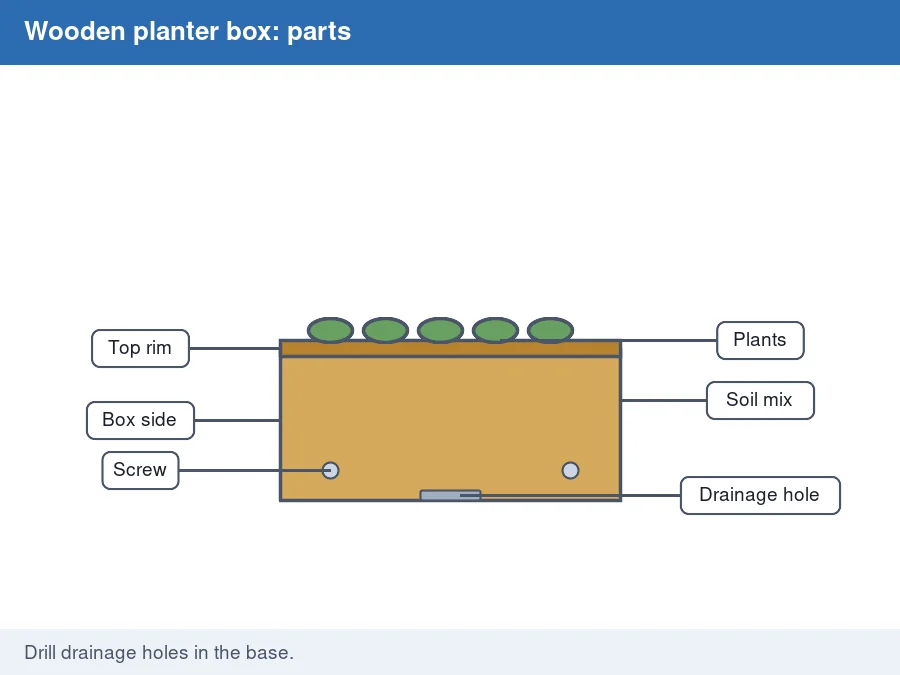
A planter box gives you a defined bed, better soil and control over drainage. Four boards and a liner is all it takes. Here is how to build a simple wooden planter box.
1. Choose the size and spot
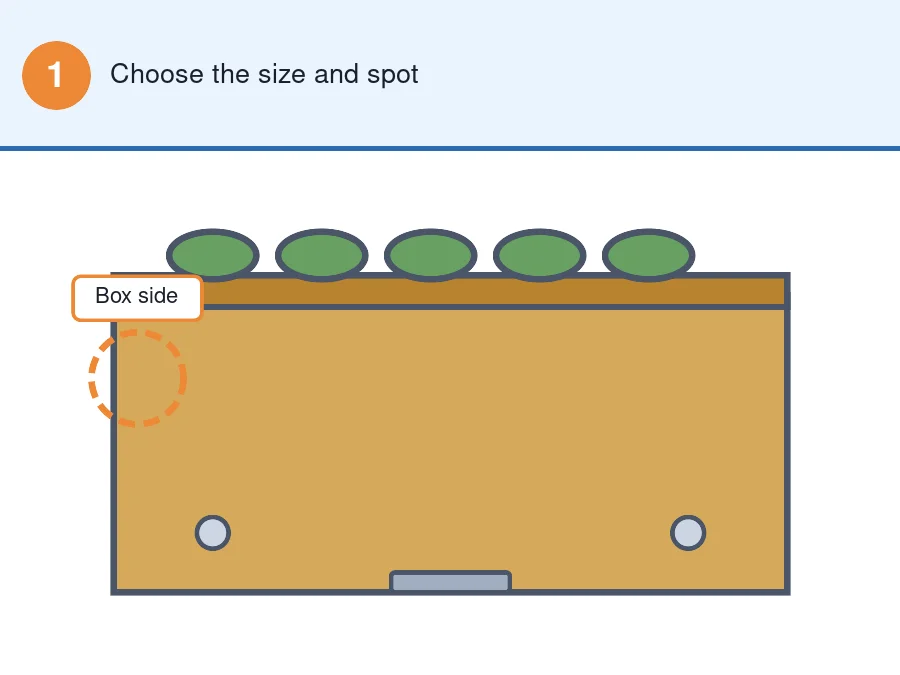
1. Decide the length, width and depth for what you will grow.
2. Most vegetables need at least 10 to 12 inches of soil.
3. Herbs and flowers manage with less.
4. Check the spot gets the sun the plants need.
2. Pick the wood
1. Use cedar or pressure treated lumber.
2. Avoid old pallet wood unless you know it is untreated.
3. Check boards for knots and cracks.
4. Avoid composite boards if you plan to grow food, since some are not rated for it.
3. Cut the parts
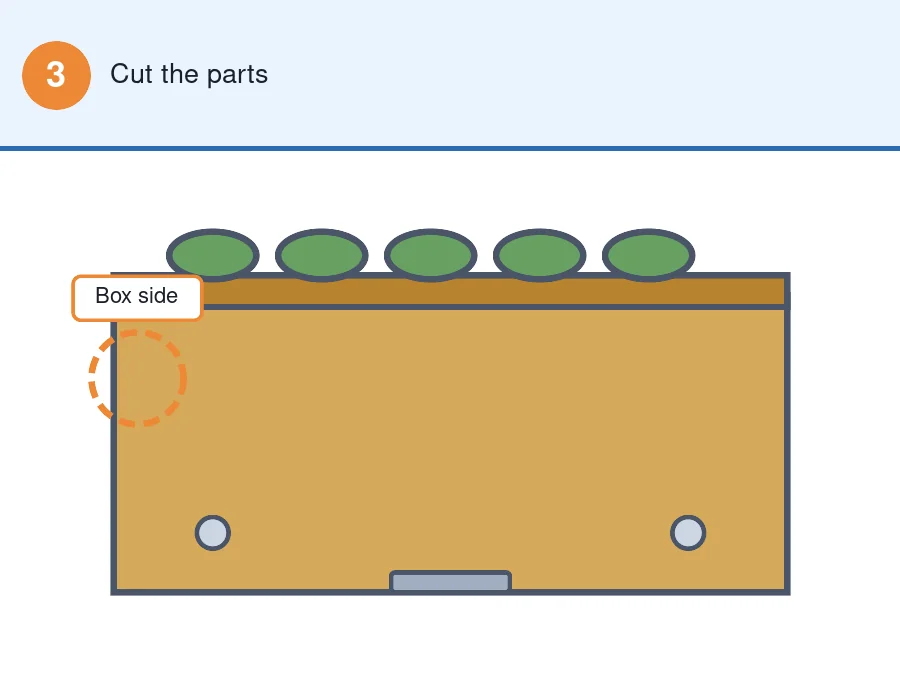
1. Cut two long sides and two short sides.
2. Cut a base panel if the box will sit on a hard surface.
3. Check the lengths match in pairs.
4. Sand all cut ends.
4. Assemble the box
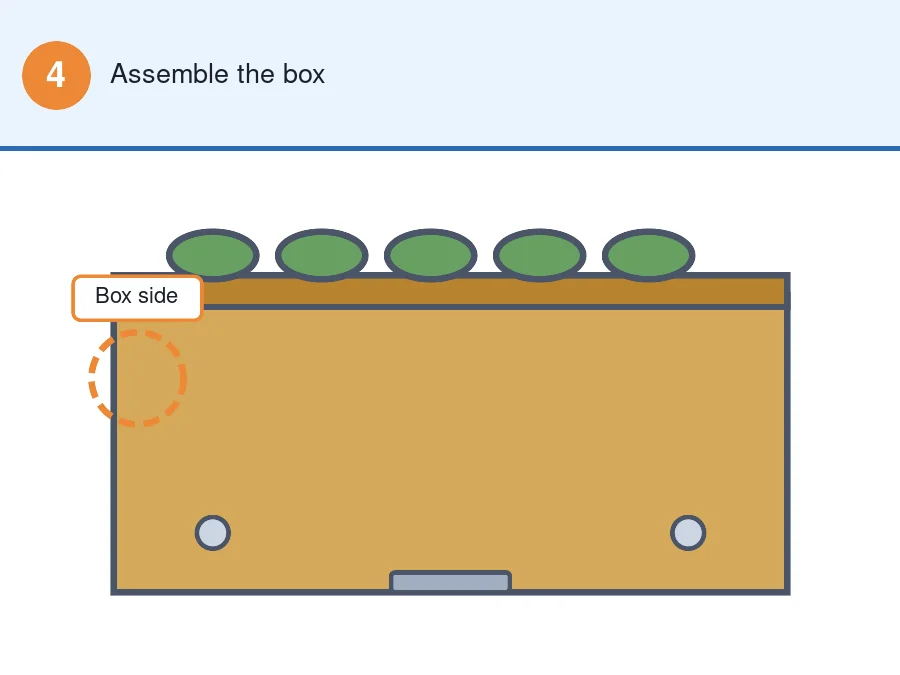
1. Predrill the ends to stop splitting.
2. Screw the short sides between the long sides.
3. Check the box for square with a diagonal measurement.
4. Add a corner brace inside each corner for strength.
5. Add drainage
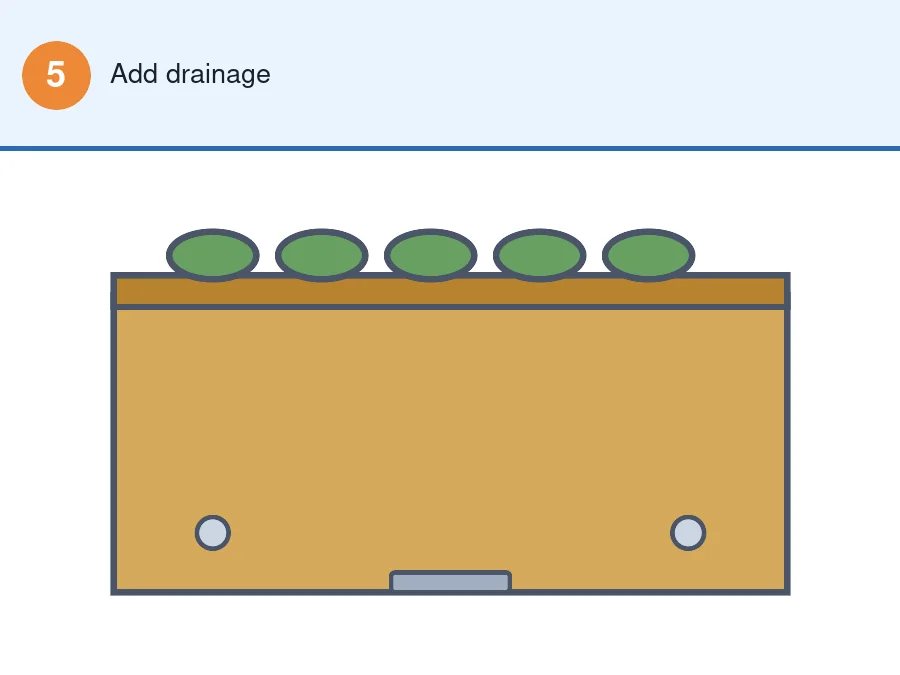
1. Drill holes in the base if it has one.
2. Space holes about 6 inches apart.
3. If the box has no base, set it on gravel or soil that drains.
4. Raise it slightly on feet so water can escape.
6. Line the inside
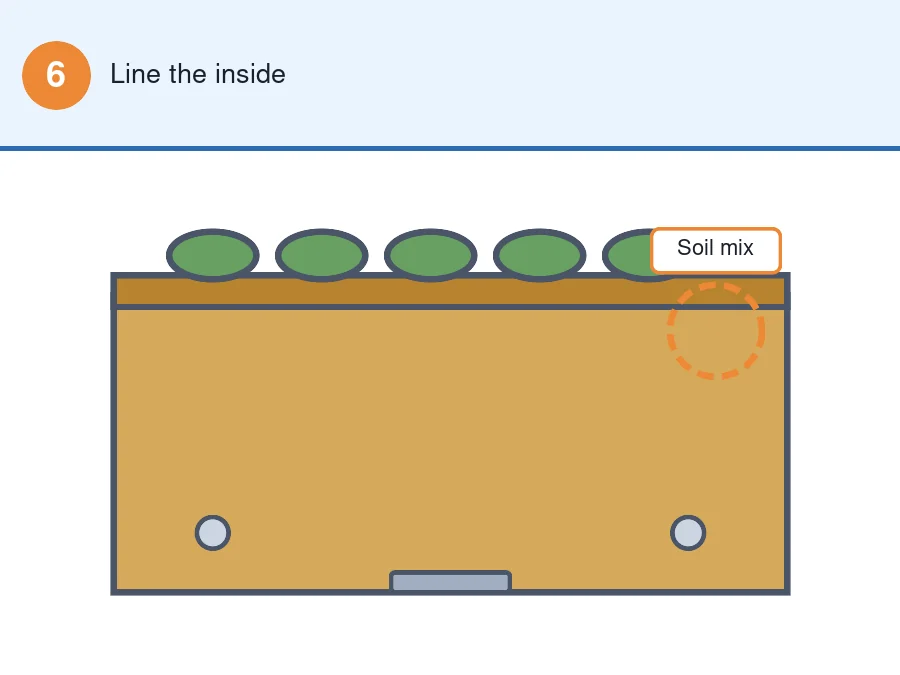
1. Staple landscape fabric inside the box.
2. Leave the drainage holes clear.
3. The fabric keeps soil in and lets water out.
4. Avoid plastic sheeting, which traps water.
7. Fill with the right mix
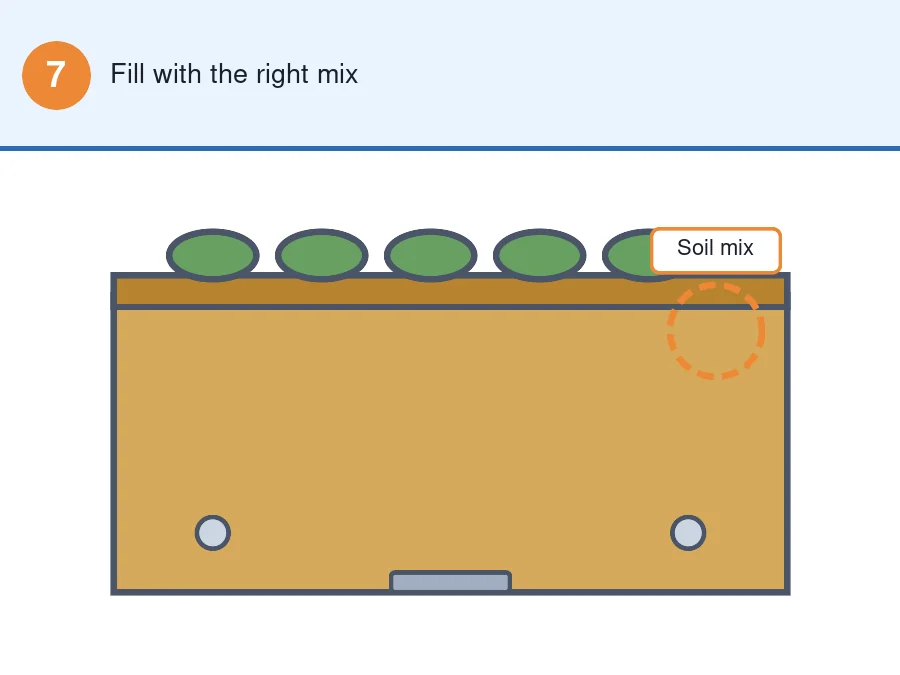
1. Use a potting mix, not garden soil, which compacts.
2. Mix in compost for nutrients.
3. Leave an inch of space below the rim for watering.
4. Water the soil and let it settle, then top up.
8. Plant and water
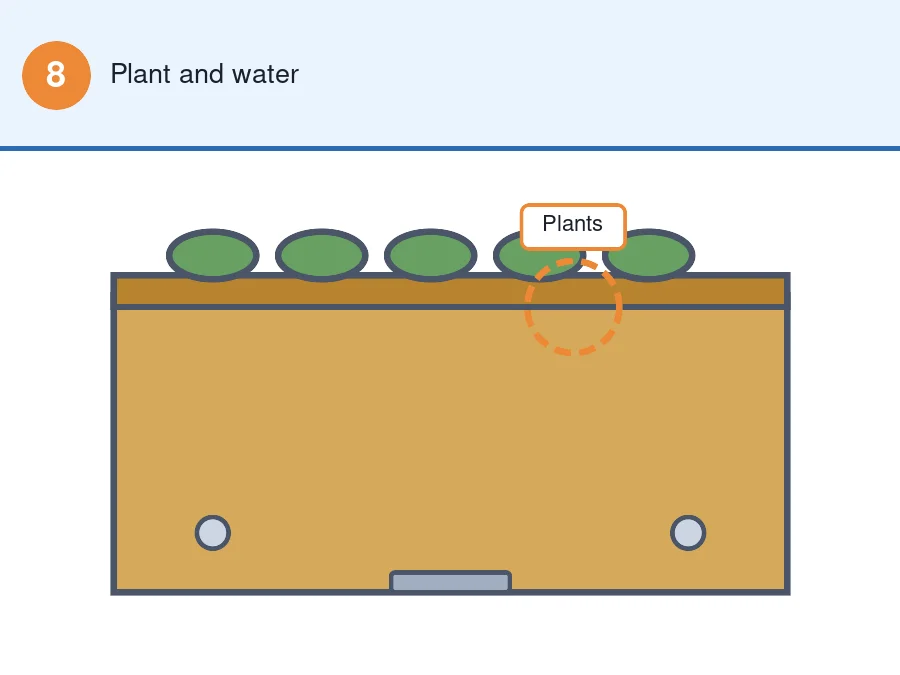
1. Plant at the spacing on the seed packet or label.
2. Water gently so seeds do not wash out.
3. Check moisture with a finger before watering again.
4. Feed every few weeks through the season.
9. Keep it going
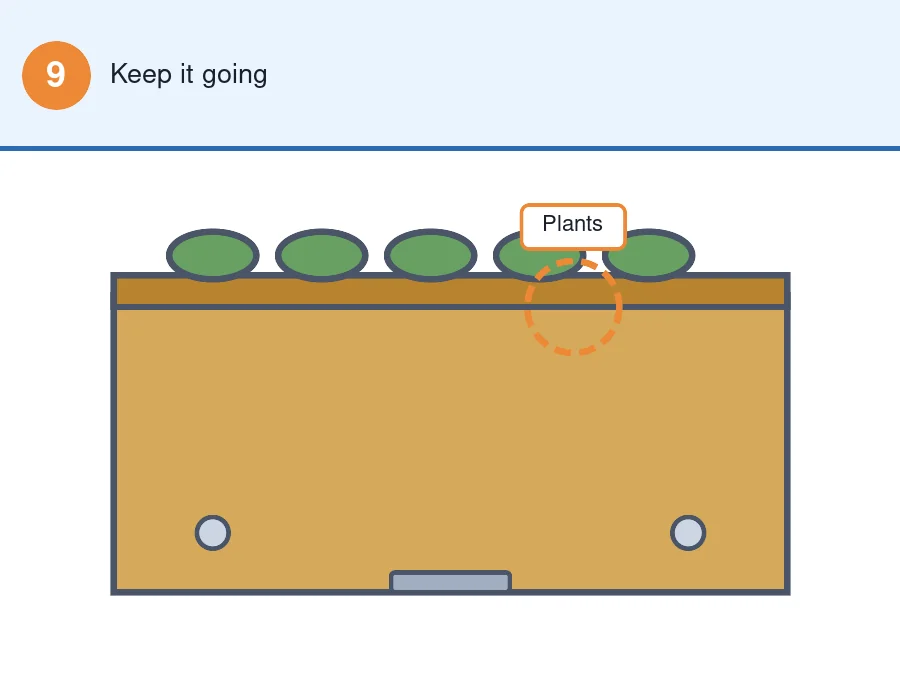
1. Top up the soil each season.
2. Replace the fabric when it tears.
3. Check the wood for rot at the base.
4. Move the box if plants are struggling for light.
Common mistakes
- Using garden soil, which sets like concrete in a box.
- No drainage holes, so roots rot.
- No liner, so soil washes out of the gaps.
- Building too deep without a plan for filling it.
- Putting a full box on a balcony without checking the load.
FAQ
What wood is safe for a vegetable planter?
Cedar, or pressure treated lumber rated for ground contact. Avoid old pallet wood of unknown origin.
Do wooden planter boxes need a liner?
A fabric liner helps keep soil in and slows rot. Do not use solid plastic, which traps water.
How deep should a planter box be?
At least 10 to 12 inches for vegetables, 6 to 8 inches for herbs and shallow rooted flowers.
How long does a wooden planter last?
Five to ten years for cedar or treated wood, less if it sits in constant wet.
Related guides
- How to Build a Simple Cold Frame for Winter Greens: Learn how to build a simple cold frame for winter greens: site it facing south, frame it from scrap wood, fit...
- How to Build a Wood Storage Rack Against a Fence: Learn how to build a wood storage rack against a fence: keep the stack off the ground, leave an air gap...
- How to Build a Simple Outdoor Trash Can Enclosure: Learn how to build a simple outdoor trash can enclosure: size it to your trash cans, frame it with an open...
- How to Build a Saw Horse: Learn how to build a saw horse: cut splayed legs, fix them to a top rail and brace it so it holds a heavy...
- How to Build a Fire Pit Area in the Yard: Learn how to build a fire pit area in the yard: check the rules, pick a clear spot, dig and level the base,...
 Garage and OutdoorsHow to Build a Simple Cold Frame for Winter GreensLearn how to build a simple cold frame for winter greens: site it facing south, frame it from scrap wood, fit an old window and vent it on warm days.
 Garage and OutdoorsHow to Build a Wood Storage Rack Against a FenceLearn how to build a wood storage rack against a fence: keep the stack off the ground, leave an air gap behind it and cover only the top.
 Garage and OutdoorsHow to Build a Simple Outdoor Trash Can EnclosureLearn how to build a simple outdoor trash can enclosure: size it to your trash cans, frame it with an open back and fit a lid that lifts clear.
 Tools and BasicsHow to Build a Saw HorseLearn how to build a saw horse: cut splayed legs, fix them to a top rail and brace it so it holds a heavy plank steady.
 Garage and OutdoorsHow to Build a Fire Pit Area in the YardLearn how to build a fire pit area in the yard: check the rules, pick a clear spot, dig and level the base, ring it with stone and keep a safe clearance.