
How to Cut Tile Without a Wet Saw
Part of: Basic plumbing
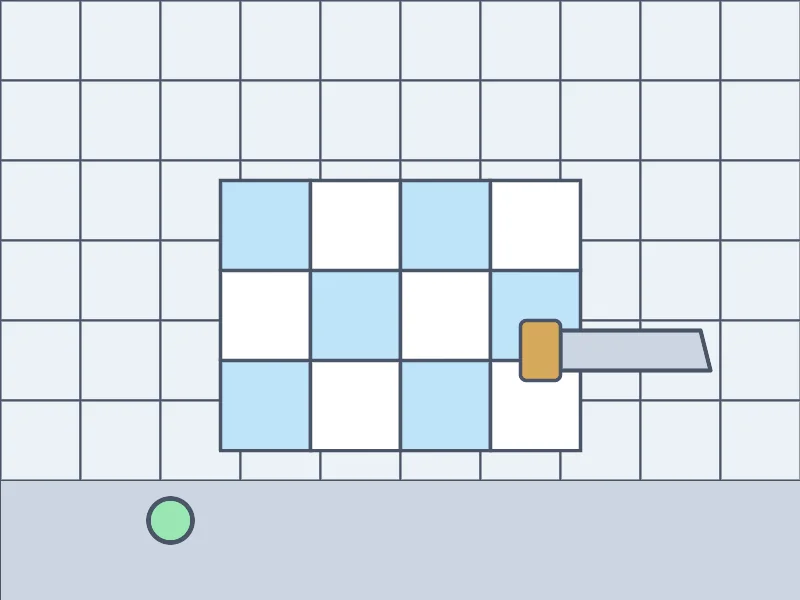
- Difficulty
- Easy to moderate
- Time
- 15 to 45 minutes for a small job
- Tools
- Manual tile cutter or glass cutter, angle grinder with a diamond blade, tile nippers, straightedge, pencil, tape measure, safety glasses, dust mask, sponge, file or rubbing stone
- Call a pro if
- The tile is large format, natural stone, or glass mosaic, or the job needs many precise diagonal cuts. Those are much easier with a wet saw.
In this guide
- Know which tile you have
- Measure and mark the cut
- Score and snap with a manual cutter
- Break the edge with a rubbing stone
- Use an angle grinder for notches and curves
- Use nippers for small bites
- Control the dust
- Support the tile while cutting
- Check the fit before you set it
- Common mistakes
- Related guides
- FAQ
- When to call a pro
- Wear protection
- Chemical safety
A wet saw gives the cleanest tile cuts, but it is a big, messy tool to rent for a small repair. The choice of tool is most of how to cut tile without a wet saw, and a good snap cutter handles straight cuts. Most straight cuts and many notches can be done with hand tools and an angle grinder, especially on ceramic tile.
The limits matter. Porcelain is harder than ceramic, and large tiles need a better cutter. Here is how to cut tile without a wet saw, and when to stop and rent one.
1. Know which tile you have
- Ceramic: softer, scores and snaps easily with a manual cutter.
- Porcelain: denser and harder, needs a good cutter or a diamond blade.
- Natural stone: varies, and often needs a wet saw for a clean edge.
- Glass mosaic: needs a glass cutter or nippers, and patience.
If the tile is porcelain or stone, plan on a diamond blade for anything but the simplest cut.
2. Measure and mark the cut
1. Measure twice, and mark with a pencil on the face of the tile.
2. Use a straightedge to draw a clean line.
3. Mark the waste side, so you do not cut the wrong piece.
4. Leave a small margin and trim to fit, since grout lines forgive a little but a short tile does not.
For a row of tiles against a wall, measure at both ends, since walls are rarely straight.
3. Score and snap with a manual cutter
This is the fastest method for straight cuts in ceramic.
1. Set the tile on the cutter bed against the fence.
2. Lower the scoring wheel and pull it across the tile in one firm pass.
3. Do not score twice in the same line, which chips the glaze.
4. Press the breaker handle to snap the tile along the score.
A clean snap makes a small cracking sound and leaves a straight edge.
4. Break the edge with a rubbing stone
The cut edge is sharp and slightly rough.
- Run a rubbing stone or a file along the cut edge at an angle.
- This removes the sharp burr and helps the tile sit flat.
- Do not round it over, since the grout line needs a square edge.
5. Use an angle grinder for notches and curves
For an outlet cutout, a pipe notch, or a curved edge, a diamond blade in an angle grinder is the tool.
1. Mark the shape on the face of the tile.
2. Clamp the tile firmly, or set it on a stable surface with the edge supported.
3. Put on eye protection and a dust mask.
4. Cut along the line with the blade, letting the tool do the work.
5. Keep the blade moving, and do not force it.
For an inside corner, make several relief cuts to the line and break out the waste, then clean up with the blade or nippers.
6. Use nippers for small bites
Tile nippers nibble small pieces away, which is useful for mosaic and for fine adjustments.
- Bite small amounts, a little at a time.
- Work from the edge inward.
- Wear eye protection, since chips fly.
Nippers are not for long straight cuts, only for shaping.
7. Control the dust
Cutting dry makes a lot of dust.
- Work outdoors or in a garage with the door open.
- Put a damp towel under the tile to catch dust.
- Wear a fitted mask, not a loose paper one.
- Wipe the tile with a damp sponge before installing, since dust stops thinset from bonding.
8. Support the tile while cutting
An unsupported tile cracks in the wrong place.
- Set the tile on a flat surface with the cut line supported.
- For a narrow strip, cut from the waste side so the strip does not break off.
- For large tiles, use a helper or a support board.
9. Check the fit before you set it
Dry fit each cut tile before applying thinset.
- Check the gap at the wall, which should match the other tiles.
- Check that the cut edge will be hidden under trim or in a grout line.
- Check for chips on the visible face, which are hard to hide.
Common mistakes
- Scoring twice and chipping the glaze.
- Cutting with the waste side wrong and ending up short.
- Using a wood blade, which will not cut tile.
- Cutting without eye protection or a mask.
- Installing a dusty tile, which stops the thinset bonding.
Related guides
- How to Cut a Tile Around a Pipe
- How to Use Tile Nippers
- How to Use a Notch Trowel
- How to Keep Tile Joints Even
FAQ
Can I cut porcelain tile without a wet saw?
Yes, with a diamond blade in an angle grinder or a good manual cutter. Porcelain is harder and chips more, so test on a scrap first.
What is the cheapest way to cut a few tiles?
A manual score and snap cutter for straight cuts, plus nippers for small adjustments. A diamond blade is worth it if you have many cuts.
How do I cut a hole for an outlet in tile?
Mark the opening, drill starter holes at the corners, and cut with a diamond blade or a hole saw made for tile.
Why does my tile keep breaking off the line?
The tile is not supported, or the score is not deep enough. Support the waste side and make one firm pass.
More from this topic
- How to Cut Tile Around a Toilet Flange: Learn how to cut tile around a toilet flange: mark the circle from the flange, cut from the back and keep the...
- How to Cut a Tile With a Scoring Cutter: Learn how to cut a tile with a scoring cutter for clean straight cuts on wall tile, and where a scoring...
- How to Cut a Tile Around a Pipe: Learn how to cut a tile around a pipe neatly: mark the center, drill the corners and cut the slot so the tile...
- How to Remove Tile Without Damaging the Subfloor: How to remove tile without damaging the subfloor: cut the grout first, work the chisel at a shallow angle,...
- How to Use a Grout Float: Learn how to use a grout float to pack joints evenly: hold it at a shallow angle, work across the joints and...
 BathroomHow to Cut Tile Around a Toilet FlangeLearn how to cut tile around a toilet flange: mark the circle from the flange, cut from the back and keep the cut inside the bowl line.
 TileHow to Cut a Tile With a Scoring CutterLearn how to cut a tile with a scoring cutter for clean straight cuts on wall tile, and where a scoring cutter stops working.
 BathroomHow to Cut a Tile Around a PipeLearn how to cut a tile around a pipe neatly: mark the center, drill the corners and cut the slot so the tile slides in behind.
 BathroomHow to Remove Tile Without Damaging the SubfloorHow to remove tile without damaging the subfloor: cut the grout first, work the chisel at a shallow angle, and know when to stop and replace the underlayment.
 BathroomHow to Use a Grout FloatLearn how to use a grout float to pack joints evenly: hold it at a shallow angle, work across the joints and clean before it sets.