
How to Divide and Transplant Perennials
Part of: Outdoors and garage
- Difficulty
- Easy
- Time
- 1 to 2 hours per clump
- Tools
- Spade or garden fork, two hand forks, knife, pruning shears, wheelbarrow, hose, compost, mulch, gloves
- Call a pro if
- The clump is a large ornamental grass or a shrub sized perennial you cannot lift, or the bed is waterlogged and roots are rotting, since those need a different approach.
In this guide
- Wear protection
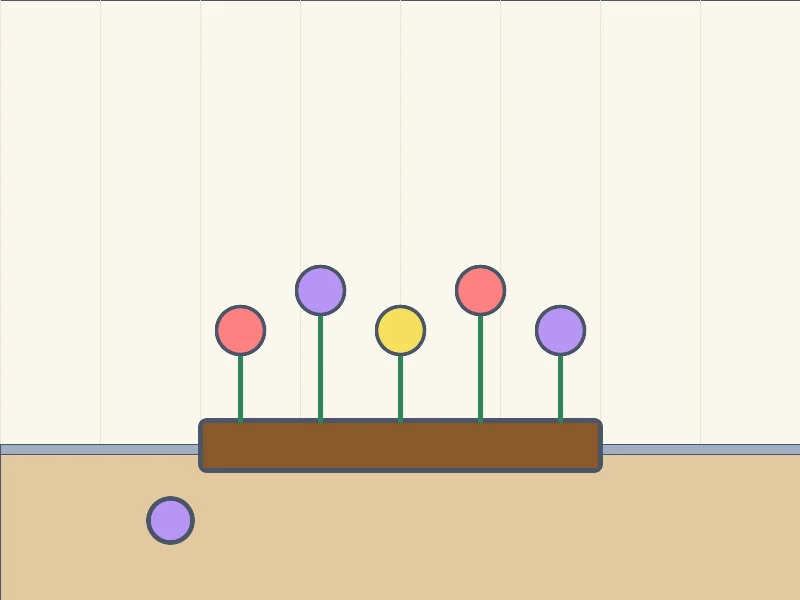
Perennials spread outward and go bare in the middle after a few years, and flowers get smaller. Lifting and splitting the clump restores vigor, gives you free plants and keeps the bed in scale. Here is how to divide and transplant perennials.
1. Know when to divide
1. Divide spring flowering plants in fall, and fall flowering plants in spring.
2. Divide when the center of the clump dies out or flowering thins.
3. Avoid dividing in the middle of a heat wave or while the plant is in full bloom.
4. Divide every three to five years for most clumping perennials.
5. Some plants resent disturbance; check before you lift them.
2. Prepare the new spot first
1. Clear weeds and loosen soil where the divisions will go.
2. Add compost and mix it through the top 8 inches.
3. Have the bed ready before you lift, so roots are out of the ground for minutes, not hours.
4. Water the new spot so the soil is moist but not soaked.
5. Keep a bucket of water or wet burlap for roots waiting to go in.
3. Water the plant before lifting
1. Water the clump deeply the day before, if the soil is dry.
2. Water again an hour before digging so the root ball holds together.
3. Cut back tall stems by about half to reduce water loss.
4. Tie tall foliage loosely so it is out of the way.
5. Work in shade or early morning if you can.
4. Lift the clump
1. Push a spade straight down in a circle around the clump, wider than the foliage.
2. Lean on the spade to loosen the soil all around.
3. Slide the spade under the root ball and lift it out.
4. Set the clump on a tarp or in a wheelbarrow.
5. Keep as much soil on the roots as you can.
5. Split the clump
1. Shake off loose soil so you can see the roots.
2. For fibrous clumps, push two garden forks back to back into the middle and lever them apart.
3. For tough crowns, cut through with a sharp spade or a knife.
4. Divide into pieces with at least three growing shoots and a good root mass each.
5. Discard the woody center, which is the oldest and least vigorous part.
6. Trim and check each division
1. Trim broken or damaged roots with clean cuts.
2. Cut back foliage by about a third so the smaller root mass can support it.
3. Check for rot, which is soft and brown, and cut it out.
4. Keep divisions out of direct sun while you work.
5. Sort the healthiest pieces for the best spots.
7. Replant at the right depth
1. Dig a hole as wide as the roots spread and no deeper than the root mass.
2. Set the crown at the same level it grew before, not buried.
3. Spread roots outward in the hole.
4. Backfill and firm gently, then water.
5. Space divisions by their mature spread so you are not dividing again next year.
8. Water and mulch
1. Water each division until the soil is soaked.
2. Add 2 inches of mulch, clear of the crown.
3. Water every few days for the first two weeks, then weekly.
4. Shade new divisions with a board for a few days in hot weather.
9. Watch for problems
1. Wilting for a few days is normal; wilting after a week means water is wrong.
2. Yellow leaves usually mean too much water or root damage.
3. Check for heaving after a freeze and press roots back in.
4. Remove flower buds in the first season so energy goes to roots.
Common mistakes
- Dividing in full summer heat, so divisions scorch before roots take.
- Replanting the woody center instead of the vigorous outside pieces.
- Burying the crown too deep.
- Letting roots dry out on a tarp in the sun.
- Watering lightly and often instead of deeply.
FAQ
Which perennials should not be divided?
Plants with a single taproot, and a few that resent disturbance such as peonies and some poppies. Check before you lift.
How often should I divide perennials?
Every three to five years for most clumping kinds. Divide sooner if the center dies out or flowers shrink.
Can I divide perennials in summer?
Only with shade, daily watering and cool weather. Spring and fall give much better survival.
Do I have to cut the foliage back?
Cut it by about a third. It reduces water loss while leaving enough leaves to feed the roots.
Related guides
- How to Install a Trellis for Climbing Plants: Learn how to install a trellis: choose the right type for the plant, anchor it to walls or posts securely,...
- How to Prune a Shrub Correctly: Learn how to prune a shrub correctly: cut at the right time of year, remove dead wood first and make clean...
- Fix Leaking Garden Hose: Split, End or Coupling: Garden hose spraying from a split or the end? Fix leaking garden hose problems: find the leak, patch a hole...
- Install Hose Reel on a Wall: Steps That Last: Want to install hose reel hardware the right way? Find solid mounting spots, connect the spigot and avoid...
- How to Mulch Around a Tree Correctly: Learn how to mulch around a tree correctly: keep the ring wide and shallow, clear the trunk flare and stop...
 Garage and OutdoorsHow to Install a Trellis for Climbing PlantsLearn how to install a trellis: choose the right type for the plant, anchor it to walls or posts securely, and train your climbers onto it.
 Garage and OutdoorsHow to Prune a Shrub CorrectlyLearn how to prune a shrub correctly: cut at the right time of year, remove dead wood first and make clean cuts just above a bud.
 Garage and OutdoorsFix Leaking Garden Hose: Split, End or CouplingGarden hose spraying from a split or the end? Fix leaking garden hose problems: find the leak, patch a hole and replace a hose end.
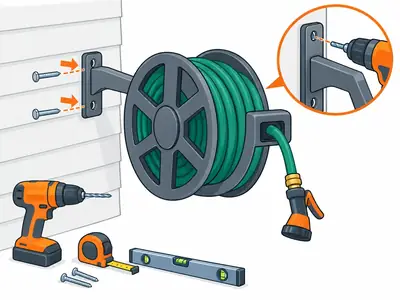 Garage and OutdoorsInstall Hose Reel on a Wall: Steps That LastWant to install hose reel hardware the right way? Find solid mounting spots, connect the spigot and avoid leaks so your hose stays tidy.
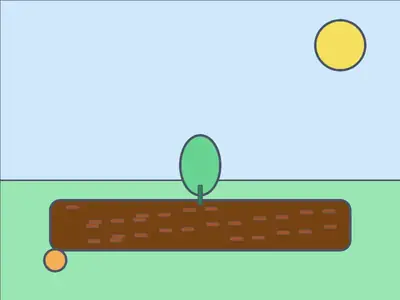 Garage and OutdoorsHow to Mulch Around a Tree CorrectlyLearn how to mulch around a tree correctly: keep the ring wide and shallow, clear the trunk flare and stop piling mulch against the bark.