
How to Fix a Damp Patch on a Basement Wall
Part of: Basic plumbing
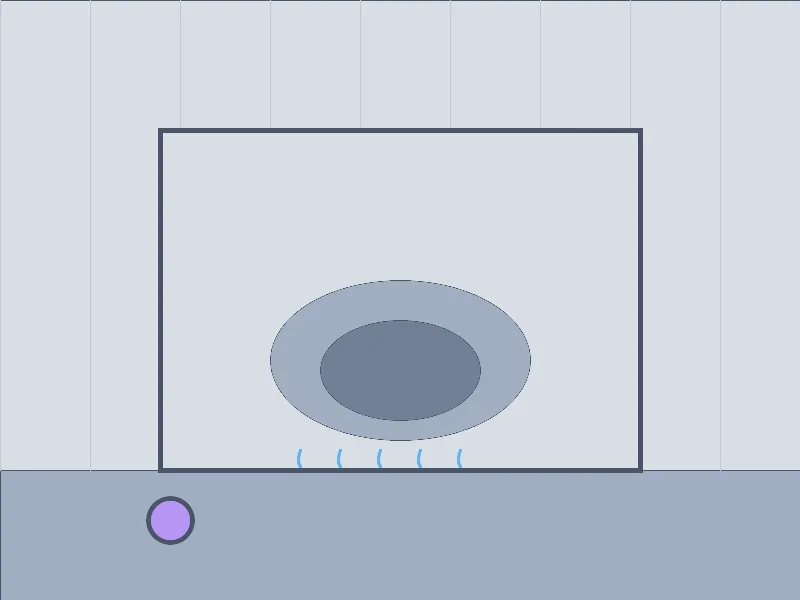
- Difficulty
- Moderate
- Time
- 2 to 6 hours plus curing
- Tools
- Wire brush, chisel, hydraulic cement, trowel, waterproof masonry coating, dehumidifier, moisture meter, gloves, eye protection
- Call a pro if
- The wall is bowing, the patch grows with every rain, or water runs in rather than seeping, since those are structural or drainage problems.
In this guide
- Wear protection
A damp patch on a basement wall is either water coming through the concrete or condensation forming on a cold surface. They look similar and are fixed differently, so the first job is telling them apart. Here is how to fix a damp patch on a basement wall.
1. Identify the type
- Seepage: a damp patch that grows after rain, often at the wall-floor joint.
- Condensation: an even film of moisture, worse in humid weather.
- Crack seepage: a line of damp following a visible crack.
- Efflorescence: white powder left as water evaporates.
- Plumbing leak: a patch near a pipe or the water heater.
2. Test it
1. Tape a square of plastic sheet to the wall for 24 hours.
2. Condensation appears on the outside of the plastic.
3. Seepage appears on the wall behind the plastic.
4. A moisture meter confirms the reading.
5. Note the pattern after rain.
3. Deal with condensation
1. Insulate the wall or improve airflow.
2. Run a dehumidifier.
3. Keep the space closed in humid weather.
4. Fix a dryer or bathroom vent that dumps moist air inside.
4. Prepare a seepage wall
1. Remove loose paint and efflorescence with a wire brush.
2. Chip out cracks into a shallow V.
3. Clean the surface and dampen it.
4. Do not coat over a wet wall.
5. Fix the outside drainage first where possible.
5. Fill cracks
1. Use hydraulic cement for active leaks; it sets while wet.
2. Press it firmly into the crack with a trowel.
3. Hold it until it sets.
4. For hairline cracks, a masonry crack filler works.
5. Do not just smear filler over the surface.
6. Apply a coating
1. Choose a waterproof masonry coating rated for interior basement walls.
2. Apply to a damp, not wet, surface as the label directs.
3. Two coats, with the second at right angles to the first.
4. Keep the area ventilated while it cures.
5. Coatings slow vapor; they do not stop water under pressure.
7. Fix the outside first when you can
1. Extend downspouts away from the wall.
2. Grade soil so it slopes away.
3. Clear the gutters.
4. Seal visible cracks from outside if they are accessible.
8. Watch it after the repair
1. Check the patch after the next heavy rain.
2. Photograph it for comparison.
3. If it returns in the same place, the water is still coming through.
4. If it moves, the source is elsewhere.
5. Keep the dehumidifier running in humid months.
9. Know when it is bigger than a patch
- The wall bows or has horizontal cracks.
- The floor heaves.
- Water runs in during rain.
- Efflorescence returns within weeks.
- The patch covers a large area.
Those need a foundation or waterproofing contractor, not another coat of paint.
Common mistakes
- Coating a wet wall.
- Painting over efflorescence.
- Treating condensation as seepage.
- Ignoring the outside drainage.
- Sealing the inside and trapping water in the wall.
FAQ
Why is there a damp patch on my basement wall?
Either water seeping through the concrete or condensation on a cold wall. The plastic sheet test tells you which.
Will waterproof paint stop a leak?
It slows vapor and small seepage. It will not stop water under pressure.
What is hydraulic cement used for?
Filling cracks that are actively leaking; it sets even when wet.
Should I seal a basement wall from inside or outside?
Outside is more effective. Inside coatings help with damp but not with water pressure.
Related guides
- How to Seal Small Cracks in a Basement Wall Yourself: Learn how to seal small cracks in a basement wall: tell harmless cracks from serious ones, clean and fill...
- How to Waterproof a Basement Wall From the Inside: How to waterproof a basement wall from the inside: find the source, fix outside water first, inject cracks,...
- How to Dry Out a Damp Basement: Learn how to dry out a damp basement: find the moisture source, improve airflow, run a dehumidifier, fix...
- How to Fix a Leaking PVC Pipe Joint: Leaking PVC pipe joint dripping or weeping? Find the source, dry the pipe and repair it with a new coupling,...
- How to Install or Replace a Sump Pump Check Valve: Sump pump cycling on and off or water flowing back into the pit? Learn how to install or replace a sump pump...
 First HomeHow to Seal Small Cracks in a Basement Wall YourselfLearn how to seal small cracks in a basement wall: tell harmless cracks from serious ones, clean and fill with the right sealant, and watch for changes.
 First HomeHow to Waterproof a Basement Wall From the InsideHow to waterproof a basement wall from the inside: find the source, fix outside water first, inject cracks, and know when sealer fails.
 PlumbingHow to Dry Out a Damp BasementLearn how to dry out a damp basement: find the moisture source, improve airflow, run a dehumidifier, fix drainage and check for mold before it spreads.
 PlumbingHow to Fix a Leaking PVC Pipe JointLeaking PVC pipe joint dripping or weeping? Find the source, dry the pipe and repair it with a new coupling, primer and cement. Steps and safety tips included.
 PlumbingHow to Install or Replace a Sump Pump Check ValveSump pump cycling on and off or water flowing back into the pit? Learn how to install or replace a sump pump check valve and set it up correctly.