
How to Mulch Leaves With a Mower Instead of Raking
Part of: Outdoors and garage
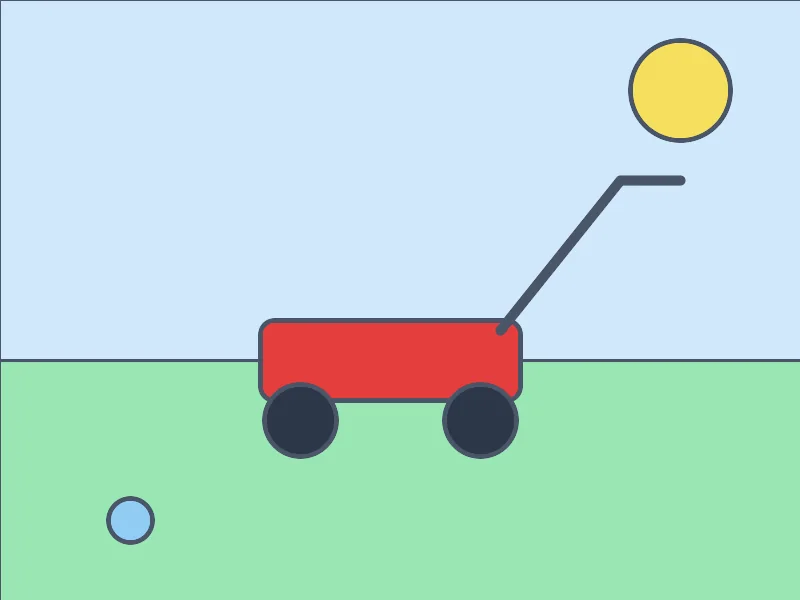
- Difficulty
- Easy
- Time
- About the same as a normal mow
- Tools
- A mower with a mulching blade or plug, and dry-ish leaves
- Call a pro if
- The leaf cover is deep and wet across a large lot, which may need a cleanup crew or a bagging pass first.
In this guide
- Wear protection
Mulching leaves into the lawn feeds the soil, saves hours of raking and skips the bags entirely. Done right, the shredded pieces disappear into the grass in a week or two. How to mulch leaves with a mower starts with the conditions, since dry or lightly damp leaves mulch and soaking wet ones clog the deck.
1. Wait for the right conditions
1. Mulch when the leaves are dry or only lightly damp.
2. Soaking wet leaves clump, clog the deck and smother the grass.
3. Midday after the dew lifts is usually the sweet spot.
4. Do not wait for a foot of leaves; mulch a few inches at a time.
2. Set up the mower
1. Fit a mulching blade if your mower accepts one; it chops leaves finer.
2. Install the mulch plug or close the discharge chute.
3. Remove the bag so clippings recirculate under the deck.
4. A sharp blade shreds leaves; a dull one just pushes them around.
3. Raise the cutting height
1. Set the deck to one of the higher positions.
2. A higher cut keeps the mower from bogging down in deep leaves.
3. It also leaves the grass long enough to hold the shredded leaves.
4. You can lower it for a final pass if needed.
4. Mow in overlapping passes
1. Mow at half speed so the blade has time to chop.
2. Overlap each pass by half to catch what the last pass missed.
3. Aim for confetti-sized pieces, about dime to quarter size.
4. A second pass at a right angle breaks up stubborn clumps.
5. Check the finish
1. The shredded leaves should fall between the grass blades, not blanket them.
2. You should still see grass standing through the leaf layer.
3. Rake and redistribute any thick patches by hand.
4. If the lawn looks buried, bag the excess rather than leaving it.
6. Use the extra as mulch
1. Blow or rake extra shredded leaves onto garden beds.
2. A two-to-three-inch layer insulates beds and feeds the soil.
3. Keep the mulch a few inches back from stems and trunks.
4. Shredded leaves also compost far faster than whole ones.
7. Keep the mower clean
1. Scrape leaf buildup from under the deck after each session.
2. Clogged decks cut poorly and rust faster.
3. Check the air filter after dusty leaf sessions.
4. Clean equipment now means an easy first mow in spring.
Common mistakes
- Mulching soaking wet leaves, which clumps into mats that smother the grass.
- Waiting until leaves are ankle deep, so the mower bogs and the lawn gets buried.
- Leaving a solid layer of shreds on the lawn, which blocks light and invites disease.
- Mowing with a dull blade, which beats leaves into ragged clumps instead of shredding them.
FAQ
Is mulching leaves good for the lawn?
Yes. Shredded leaves break down quickly and return nutrients and organic matter to the soil. It is free fertilizer, as long as the pieces are small and the grass still shows through.
Can I mulch leaves with a regular mower?
Yes, though a mulching blade chops finer. Close the discharge, raise the deck and make an extra pass; most standard mowers handle dry leaves fine.
How many leaves are too many to mulch?
If you cannot see grass through the shredded layer, there are too many. Mulch every week or two through fall, or bag the excess and use it as bed mulch.
Do I need a mulching blade?
Not required, but helpful. A mulching blade shreds leaves smaller so they break down faster. A sharp standard blade still does a serviceable job on dry leaves.
Related guides
- How to Mow a Lawn Correctly: Height, Timing and Pattern: Learn how to mow a lawn correctly: pick the right height, keep blades sharp, mow dry grass, change your...
- How to Clean Up Fall Leaves Fast and What to Do With Them: Learn how to clean up fall leaves with a rake, blower, or mower: protect the lawn and drains, bag or compost...
- How to Prepare Your Lawn for Winter: A Simple Fall Checklist: Learn how to prepare your lawn for winter with simple fall steps: mow, clear leaves, aerate, feed, water, and...
- How to Make a Leaf Mold Bin: Learn how to make a leaf mold bin: frame a simple wire or wood bay, pack in damp leaves and leave them a year...
- How to Aerate a Lawn: When, Why, and How to Do It Yourself: Learn how to aerate a lawn to loosen compacted soil: pick the best time, choose a core aerator, make the...
 Garage and OutdoorsHow to Mow a Lawn Correctly: Height, Timing and PatternLearn how to mow a lawn correctly: pick the right height, keep blades sharp, mow dry grass, change your pattern, and manage clippings for a thicker lawn.
 SeasonalHow to Clean Up Fall Leaves Fast and What to Do With ThemLearn how to clean up fall leaves with a rake, blower, or mower: protect the lawn and drains, bag or compost the leaves, and keep gutters and paths clear.
 Garage and OutdoorsHow to Prepare Your Lawn for Winter: A Simple Fall ChecklistLearn how to prepare your lawn for winter with simple fall steps: mow, clear leaves, aerate, feed, water, and store tools so grass wakes up healthy in spring.
 Garage and OutdoorsHow to Make a Leaf Mold BinLearn how to make a leaf mold bin: frame a simple wire or wood bay, pack in damp leaves and leave them a year to break down.
 Garage and OutdoorsHow to Aerate a Lawn: When, Why, and How to Do It YourselfLearn how to aerate a lawn to loosen compacted soil: pick the best time, choose a core aerator, make the passes, and follow up with seed and water.