
How to Organize a Toolbox
Part of: Tools and everyday fixes · Also in: The Complete Guide to First Home Essentials and Basic Tools
- Difficulty
- Easy
- Time
- One to two hours
- Tools
- Your toolbox, a trash bag, small bins or organizers, foam or dividers and a marker for labels
- Call a pro if
- Nothing; if tools have outgrown the box entirely, it is time to plan larger tool storage for the garage or workshop.
In this guide
- Wear protection
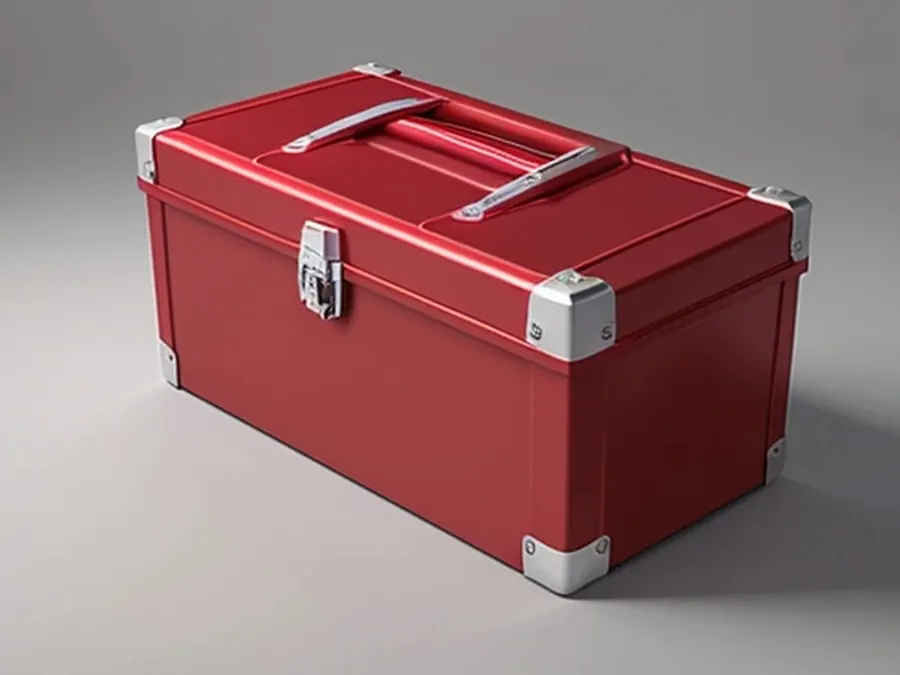
A disorganized toolbox costs you time on every single project and hides the tool you need exactly when you need it. An hour of sorting fixes it for good. How to organize a toolbox starts by emptying the whole box and wiping out the dirt, sawdust and rust flakes.
1. Empty the whole box
1. Dump or lay out every tool and part.
2. Wipe out dirt, sawdust and rust flakes.
3. Vacuum the corners and trays.
4. Organizing around the existing mess never works.
2. Sort into groups
1. Group by type: screwdrivers, wrenches, pliers, measuring, cutting.
2. Make a pile for hardware and small parts.
3. Set aside anything that does not belong in this box.
4. Groups reveal duplicates and gaps instantly.
3. Declutter hard
1. Toss broken, rusted-out and bent tools.
2. Keep one good version of each duplicate; donate the rest.
3. Remove tools you have not touched in a year.
4. A smaller, sharper kit beats a stuffed, chaotic one.
4. Plan by frequency
1. Everyday tools go in the top tray or most accessible spots.
2. Occasional tools go deeper in the box.
3. Rare specialty tools can live in a second box entirely.
4. The ten tools you use weekly should be grab-and-go.
5. Use the compartments
1. Assign small parts to divided trays or mini bins.
2. Stand screwdrivers and pliers upright where possible.
3. Nest socket sets and wrench sets in their own rails or cases.
4. Everything visible beats everything buried.
6. Add foam or dividers
1. Cut foam to line drawers for a custom fit.
2. Trace and cut tool outlines for a shadow board effect.
3. Dividers stop tools sliding into a jumble when you carry the box.
4. A missing-tool-shaped gap tells you something did not come home.
7. Label the zones
1. Label compartments with a marker or label tape.
2. Mark sizes on wrench and socket storage.
3. Labeling makes putting things back as fast as taking them out.
4. Anyone in the house can find and return a labeled tool.
8. Maintain the system
1. Return every tool to its spot after each project.
2. Do a five-minute re-sort monthly.
3. Clean tools before they go back in the box.
4. The system survives only if the reset becomes habit.
Common mistakes
- Keeping every broken and duplicate tool just in case.
- Dumping small parts loose into the bottom of the box.
- Burying everyday tools under rarely used ones.
- Skipping the return-it habit, so the box re-chaoses within a month.
FAQ
What is the best way to organize a small toolbox?
Declutter ruthlessly first, then group by type and give everyday tools the top tray. Small divided bins for hardware and foam lining for drawers make even a small box work like a big one.
Should I organize tools by type or by project?
By type for a general home toolbox, since most projects share the same core tools. If you do specialized work like plumbing or electrical regularly, a dedicated project bag per trade works well alongside.
How do I keep tools from rusting in the toolbox?
Keep the box dry, add a silica gel pack or two, and wipe tools clean and dry before storing. A light coat of oil on bare metal tools in humid climates keeps rust off.
When should I upgrade from a toolbox to a tool chest?
When everyday tools no longer fit with room to grab them, or you are stacking boxes to hold the overflow. A rolling chest or wall system in the garage is the natural next step.
Related guides
- How to Organize a Tool Drawer: How to organize a tool drawer so you can find a screwdriver by feel: sort by job, cut a foam or wood insert,...
- How to Organize a Holiday Storage Bin: How to organize a holiday storage bin: sort by room, label the outside, protect fragile items, and keep the...
- How to Organize Cleaning Supplies: Learn how to organize cleaning supplies: declutter, zone by room or task, store safely, and build a...
- How to Sharpen a Chisel: How to sharpen a chisel flat and square: flatten the back, hone the bevel through the grits, remove the burr,...
- How to Use a Wheelbarrow Safely: Learn how to use a wheelbarrow safely: load it evenly, keep the weight over the wheel and move it without...
 Tools and BasicsHow to Organize a Tool DrawerHow to organize a tool drawer so you can find a screwdriver by feel: sort by job, cut a foam or wood insert, and label what lives where.
 Tools and BasicsHow to Organize a Holiday Storage BinHow to organize a holiday storage bin: sort by room, label the outside, protect fragile items, and keep the boxes to one shelf.
 Tools and BasicsHow to Organize Cleaning SuppliesLearn how to organize cleaning supplies: declutter, zone by room or task, store safely, and build a grab-and-go caddy.
 Tools and BasicsHow to Sharpen a ChiselHow to sharpen a chisel flat and square: flatten the back, hone the bevel through the grits, remove the burr, and strop it sharp.
 Tools and BasicsHow to Use a Wheelbarrow SafelyLearn how to use a wheelbarrow safely: load it evenly, keep the weight over the wheel and move it without wrecking your back.