
How to Paint a Wall Behind a Radiator
Part of: Floors, walls and doors · Also in: The Complete Guide to Home Wall and Floor Repair
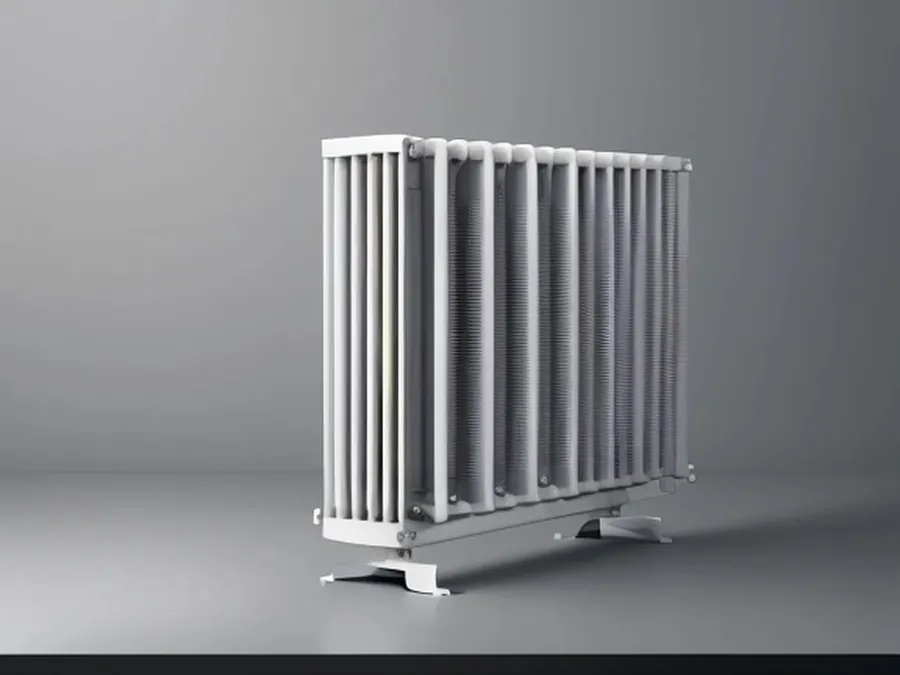
- Difficulty
- Easy
- Time
- 2 to 4 hours plus drying
- Tools
- Radiator brush or long-handled roller, paint tray, dust sheets, masking tape, screwdriver, radiator keys, primer
- Call a pro if
- The radiator valves leak or will not close, or the wall behind is damp or moldy, since paint will not fix a moisture problem.
In this guide
The wall behind a radiator is the part of the room nobody sees and everybody notices when it is missed. You can paint it without removing the radiator, though taking it off gives a better finish. How to paint a wall behind a radiator starts with a choice: paint around it for a like-for-like repaint, or take it off the wall for a proper finish.
1. Decide: around it or off the wall
- Paint around it: quick, fine for a like-for-like repaint in the same color.
- Take it off: better finish, needed for a color change or a repair.
- Lift it off the brackets: a middle option if the pipes have slack.
- Leave it: only if the radiator is never moved and the color is the same.
2. Prepare the room
1. Turn the heating off and let everything cool.
2. Move furniture and lay dust sheets.
3. Tape around baseboard and any installed furniture.
4. Clean the wall, especially above the radiator where warm air carries dust.
5. Fill any cracks and sand smooth.
3. Protect the radiator
1. Tape a sheet of plastic or paper behind the radiator to catch drips.
2. Tape the radiator valves if you are rolling.
3. Cover the floor under the radiator properly; drips land there.
4. Keep paint off the radiator itself unless you are painting it deliberately.
4. Paint with a radiator brush
1. Use a long, angled radiator brush that reaches behind the panels.
2. Load the brush lightly; a dripping brush makes a mess behind the radiator.
3. Work from the top down, in vertical strokes.
4. Paint the wall behind the brackets as far as you can reach.
5. Accept that a small strip may be missed; nobody can see it.
5. Use a small roller where you can
1. A 4 inch (100 mm) roller on a short handle fits behind many radiators.
2. Roll from the top, working down.
3. Keep a wet edge so lap marks do not show above the radiator.
4. Check from a distance; the top edge is what shows.
6. Take the radiator off properly
1. Close both valves.
2. Put a bowl under the valve and crack the union nut.
3. Drain the radiator into the bowl.
4. Lift it off the brackets with help; they are heavier than they look.
5. Cap the valves or tie them up out of the way.
6. Paint the wall fully, then refit and refill.
If you are unsure about the valves, ask a plumber; a leaking valve is worse than a missed patch.
7. Deal with the common problems
- Rust marks on the wall: from a leaking valve or condensation; fix the cause, then stain block before painting.
- Damp patch: find the leak or cold bridge before painting.
- Peeling paint: sand back to sound paint and prime.
- Mold: treat it, improve ventilation, then paint with a mold-inhibiting product.
8. Finish neatly
1. Paint the wall in the same direction as the rest of the room.
2. Cut in along the top of the baseboard and around the pipes.
3. Remove the tape while the paint is still slightly soft.
4. Let it dry fully before turning the heating back on.
5. A sudden heat on fresh paint can cause it to crack.
9. When to paint the radiator too
- A rusty radiator looks better painted with radiator paint.
- Use a paint made for metal and for heat.
- Sand, prime with a metal primer, then two thin coats.
- Do not paint the valves or the bleed screw.
Common mistakes
- Painting a hot radiator wall, so the paint dries too fast.
- Overloading the brush and dripping behind the radiator.
- Missing the visible strip above the radiator.
- Turning the heating on before the paint cures.
- Painting over rust without fixing the leak.
FAQ
Can I paint behind a radiator without removing it?
Yes, with a long angled radiator brush or a small roller. Some paint will be missed where nobody can see it.
Should I turn the heating off to paint?
Yes. Paint a cold wall and let it cure before the heating goes back on.
Do I need to paint the wall behind the radiator at all?
If you are changing color, yes, or the old color will show at the edges.
Can I paint a radiator?
Yes, with radiator paint made for metal and heat, after sanding and priming.
Related guides
- How to Clean a Paint Brush After Latex Paint: Learn how to clean a paint brush after latex paint: rinse, wash with soap and warm water, comb the bristles...
- How to Fix Paint Drips and Runs on a Wall: Fix paint drips and runs by letting them dry, scraping or sanding the ridge flat, touching up with thin...
- How to Paint Over Wallpaper (When Removal Is Not an Option): Paint over wallpaper successfully by securing loose seams, sealing stains with oil-based primer, and...
- How to Prep Walls Before Painting: How to prep walls before painting in order: clear and wash, fill holes, sand and dust, tape the edges and...
- How to Prime a Wall: Learn how to prime a wall before painting: pick the right primer, patch and sand first, and roll it thin so...
 Walls and PaintHow to Clean a Paint Brush After Latex PaintLearn how to clean a paint brush after latex paint: rinse, wash with soap and warm water, comb the bristles and dry it flat so it keeps its shape.
 Walls and PaintHow to Fix Paint Drips and Runs on a WallFix paint drips and runs by letting them dry, scraping or sanding the ridge flat, touching up with thin coats, and adjusting your rolling technique.
 Walls and PaintHow to Paint Over Wallpaper (When Removal Is Not an Option)Paint over wallpaper successfully by securing loose seams, sealing stains with oil-based primer, and skim-coating seams so the pattern never shows through.
 Walls and PaintHow to Prep Walls Before PaintingHow to prep walls before painting in order: clear and wash, fill holes, sand and dust, tape the edges and prime for an even finish coat.
 Walls and PaintHow to Prime a WallLearn how to prime a wall before painting: pick the right primer, patch and sand first, and roll it thin so the topcoat covers evenly.