
How to Stabilize a Gravel Driveway
Part of: Outdoors and garage
- Difficulty
- Moderate
- Time
- 1 to 2 days
- Tools
- Shovel, wheelbarrow, rake, plate compactor, level, binder or fines, geotextile, gloves, boots
- Call a pro if
- The drive has deep ruts through the base, or water crosses it with no route off.
In this guide
- Wear protection
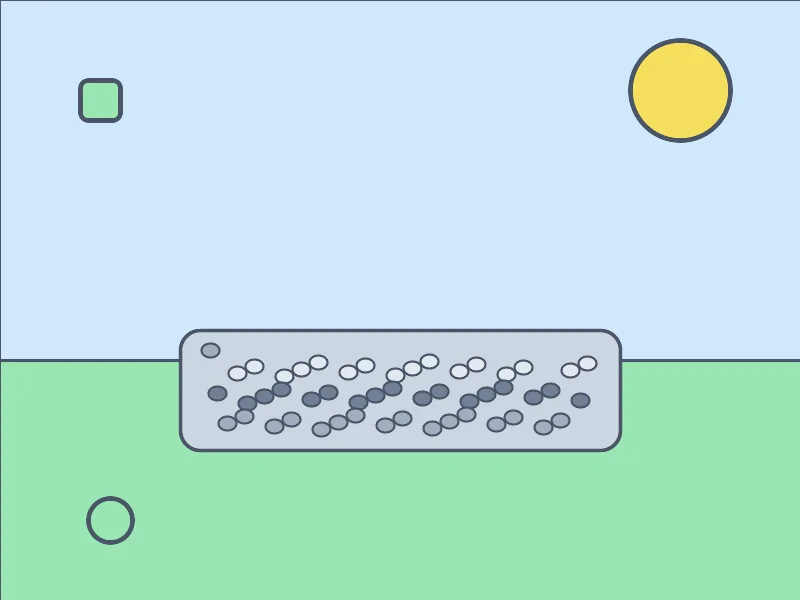
Loose gravel moves under every tire. Stabilizing it is about locking the stone together and getting water off the surface. How to stabilize a gravel driveway starts with where it fails: ruts under the tires, soft spots after rain, and edges that spread.
1. Find where it fails
1. Look for ruts where tires run.
2. Note soft spots after rain.
3. Check the edges for spreading stone.
2. Check the drainage
1. Watch where water crosses the drive.
2. Check the crown and the edges.
3. Clear any ditch or channel.
3. Fix the base first
1. Dig out any soft spot to firm ground.
2. Fill with larger crushed stone.
3. Compact it in layers.
4. Add fabric where it is soft
1. Lay geotextile over the repaired base.
2. Overlap the joins.
3. Fabric stops stone punching into mud.
5. Choose a binding method
1. Stone dust or fines bind the surface.
2. A liquid stabilizer binds the top layer.
3. A grid system suits a soft base.
6. Spread the binder
1. Rake a thin, even layer over the surface.
2. Work it into the top stone with a rake.
3. Keep the crown shape as you go.
7. Water and compact
1. Damp the surface lightly.
2. Compact with a plate compactor in passes.
3. Work from the edges toward the middle.
8. Shape the crown
1. Check the drive is slightly higher in the middle.
2. Rake stone toward the center.
3. Keep the edges below the crown.
9. Keep traffic off
1. Leave the surface to set for a day.
2. Avoid turning wheels on the fresh surface.
3. Check after the first rain.
10. Maintain it
1. Top up stone each year.
2. Rake ruts while they are shallow.
3. Clear leaves and soil from the edges.
Binder, fines and what each does
Stone dust and fines are the cheapest way to bind a gravel drive. Spread thin, watered in and compacted, they fill the gaps between stones and lock the surface. A liquid stabilizer does a similar job chemically, but it only works on stone that is already tight. A plastic grid suits a soft base, where the grid spreads the load instead of the stone. None of them fix a drive that holds water, so drainage comes first every time.
Common mistakes
- Binding a drive with a failing base.
- Spreading binder too thick, so it sits loose on top.
- Skipping compaction.
- No crown, so water sits and softens the stone.
- Letting stone spread at the edges.
FAQ
What is the best way to stabilize a gravel driveway?
Fix the base and drainage first, then bind the top layer with fines or a stabilizer and compact it.
Does a liquid stabilizer work?
It helps on a sound base. It cannot rescue a drive built on mud.
How often should stone be topped up?
Every year or two, depending on traffic.
Will a grid system stop ruts?
It spreads load well on soft ground, but the base still has to drain.
Related guides
- How to Fix a Washout on a Gravel Driveway: Learn how to fix a washout on a gravel driveway: fill the rut, correct the grade and divert water before it...
- How to Install a Gravel Shoulder Along a Driveway: Learn how to install a gravel shoulder along a driveway: cut the edge, lay fabric and stone and keep the...
- How to Build a Gravel Parking Pad: Learn how to build a gravel parking pad: excavate, lay a geotextile and compact layers of stone so the...
- How to Repair a Gravel Driveway: Learn how to repair a gravel driveway: fix potholes and ruts, restore the crown, top up the stone and stop...
- How to Install a Gutter on a Shed: Learn how to install a gutter on a shed: set the fall, fix the brackets and lead the water away from the...
 Garage and OutdoorsHow to Fix a Washout on a Gravel DrivewayLearn how to fix a washout on a gravel driveway: fill the rut, correct the grade and divert water before it cuts again.
 Garage and OutdoorsHow to Install a Gravel Shoulder Along a DrivewayLearn how to install a gravel shoulder along a driveway: cut the edge, lay fabric and stone and keep the surface from crumbling.
 Garage and OutdoorsHow to Build a Gravel Parking PadLearn how to build a gravel parking pad: excavate, lay a geotextile and compact layers of stone so the surface stays firm.
 Garage and OutdoorsHow to Repair a Gravel DrivewayLearn how to repair a gravel driveway: fix potholes and ruts, restore the crown, top up the stone and stop water from cutting channels through it.
 Garage and OutdoorsHow to Install a Gutter on a ShedLearn how to install a gutter on a shed: set the fall, fix the brackets and lead the water away from the base.