
How to Store a Window Air Conditioner for Winter
Part of: Seasonal maintenance
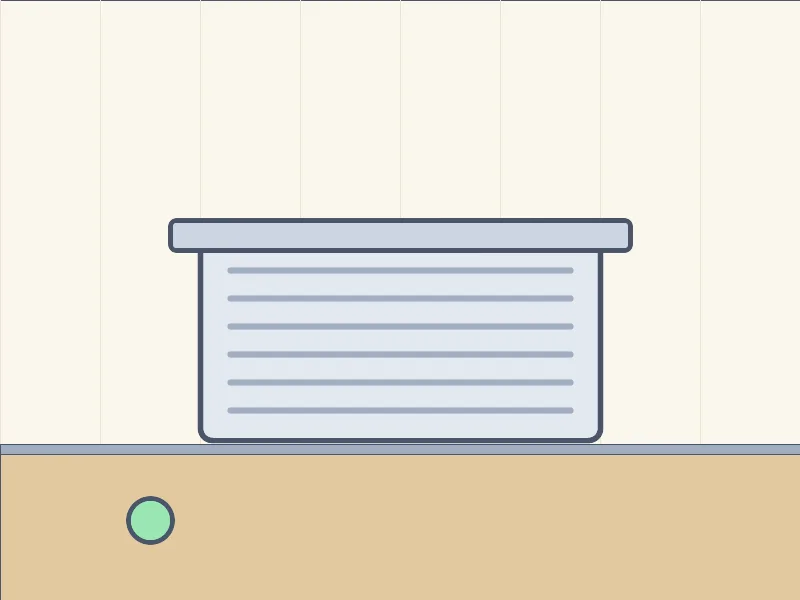
- Difficulty
- Easy to moderate
- Time
- 1 to 2 hours
- Tools
- Screwdriver, soft brush, vacuum, mild soap, rags, foam weatherstripping, AC cover, helper, gloves, towel
- Call a pro if
- The unit is very heavy, installed on an upper floor, in a hard to reach window, or you find mold or oil leaks you cannot clean.
In this guide
- Power off first
A window air conditioner left in all winter is a hole in your wall. You can take it out and store it, or leave it in and cover it well. Each works if you do it properly. Here is how to store a window air conditioner for winter.
1. Choose: remove or cover
Remove it if it is easy to lift, you have a helper, and you want the window back. Cover it in place if the unit is heavy, the window is high or a helper is not available. Covering is less work but leaves the unit exposed to weather.
2. If you cover it
Fit a cover made for window units on the outside, and an insulated cover or foam board on the inside. Seal the edges and the gap around the sides so cold air cannot leak in. Check the seal after the first very cold night.
3. If you remove it
Unplug it and let it dry. Take off the case and wash the filter in mild soap, rinse and dry. Brush loose dust from the coils with a soft brush, without bending the fins.
4. Drain and lift
Tilt the unit slightly to let any water run out. Remove the side panels and brackets, then lift it out with a helper and set it on a towel.
5. Seal the window
Clean the frame and close the window. Add weatherstripping or a foam board in the opening so the gap is sealed through the cold months.
6. Store it dry
Let the unit dry for a day, then wrap it in a breathable cover or its original box. Keep it upright, off the floor and away from damp, to avoid mold.
7. Check the cord and plug
Look for cuts in the cord and burn marks on the plug. Do not use a unit with damaged wiring when summer comes around.
Common mistakes
- Storing the unit while it is still damp.
- Leaving the opening unsealed behind the unit.
- Lifting it alone from an upper window.
- Using a plastic cover that traps moisture.
FAQ
Do I have to take it out?
No. A good cover and seal works if the unit is hard to move, though removal protects it better.
Should I drain the water?
Yes. Standing water causes mold and rust.
Can I store it outdoors?
Indoors in a dry place is better.
Related guides
- How to Winterize an Outdoor Faucet Before the First Freeze: Learn how to winterize an outdoor faucet: shut off the supply, drain the line, open the valve, fit an...
- How to Stop Air Leaks Around Windows: Learn how to stop air leaks around windows: find the drafts, caulk gaps, add weatherstripping, and cut your...
- How to Store a Garden Hose for Winter: Learn how to store a garden hose for winter: drain it fully, coil it loosely, hang it off the ground and...
- How to Store Patio Furniture for Winter: Learn how to store patio furniture for winter: clean each material, dry it, fix damage, and cover or stack it...
- Summer Home Prep Checklist: 12 Jobs Before the Heat: Use this summer home prep checklist to get ready for hot weather: check cooling, seal gaps, clean vents and...
 SeasonalHow to Winterize an Outdoor Faucet Before the First FreezeLearn how to winterize an outdoor faucet: shut off the supply, drain the line, open the valve, fit an insulated cover and check for leaks that could freeze.
 SeasonalHow to Stop Air Leaks Around WindowsLearn how to stop air leaks around windows: find the drafts, caulk gaps, add weatherstripping, and cut your energy bills.
 SeasonalHow to Store a Garden Hose for WinterLearn how to store a garden hose for winter: drain it fully, coil it loosely, hang it off the ground and protect it from frost and sun.
 SeasonalHow to Store Patio Furniture for WinterLearn how to store patio furniture for winter: clean each material, dry it, fix damage, and cover or stack it in a dry place so it lasts for years.
 SeasonalSummer Home Prep Checklist: 12 Jobs Before the HeatUse this summer home prep checklist to get ready for hot weather: check cooling, seal gaps, clean vents and gutters, test detectors, and tune up outdoor spaces.