
How to Store Firewood So It Stays Dry and Pest-Free
Part of: Outdoors and garage
- Difficulty
- Easy
- Time
- An hour or two for a full stack
- Tools
- A firewood rack or pallets, a tarp, and gloves for stacking
- Call a pro if
- You find termites or carpenter ants in a stack stored near the house, which needs pest treatment and a new storage spot.
In this guide
- Wear protection
Well-stored firewood burns hotter, lights easier and keeps pests out of your home. It comes down to air circulation, a dry top and distance from the house. Here is how to store firewood the right way.
1. Pick the right spot
1. Choose a spot at least 20 feet from the house.
2. Wood stacked against walls invites termites, ants and mice indoors.
3. Pick a level, well-drained area that gets some sun and breeze.
4. Convenience matters, but distance from the house matters more.
2. Raise it off the ground
1. Stack wood on a firewood rack, pallets or a pair of rails.
2. Ground contact soaks the bottom layer and rots it within a season.
3. Even a few inches of air underneath makes a big difference.
4. Concrete blocks with boards across them work fine as a base.
3. Stack for airflow
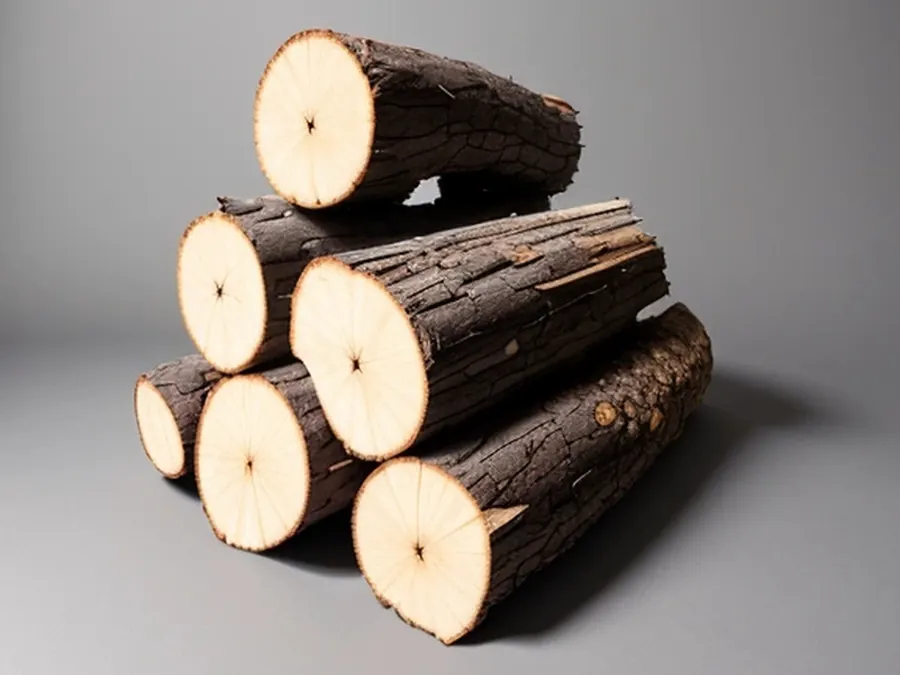
1. Stack split wood bark-side down, loosely, so air moves through.
2. Crisscross the end logs to hold the stack stable.
3. Keep the stack no more than four feet high so it stays put.
4. A tight, solid pile traps moisture and dries slowly.
4. Cover the top only
1. Cover the top of the stack with a tarp or metal sheet.
2. Leave the sides open so air can circulate and dry the wood.
3. Wrapping the whole stack traps moisture and grows mold.
4. Weight the cover so wind does not lift it.
5. Season before you burn
1. Fresh-cut wood needs six months to a year to dry, or season.
2. Seasoned wood looks gray, has cracks in the ends and sounds hollow when knocked.
3. Wet wood hisses, smokes and builds creosote in the chimney.
4. Stack this year's wood to burn next winter, not this one.
6. Bring in only what you need
1. Carry in a day or two of wood at a time.
2. Storing wood indoors invites the insects hiding in the bark.
3. Inspect pieces as you bring them in and leave infested ones outside.
4. Burn older, drier wood first and rotate the stack.
7. Keep the stack maintained
1. Restack any section that starts leaning before it falls.
2. Check the tarp after storms and re-secure it.
3. Clear weeds and debris around the base so air keeps moving.
4. A tidy stack dries faster and hides fewer pests.
Common mistakes
- Stacking wood against the house, which gives termites and carpenter ants a direct path indoors.
- Wrapping the whole pile in a tarp, which traps moisture and rots the wood.
- Stacking directly on the ground, so the bottom layer stays wet and molds.
- Burning unseasoned wood, which smokes, hisses and coats the chimney in creosote.
FAQ
How far from the house should firewood be stored?
At least 20 feet is the common advice. Woodpiles shelter termites, ants and rodents, and distance keeps them from migrating into your walls.
How long does firewood take to season?
Six months to a year for most hardwoods, split and stacked with airflow. Softwoods dry faster. Cracked ends and a hollow knock mean it is ready.
Should firewood be covered?
Cover the top only, with a tarp or metal sheet. The sides stay open so air circulates; wrapping the whole stack traps moisture and grows mold.
Can I store firewood in the garage?
Only a small indoor supply for a day or two of burning. A full stack in the garage brings pests indoors and keeps the wood from seasoning, since it needs sun and moving air to dry properly.
Related guides
- How to Store a Grill for Winter the Right Way: Learn how to store a grill for winter: deep clean the grates, protect the burners, disconnect the tank...
- How to Winterize a Pressure Washer Before Freezing Weather: Learn how to winterize a pressure washer: drain the water, run pump saver through, and store it so freezing...
- Printable Home Maintenance Checklist by Season: A free printable home maintenance checklist: tick-box jobs for each season, each linked to a step-by-step...
- How to Build a Wood Storage Rack Against a Fence: Learn how to build a wood storage rack against a fence: keep the stack off the ground, leave an air gap...
- How to Keep Birds From Nesting on Your Porch: Learn how to keep birds from nesting on your porch: remove nests legally, block ledges, and use humane...
 Garage and OutdoorsHow to Store a Grill for Winter the Right WayLearn how to store a grill for winter: deep clean the grates, protect the burners, disconnect the tank safely, and cover it until spring.
 Garage and OutdoorsHow to Winterize a Pressure Washer Before Freezing WeatherLearn how to winterize a pressure washer: drain the water, run pump saver through, and store it so freezing cannot crack the pump.
 SeasonalPrintable Home Maintenance Checklist by SeasonA free printable home maintenance checklist: tick-box jobs for each season, each linked to a step-by-step guide. Print it or use it on your phone.
 Garage and OutdoorsHow to Build a Wood Storage Rack Against a FenceLearn how to build a wood storage rack against a fence: keep the stack off the ground, leave an air gap behind it and cover only the top.
 Garage and OutdoorsHow to Keep Birds From Nesting on Your PorchLearn how to keep birds from nesting on your porch: remove nests legally, block ledges, and use humane deterrents that work.