
How to Clean a Mattress
Part of: Tools and everyday fixes · Also in: The Complete Guide to First Home Essentials and Basic Tools
- Difficulty
- Easy
- Time
- About an hour of work, plus a few hours for baking soda to sit
- Tools
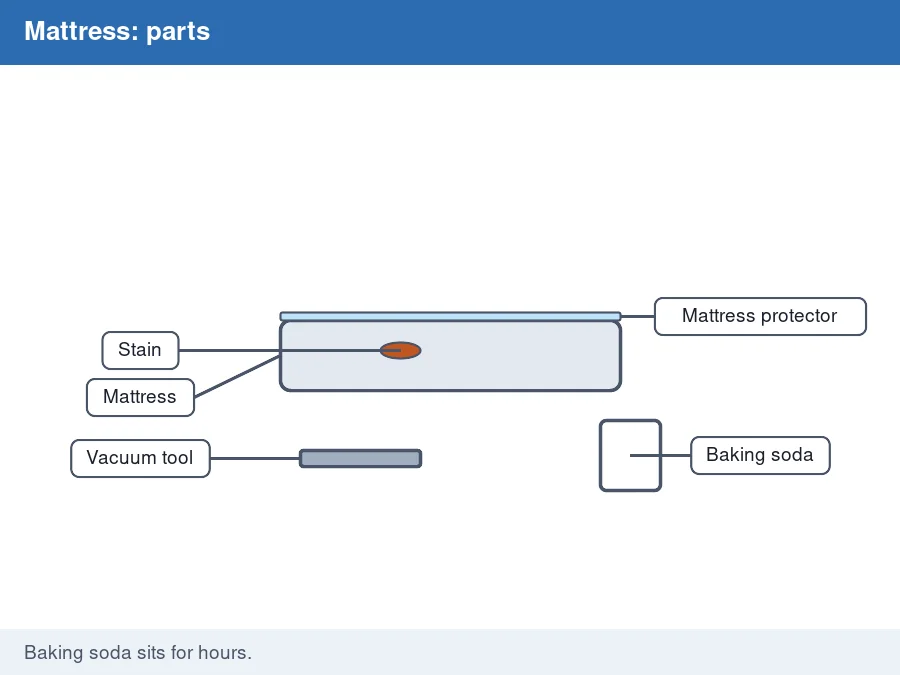
- A vacuum with an upholstery tool, baking soda, mild dish soap or enzyme cleaner, cloths and a fan
- Call a pro if
- The mattress has deep mold, a bed bug problem, or biohazard-level contamination, which all need specialist treatment or replacement.
In this guide
You spend a third of your life on your mattress, and it quietly collects sweat, skin cells, dust mites and spills. A deep clean a couple of times a year keeps it fresh and helps it last. Here is how to clean a mattress properly.
1. Strip the bed completely
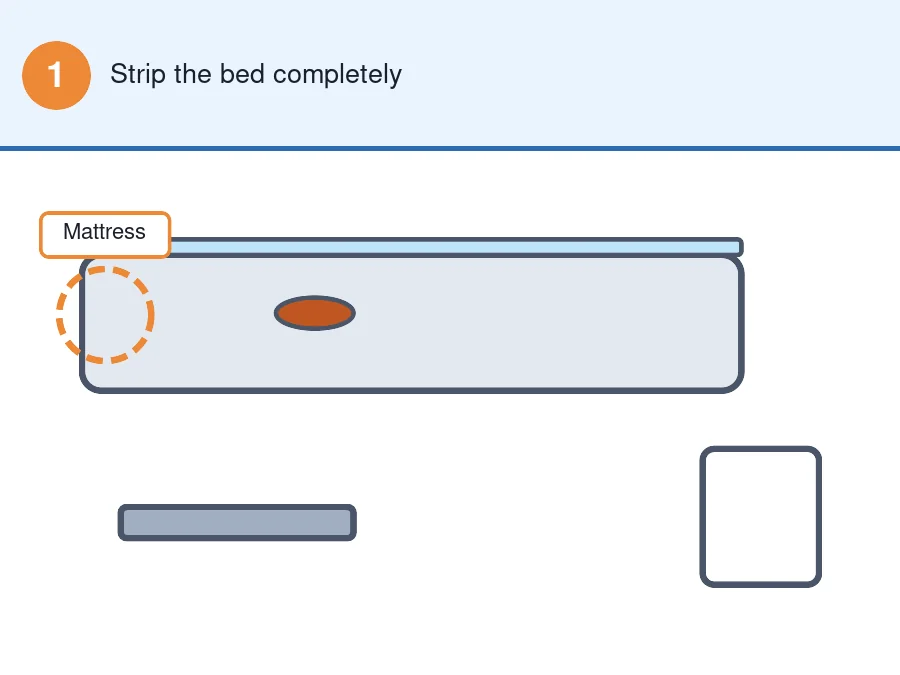
1. Remove all bedding, including the mattress protector.
2. Wash everything hot while you work.
3. Check the care tag on the mattress for warnings.
4. A bare mattress gives you full access to every inch.
2. Vacuum every surface
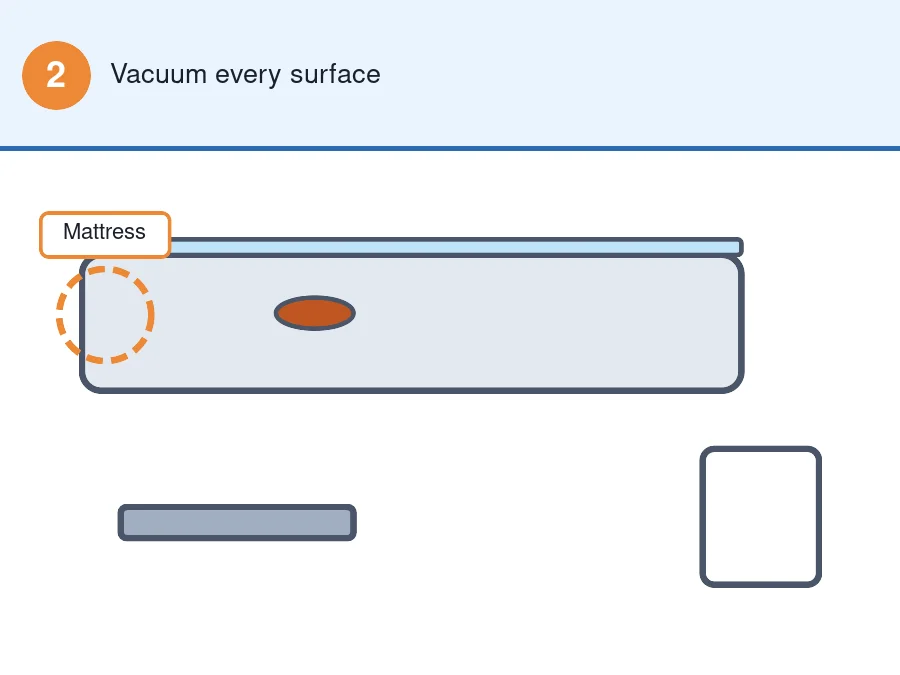
1. Vacuum the top with the upholstery tool in slow passes.
2. Use the crevice tool along seams, edges and tufting.
3. Do the sides and, if you can flip it, the bottom.
4. Vacuuming removes the dust and skin cells mites feed on.
3. Treat stains promptly
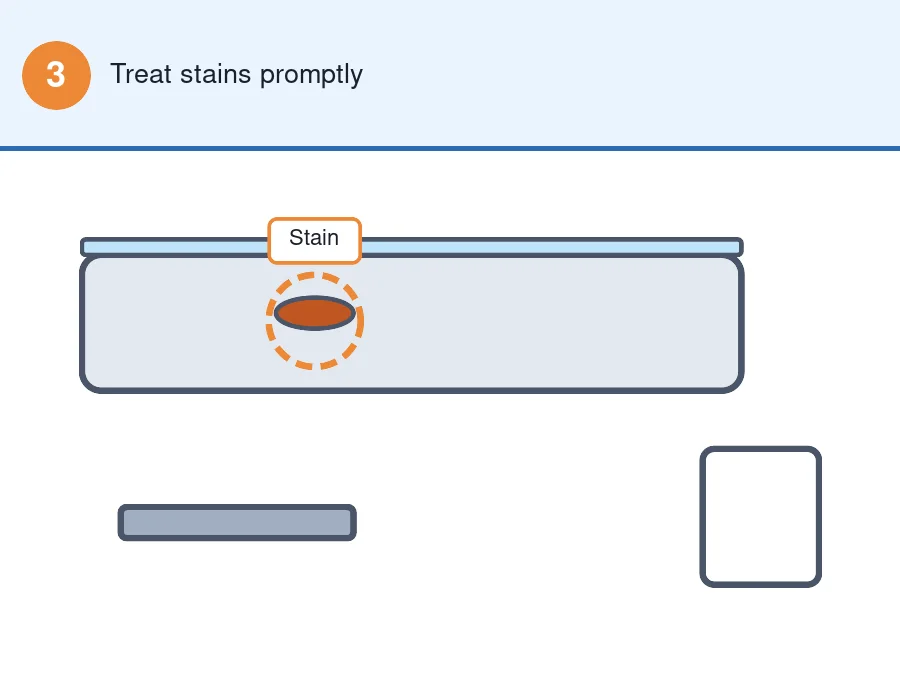
1. Blot stains with a cloth dampened in mild soapy water.
2. For sweat and urine, use an enzyme cleaner per the label.
3. Blot, never rub, and keep liquid to a minimum.
4. Work from the stain's edge toward the center.
4. Deodorize with baking soda
1. Sprinkle a generous layer of baking soda over the whole mattress.
2. Let it sit for several hours, or all day if you can.
3. Baking soda absorbs odors and lingering moisture.
4. Sunlight through an open window helps freshen further.
5. Vacuum again
1. Vacuum up all the baking soda slowly.
2. Go over seams and crevices where it settles.
3. Two passes beat one rushed pass.
4. The mattress should look and smell noticeably fresher.
6. Let it air out fully

1. Leave the mattress bare with airflow for a few hours.
2. Run a fan or open windows to speed drying.
3. Make sure any damp spots are completely dry.
4. Remaking the bed too soon traps moisture inside.
7. Protect it going forward
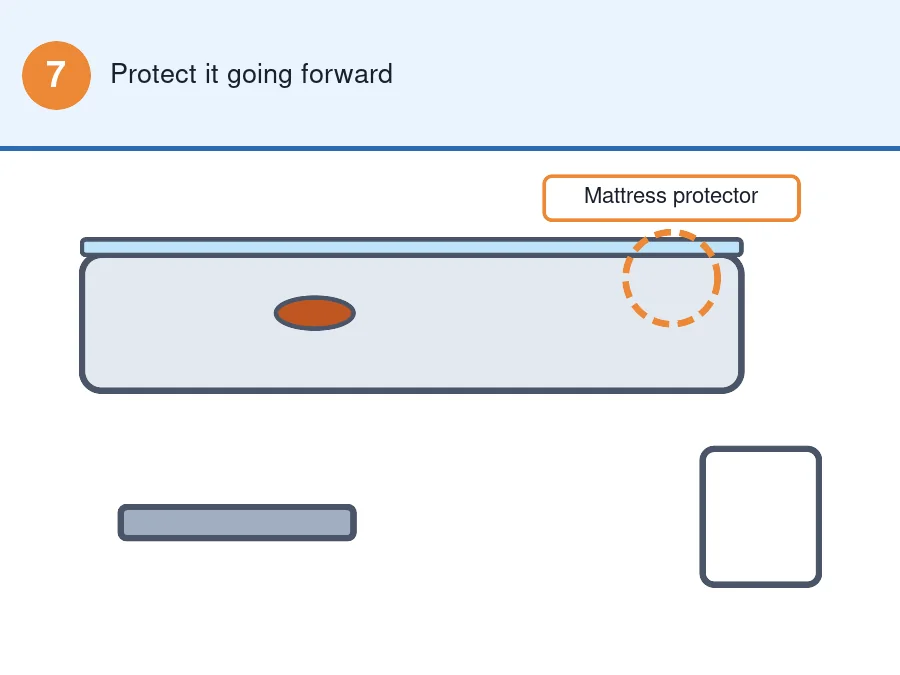
1. Fit a washable, waterproof mattress protector.
2. Wash the protector monthly with your sheets.
3. Rotate the mattress head to foot every few months.
4. A protector stops most stains before they reach the mattress.
8. Keep a routine
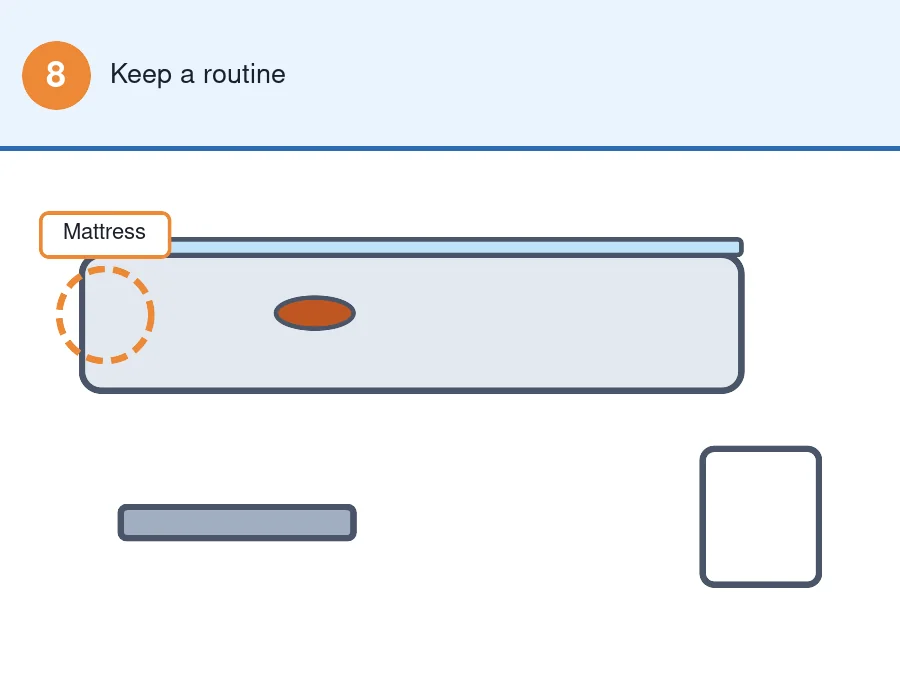
1. Deep clean every six months.
2. Vacuum the mattress when you change seasons.
3. Treat spills the day they happen.
4. Regular light care beats occasional heroic scrubbing.
Common mistakes
- Soaking stains, which pushes moisture deep where it breeds mold.
- Skipping the drying time and remaking the bed on a damp mattress.
- Using harsh chemicals like bleach that damage foam and fabric.
- Vacuuming without the crevice tool, leaving debris packed in the seams.
Related guides
- How to Clean Microfiber Furniture
- How to Move a Mattress Safely
- How to Clean an Area Rug
- How to Clean Wood Furniture
FAQ
How often should I clean my mattress?
Deep clean it every six months and vacuum it when you rotate it. Wash the protector and bedding far more often, since they catch most of what would otherwise soak in.
How do I get the smell out of a mattress?
A thick layer of baking soda left on for several hours absorbs most odors; vacuum it off thoroughly. For urine or sweat smells, an enzyme cleaner breaks down the source rather than masking it.
Can I use a steam cleaner on a mattress?
It is risky. Steam drives moisture deep into the mattress where it dries slowly and can grow mold. Stick with minimal liquid, baking soda and thorough airing instead.
Does a mattress protector really matter?
Yes. A waterproof protector blocks sweat, spills and allergens before they reach the mattress, turning a deep-clean problem into a simple monthly machine wash.
More from this topic
- How to Clean Microfiber Furniture: Learn how to clean microfiber furniture: read the care tag, use the right solvent, lift stains, and restore...
- How to Clean a Ceiling: Learn how to clean a ceiling: dust without drips, wash stains and grease safely, and handle textured and...
- How to Clean a Fireplace Mantel: Learn how to clean a fireplace mantel: remove soot, dust and grime from wood, stone or brick without damaging...
- How to Clean and Store a Paintbrush: How to clean and store a paintbrush so it lasts for years: rinse by paint type, wash the bristles, shape...
- How to Clean Mirrors Without Streaks: Learn how to clean mirrors without streaks: the right cloth, solution and technique for a spotless, lint-free...
 Tools and BasicsHow to Clean Microfiber FurnitureLearn how to clean microfiber furniture: read the care tag, use the right solvent, lift stains, and restore the soft nap.
 Tools and BasicsHow to Clean a CeilingLearn how to clean a ceiling: dust without drips, wash stains and grease safely, and handle textured and painted finishes.Tools and BasicsHow to Clean a Fireplace MantelLearn how to clean a fireplace mantel: remove soot, dust and grime from wood, stone or brick without damaging the surface.
 Tools and BasicsHow to Clean and Store a PaintbrushHow to clean and store a paintbrush so it lasts for years: rinse by paint type, wash the bristles, shape them, and hang it to dry.
 Tools and BasicsHow to Clean Mirrors Without StreaksLearn how to clean mirrors without streaks: the right cloth, solution and technique for a spotless, lint-free shine.