
How to Clean Garage Door Panels Without Damaging the Finish
Part of: Outdoors and garage
- Difficulty
- Easy
- Time
- About 30 minutes
- Tools
- A bucket, mild dish soap, a soft brush or sponge, a garden hose and a step ladder
- Call a pro if
- You spot rust through to the metal, delaminating panels or damaged sections, which need repair or replacement rather than cleaning.
In this guide
- Power off first
- Ladder safety
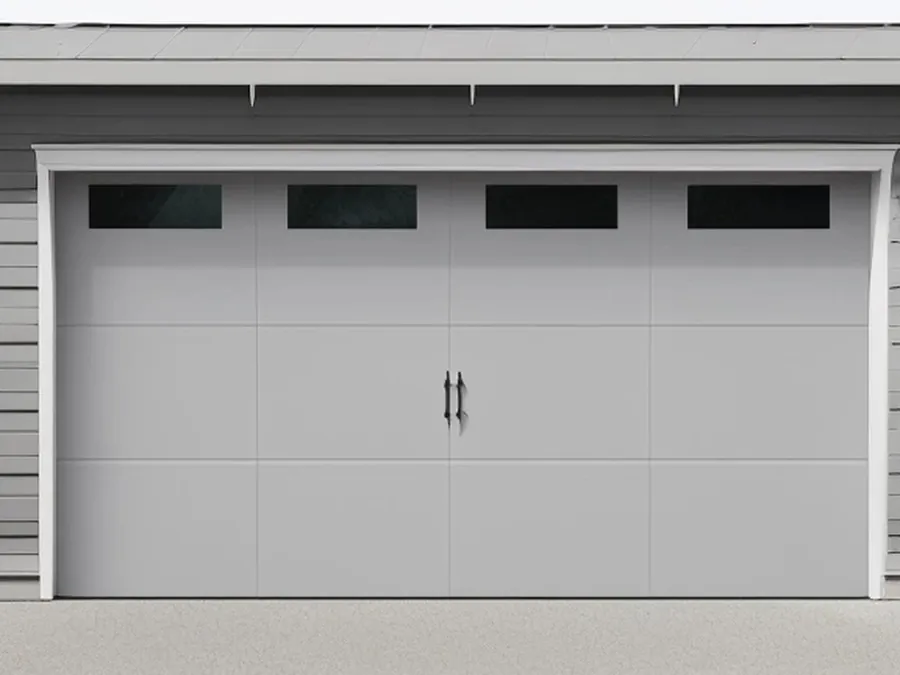
A garage door is a huge share of what people see from the street, and it collects road film, pollen and cobwebs all year. A gentle wash once or twice a year protects the finish and keeps the whole front of the house looking cared for. Here is how to clean garage door panels the safe way.
1. Prep the door
1. Close the door fully and unplug the opener.
2. Brush off loose dirt, cobwebs and leaves with a dry brush.
3. Cover the opener rail, sensors and any nearby outlets.
4. Move cars and anything stored near the door out of splash range.
2. Wash with mild soap
1. Mix warm water with a small squirt of mild dish soap in a bucket.
2. Wash with a soft brush or sponge, starting at the top panel.
3. Work down panel by panel so dirty water does not streak clean sections.
4. Skip abrasive pads and strong cleaners; they dull the finish.
3. Mind the material
1. Painted steel handles soap and water well.
2. Wood doors want a gentle wash and quick rinse to avoid soaking the grain.
3. Vinyl and fiberglass clean easily but scratch with stiff brushes.
4. Check the manufacturer's guidance if the door has a specialty finish.
4. Rinse gently
1. Rinse with a garden hose on a gentle spray, top to bottom.
2. Never pressure wash a garage door; the jet forces water into seams and strips the finish.
3. Rinse the panel seams and the bottom edge, where grime hides.
4. Keep the spray out of the door's moving hardware and sensors.
5. Dry and inspect
1. Wipe the panels dry with clean towels to prevent water spots.
2. While drying, look for rust spots, chipped paint and dented panels.
3. Check the weatherstripping along the bottom for cracks and gaps.
4. Small touch-ups now prevent rust and bigger repairs later.
6. Protect the finish
1. A coat of car wax on painted steel adds protection and shine.
2. Wax the panels once a year after washing, skipping the hardware.
3. Wood doors may need fresh caulk or paint when the finish looks tired.
4. Touch up chips promptly so rust never gets a foothold.
7. Finish with the hardware
1. Wipe the tracks clean of grit with a dry cloth; do not grease them.
2. Lubricate the rollers, hinges and springs with garage door lubricant.
3. Reconnect the opener and run the door once to spread the lubricant.
4. A clean, lubed door runs quieter and lasts longer.
Common mistakes
- Pressure washing the door, which strips the finish and drives water into the panel seams.
- Scrubbing with abrasive pads, which scratches paint and invites rust.
- Washing but skipping the rinse, so soap film dulls the finish as it dries.
- Cleaning the panels and ignoring the weatherstripping and tracks, where wear actually shows up first.
Related guides
- How to Clean a Garage Door Track
- How to Insulate a Garage Door With a DIY Kit and Cut Drafts
- How to Hang Bikes in a Garage Without Damaging Them
- How to Clean a Garage Floor From Top to Bottom
- How to Clean a Patio Umbrella Without Damaging It
FAQ
Can I pressure wash my garage door?
No. The high pressure strips paint, dents panels and forces water into seams and hardware. A hose, mild soap and a soft brush do the job safely.
How often should I wash my garage door?
Once or twice a year is enough for most homes. Wash more often if you are near a dusty road, the coast or heavy pollen.
How do I remove rust spots from a garage door?
Sand the spot lightly, apply a rust converter if needed, prime and touch up with matching paint. Small spots are a quick fix; widespread rust may mean a panel needs replacing.
Should I wax my garage door?
Painted steel doors benefit from a yearly coat of car wax after washing. It protects the finish and makes the next wash easier. Skip wood and specialty finishes unless the manufacturer approves.
More from this topic
- How to Clean a Garage Door Track: Learn how to clean a garage door track: clear grit, wipe the rails, lubricate right, and stop...
- How to Clean a Deck Without Damaging the Wood: Learn how to clean a deck without damaging the wood: pick the right cleaner, scrub with the grain, rinse at...
- How to Clean a Lampshade Without Ruining It: Learn how to clean a lampshade: dust it weekly, spot-clean stains gently, and hand-wash washable fabric...
- How to Clean House Siding Without Damaging It: Learn how to clean house siding: match the method to vinyl, wood or fiber cement, wash from the bottom up,...
- How to Clean Moss Off a Roof Without Damaging It: Learn how to clean moss off a roof safely: remove it without a pressure washer, treat the shingles, clear the...
 Garage and OutdoorsHow to Clean a Garage Door TrackLearn how to clean a garage door track: clear grit, wipe the rails, lubricate right, and stop sticking.
 Garage and OutdoorsHow to Clean a Deck Without Damaging the WoodLearn how to clean a deck without damaging the wood: pick the right cleaner, scrub with the grain, rinse at low pressure and let it dry before sealing.
 Garage and OutdoorsHow to Clean a Lampshade Without Ruining ItLearn how to clean a lampshade: dust it weekly, spot-clean stains gently, and hand-wash washable fabric shades the safe way.
 Garage and OutdoorsHow to Clean House Siding Without Damaging ItLearn how to clean house siding: match the method to vinyl, wood or fiber cement, wash from the bottom up, kill mildew properly and keep water out of the walls.
 Garage and OutdoorsHow to Clean Moss Off a Roof Without Damaging ItLearn how to clean moss off a roof safely: remove it without a pressure washer, treat the shingles, clear the gutters and stop it coming back with maintenance.