
How to Insulate a Garage Door With a DIY Kit and Cut Drafts
Part of: Outdoors and garage
- Difficulty
- Easy to moderate
- Time
- 1 to 3 hours
- Tools
- Garage door insulation kit, utility knife, tape measure, gloves, dust mask, safety glasses, step ladder, clips or adhesive tape, scissors
- Call a pro if
- The door is heavy, wood, or hard to balance, a spring or cable looks worn, you must adjust or remove springs, or the opener is struggling.
In this guide
- Power off first
- Wear protection
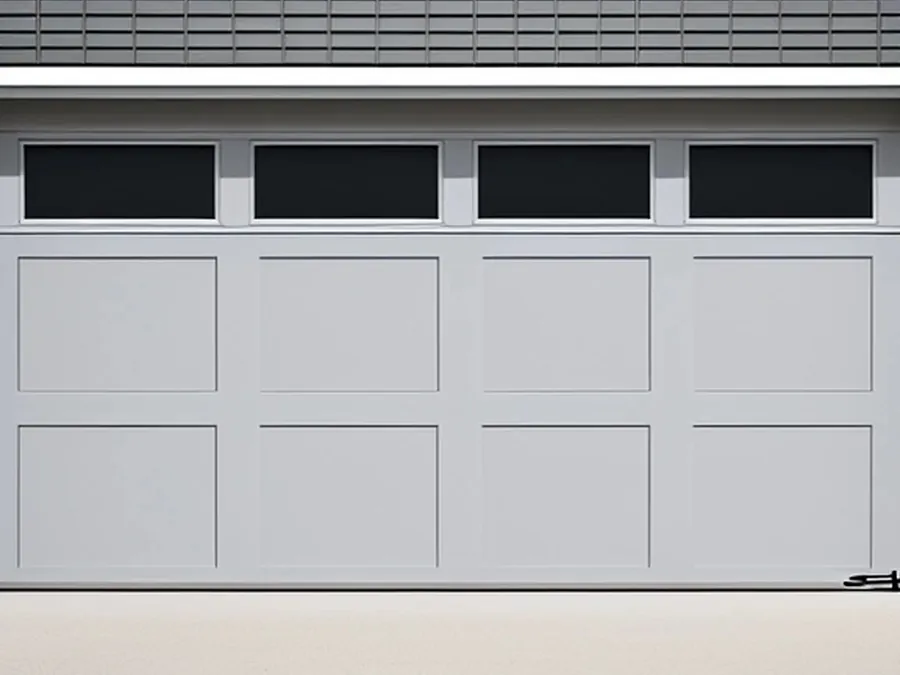
A garage door is a big, thin surface. In a garage that is attached or heated, it can be a major source of cold or heat. Insulation helps and also quiets the door. How to insulate a garage door starts with whether the door is a good candidate, since single layer steel or wood panels with recessed sections take a kit and other doors do not.
Is the door a good candidate?
Look at your door.
- Single layer steel or wood panels with recessed sections are good candidates for a kit.
- Doors that are already insulated (a foam core or sandwich construction) do not need it.
- Doors with windows need cutouts.
If the door is heavy or hard to balance, ask a pro.
Choose the kit
Kits come with foam panels, batts, or reflective material. Pick one made for your door type and thickness. Look for materials that are rated for garages and do not shed fibers.
Check the balance first
Open the door halfway by hand with the opener disconnected. It should stay put. If it drifts up or down, the springs need adjustment by a pro. Insulation adds weight, so a door that is already out of balance will get worse.
Step by step
1. Unplug the opener. Pull the release cord so the door moves by hand.
2. Clean the panels. Wipe the inner surface with a damp cloth and let it dry. The adhesive or clips need a clean surface.
3. Measure each panel. Measure width and height at several spots. They can differ.
4. Cut the insulation. Mark and cut with a sharp utility knife, slightly larger than the opening for a snug fit.
5. Fit the panels. Press them into the recessed sections, or use the clips or tape in the kit.
6. Work in order. Start with the bottom panel and move up so you do not stress the door.
7. Keep clear of hardware. Do not cover springs, hinges, tracks, or cables.
8. Test the door by hand. It should still stay in place at the halfway point.
9. Reconnect the opener and test it.
Seal the edges
A drafty door leaks around the sides and bottom too. Replace worn bottom seals and check the weatherstripping on the sides and top. See garage door wont close all the way and how to fix garage door sensor alignment if the door acts up. For noise, see how to stop a noisy garage door.
Other garage savings
- Insulate the wall between the garage and the house.
- Seal the door from the garage into the house with weatherstripping. See how to weatherstrip an exterior door.
- Add a threshold seal under the main door. See how to fix a gap under an exterior door.
Safety with cars and fumes
Do not run an engine in a closed garage. If you attach the garage to the house, install a carbon monoxide detector near the door to the house. See how to place smoke and carbon monoxide detectors.
FAQ
Will insulation make the door too heavy?
Most kits are light, but test the balance after you install.
Does it help in summer?
It reduces heat gain, especially on a sunny side.
Can I insulate a door with windows?
Yes, but cut around the glass.
Do I need to insulate every panel?
For best results, yes.
Related guides
- How to Insulate a Garage for Year-Round Comfort: Learn how to insulate a garage: seal air leaks first, insulate walls and the ceiling, fit the garage door,...
- How to Test Garage Door Balance in a Few Minutes: Learn how to test garage door balance safely: disconnect the opener, lift the door by hand, read what it...
- How to Seal a Garage Door: Gaps, Drafts, Water and Pests: How to seal a garage door: find the gaps, fit a bottom seal and side weatherstripping, seal the frame, and...
- How to Weatherstrip an Exterior Door and Stop Drafts: Learn how to weatherstrip an exterior door: test for leaks, pick the right seal and install it along the...
- How to Lubricate a Garage Door the Right Way: Learn how to lubricate a garage door: which parts need grease, which to skip, and how a 15-minute lube job...
 Garage and OutdoorsHow to Insulate a Garage for Year-Round ComfortLearn how to insulate a garage: seal air leaks first, insulate walls and the ceiling, fit the garage door, and ventilate so moisture stays out.
 Garage and OutdoorsHow to Test Garage Door Balance in a Few MinutesLearn how to test garage door balance safely: disconnect the opener, lift the door by hand, read what it tells you and know when to call a technician.
 SafetyHow to Seal a Garage Door: Gaps, Drafts, Water and PestsHow to seal a garage door: find the gaps, fit a bottom seal and side weatherstripping, seal the frame, and check it still closes safely.
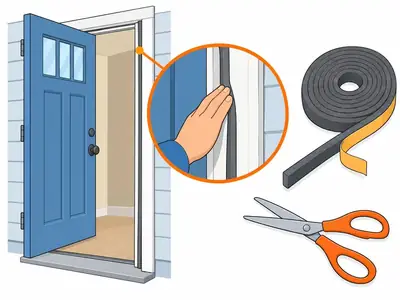 Doors and WindowsHow to Weatherstrip an Exterior Door and Stop DraftsLearn how to weatherstrip an exterior door: test for leaks, pick the right seal and install it along the sides and top so the door closes snug without sticking.
 Garage and OutdoorsHow to Lubricate a Garage Door the Right WayLearn how to lubricate a garage door: which parts need grease, which to skip, and how a 15-minute lube job quiets a noisy door.