
How to Test Garage Door Balance in a Few Minutes
Part of: Outdoors and garage
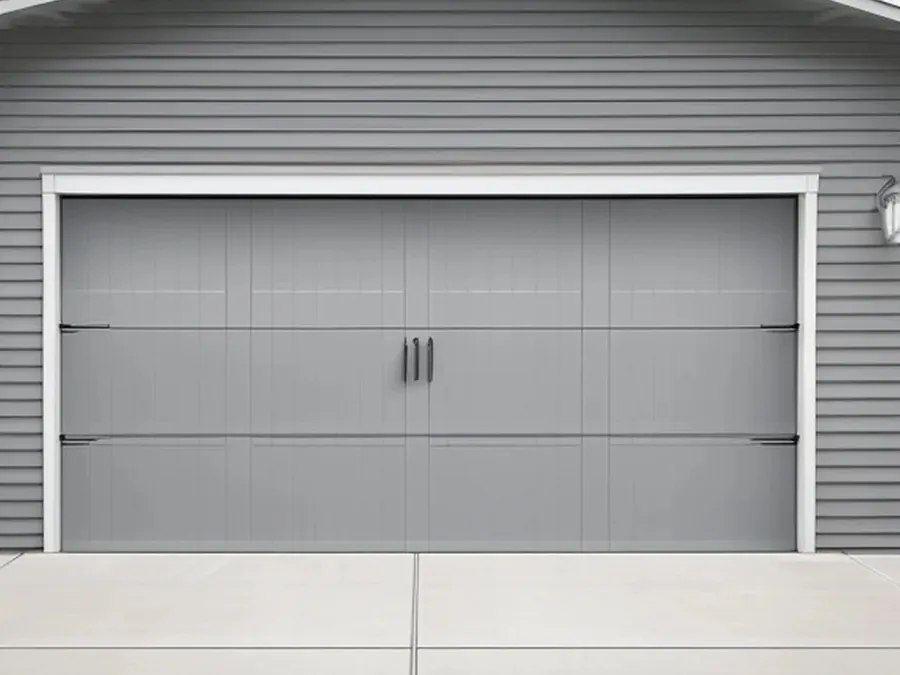
- Difficulty
- Easy
- Time
- 10 to 15 minutes
- Tools
- Gloves, a step ladder, a flashlight
- Call a pro if
- The door drops or shoots up during the test, a spring looks stretched or broken, or a cable is frayed or loose, since spring and cable work is dangerous and needs a technician.
In this guide
The springs, not the opener, carry the weight of a garage door. When they weaken, the opener strains, wears out early and can fail its safety tests. A balance test tells you how the springs are doing. Here is how to test garage door balance the safe way.
1. Start with the door closed
1. Close the door fully with the opener.
2. Watch it on the way down. It should move smoothly, without jerking or shaking.
3. Listen for scraping, popping or grinding. Note anything you hear for later.
2. Look at the hardware first
1. With the door closed, look along the tracks on both sides. They should be straight and even.
2. Check the rollers. They should sit inside the tracks, not ride the edges.
3. Look at the cables on both sides. They should be taut, intact and wrapped neatly on their drums.
4. Look at the springs above the door or along the tracks. Look for gaps in the coils, rust or a stretched shape.
5. If a spring is broken or a cable is frayed, stop here and call a technician. Do not run the test.
3. Disconnect the opener
1. Find the red release cord hanging from the opener's trolley.
2. Pull it down and toward the door until it clicks. The door is now disconnected from the opener.
3. Keep the cord out of the way so it does not catch on the door.
4. Lift the door by hand
1. Grip the bottom edge of the door with both hands, fingers clear of the joints.
2. Lift it smoothly to about waist height, roughly three feet off the floor.
3. Let go carefully, keeping your hands near the door.
5. Read the result
- Stays in place: the springs are balanced. The door should hang where you left it, or drift only slightly.
- Slides down: the springs have lost tension. The opener is working too hard.
- Shoots upward: the springs are too tight or the wrong springs are installed.
- Crooked as it lifts: one side is weaker than the other, or a cable has a problem.
6. Test the full travel
1. Lift the door all the way open by hand. It should move smoothly and stay open on its own.
2. Pull it back down slowly. It should move with steady, even resistance.
3. If it slams down or you struggle to move it, the springs need attention.
7. Reconnect the opener
1. Pull the release cord toward the opener to reset it, or run the opener so the trolley re-engages.
2. The exact method varies, so check your manual.
3. Run the door once with the opener and listen again.
8. Test the safety reverse while you are there
- Lay a board flat on the floor under the door and close it. The door should touch the board and reverse.
- Wave a broom under the door as it closes. The photo eyes should stop and reverse it.
- If either test fails, stop using the opener until it is repaired. Our guide on a garage door that will not close all the way covers the sensor and limit checks.
Common mistakes
- Trying to adjust or wind a spring yourself. This is the most dangerous repair on a garage door.
- Pulling the release cord while the door is open, which can let a badly balanced door crash down.
- Testing with fingers between the panels.
- Ignoring a slow drift downward because the door still works.
- Lubricating the tracks instead of the rollers and hinges.
Related guides
- How to Test Garage Door Auto-Reverse in Minutes
- How to Install a Garage Door Opener
- How to Open a Garage Door Manually When the Power Is Out
- How to Install a Garage Door Keypad Outside the Door
- How to Program a Garage Door Opener Remote
- How to Fix Garage Door Sensor Alignment
FAQ
How often should I test garage door balance?
Twice a year is a good habit, and any time the opener starts to sound strained or the door feels heavy.
Can I adjust the springs myself?
No. Springs store enough energy to cause severe injury. A technician has the tools and training to tension them safely.
The door is balanced but the opener still struggles. Why?
The opener's force or travel limits may be off, or the rollers and tracks may need cleaning and lubrication. Our guide on a noisy garage door covers those fixes.
Is a slight drift down a real problem?
Yes. It means the springs are weakening. It is cheaper to service them early than to replace a burned out opener later.
More from this topic
- How to Test Garage Door Auto-Reverse in Minutes: Learn how to test garage door auto-reverse: run the sensor test and the pressure test monthly so the door...
- How to Insulate a Garage Door With a DIY Kit and Cut Drafts: Learn how to insulate a garage door with a kit: check the door type, clean the panels, fit insulation, add a...
- Painting Vinyl Siding: A Step-by-Step Guide: Painting vinyl siding works if you clean it, stay no darker than the original color, and use the right...
- How to Clean a Garage Door Track: Learn how to clean a garage door track: clear grit, wipe the rails, lubricate right, and stop...
- How to Clean Garage Door Panels Without Damaging the Finish: Learn how to clean garage door panels: wash with mild soap, rinse gently, protect the finish, and spot...
 Garage and OutdoorsHow to Test Garage Door Auto-Reverse in MinutesLearn how to test garage door auto-reverse: run the sensor test and the pressure test monthly so the door reverses before it can hurt anyone.
 Garage and OutdoorsHow to Insulate a Garage Door With a DIY Kit and Cut DraftsLearn how to insulate a garage door with a kit: check the door type, clean the panels, fit insulation, add a bottom seal, and test the door for balance.
 Garage and OutdoorsPainting Vinyl Siding: A Step-by-Step GuidePainting vinyl siding works if you clean it, stay no darker than the original color, and use the right acrylic paint. Full steps here.
 Garage and OutdoorsHow to Clean a Garage Door TrackLearn how to clean a garage door track: clear grit, wipe the rails, lubricate right, and stop sticking.
 Garage and OutdoorsHow to Clean Garage Door Panels Without Damaging the FinishLearn how to clean garage door panels: wash with mild soap, rinse gently, protect the finish, and spot problems while you clean.