
Noisy Garage Door: What Each Sound Means and What to Do
Part of: Outdoors and garage
- Difficulty
- Easy to moderate
- Time
- 30 to 60 minutes
- Tools
- Step ladder, socket set, garage door lubricant, rag, level
- Call a pro if
- You see a frayed cable, a gap in a spring, a bent track or the door is crooked or heavy to lift.
In this guide
A noisy garage door is more than a nuisance. It is telling you something. A new rattle or scream usually means a part needs lube or a bolt needs tightening, and a heavy grinding can mean a part is failing.
This guide is part of our wider guide to garage, decks, fences and yard care.
Match the sound to the cause
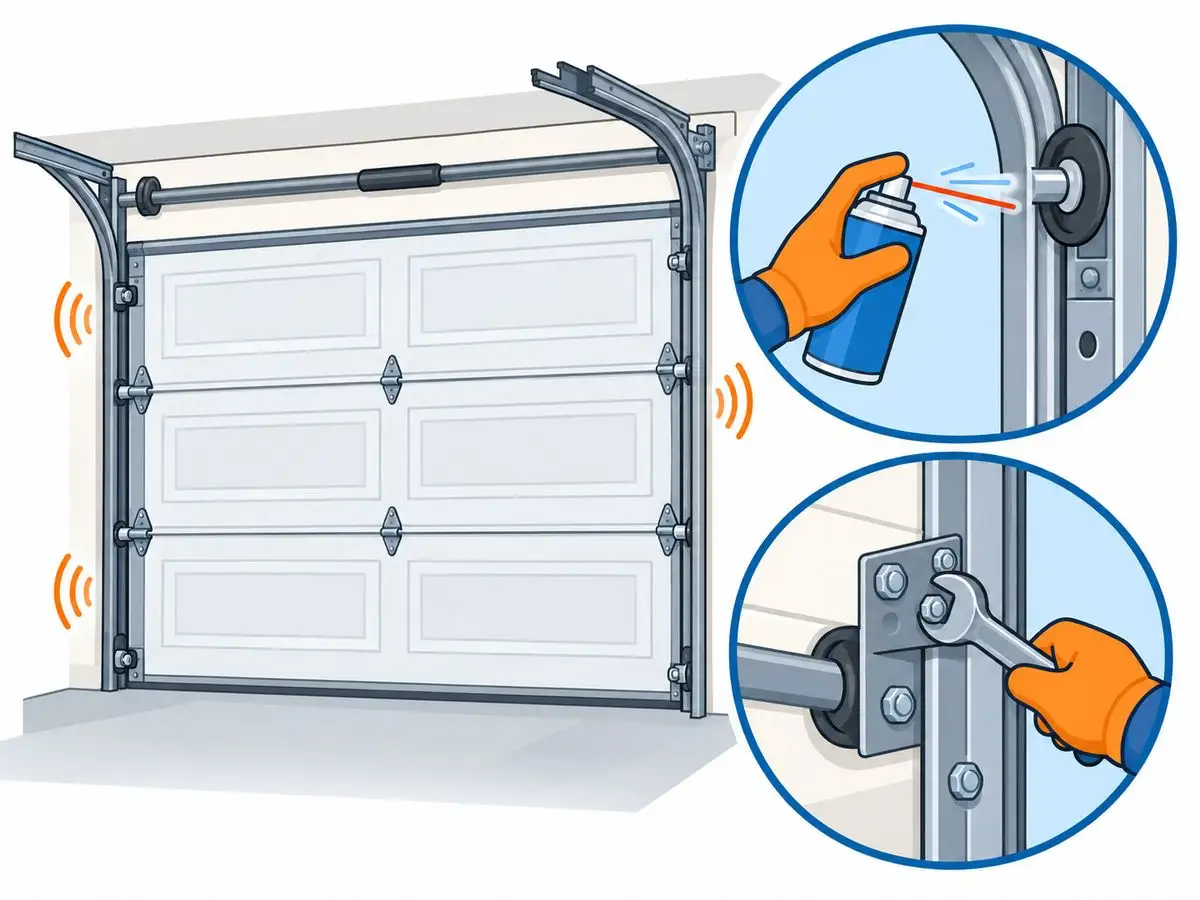
- Squeaking or screeching: hinges, rollers and the spring need lubricant.
- Rattling or clanking: loose bolts, or the opener bracket is loose.
- Grinding or scraping: dirty or dented tracks, or a worn roller.
- Popping or banging: the spring, or the door is out of balance.
- Humming without moving: a problem inside the opener motor.
Lubricate the right parts
Use a lubricant labeled for garage doors, such as white lithium grease or silicone spray. Spray the hinges, the roller stems and the springs lightly. Do not spray the track channel. Wipe up the drips so they do not collect dust. Do not use thick grease on nylon rollers unless the maker says so.
Tighten hardware
Door movement shakes bolts loose. With the door closed, use a socket wrench to snug the bolts on the hinges, brackets and track supports. Do not touch the bottom bracket or the cable bolt. Also tighten the bolts that hold the opener to the ceiling.
Clean the tracks
Wipe the track with a rag and a little household cleaner. Do not oil it. If the track is dented, it may need to be replaced by a pro.
Check the rollers
Look at the rollers while the door is closed. Steel rollers with worn bearings are loud. Nylon rollers are quieter. Replace the rollers on the sides of the door if they wobble. Do not touch the bottom rollers because they are attached to the high-tension bracket.
Check the opener
A chain drive is louder than a belt drive. If the chain is loose, check the manual for how to tighten it. Mounting rubber pads between the opener and the ceiling can lower the vibration.
Test the balance
Disconnect the opener. Lift the door by hand to about waist height. It should stay. If it falls or flies up, call a pro for the spring.
Keep it quiet
Lubricate twice a year. Tighten hardware at the same time.
When noise is a warning
A door that is louder than it used to be, with no change in how it is lubricated, deserves a closer look from the floor. Check that the door still rises evenly on both sides. If one side lags, or the cables look uneven, stop using the opener and call a technician. An uneven door can twist in the tracks. Do not try to fix it by pulling on the door.
Reduce vibration through the house
If the garage is attached, the opener motor can send a hum through the wall, and it is especially noticeable if a bedroom sits above it. Rubber isolation pads or vibration-damping mounts between the opener and the ceiling bracket can reduce that. Check that the opener bracket is screwed into a joist, not just the drywall. Also check the weatherstripping at the bottom of the door. A loose seal can flap with the movement and add a scraping noise. Replace a torn strip with one that matches the groove.
Related guides
- How to Fix a Sticking Garage Side Door
- How to Seal a Garage Door: Gaps, Drafts, Water and Pests
- How to Insulate a Garage Door With a DIY Kit and Cut Drafts
- How to Remove Oil Stains From a Garage Floor (Concrete)
- How to Install a Garage Door Bottom Seal
- How to Clean a Garage Door Track
FAQ
Is it okay to use WD-40?
It is not a good long-term lubricant. Use a garage door product.
Why is my door loud only in winter?
Cold stiffens lube and parts. Re-lubricate.
Should I replace a loud opener?
If it is old and chain-driven, a belt drive is quieter.
More from this topic
- How to Lubricate a Garage Door the Right Way: Learn how to lubricate a garage door: which parts need grease, which to skip, and how a 15-minute lube job...
- How to Fix a Sticking Garage Side Door: Learn how to fix a sticking garage side door. Find the rub points, tighten hinges, adjust the strike plate,...
- How to Open a Garage Door Manually When the Power Is Out: Learn how to open a garage door manually: pull the release cord, lift safely, and re-engage the opener when...
- How to Program a Garage Door Opener Remote: Learn how to program a garage door opener remote: find the learn button, pair the remote in under a minute,...
- How to Test Garage Door Auto-Reverse in Minutes: Learn how to test garage door auto-reverse: run the sensor test and the pressure test monthly so the door...
 Garage and OutdoorsHow to Lubricate a Garage Door the Right WayLearn how to lubricate a garage door: which parts need grease, which to skip, and how a 15-minute lube job quiets a noisy door.
 Garage and OutdoorsHow to Fix a Sticking Garage Side DoorLearn how to fix a sticking garage side door. Find the rub points, tighten hinges, adjust the strike plate, trim the edge and seal the wood to stop sticking.
 Garage and OutdoorsHow to Open a Garage Door Manually When the Power Is OutLearn how to open a garage door manually: pull the release cord, lift safely, and re-engage the opener when the power comes back on.
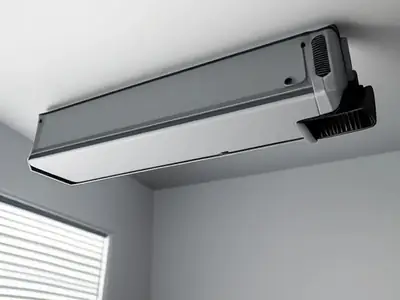 Garage and OutdoorsHow to Program a Garage Door Opener RemoteLearn how to program a garage door opener remote: find the learn button, pair the remote in under a minute, add a keypad code and fix pairing problems.
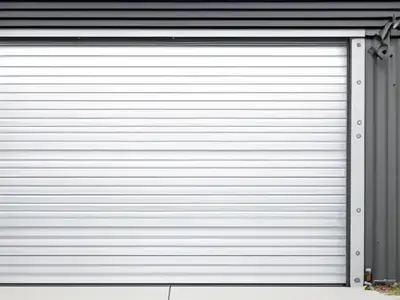 Garage and OutdoorsHow to Test Garage Door Auto-Reverse in MinutesLearn how to test garage door auto-reverse: run the sensor test and the pressure test monthly so the door reverses before it can hurt anyone.