
How to Fix a Sticking Garage Side Door
Part of: Outdoors and garage
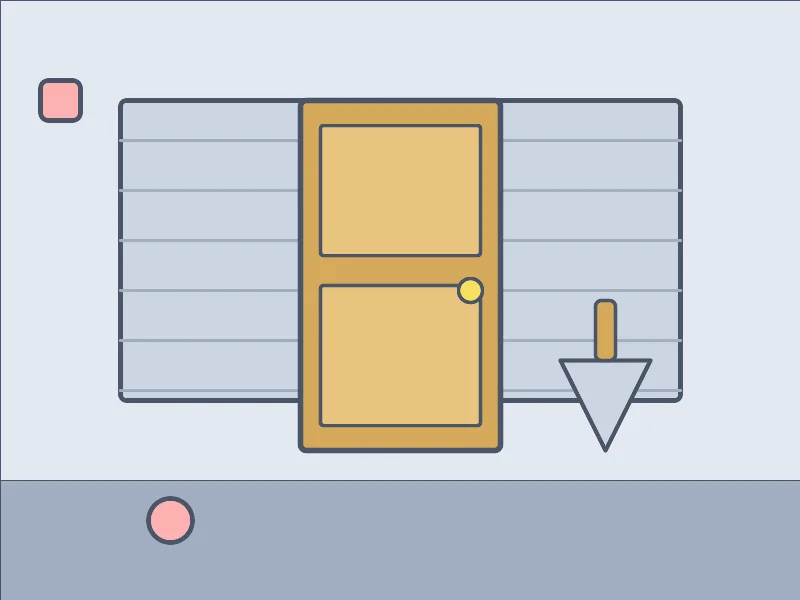
- Difficulty
- Easy to medium
- Time
- 30 minutes to 2 hours
- Tools
- Screwdriver or drill, pencil, wood shims, sandpaper or a hand plane, chisel, wood filler, paint or sealer, lubricant, level
- Call a pro if
- the frame is out of square, rotted, or the door has shifted by more than a small amount
In this guide
- Ladder safety
- Wear protection
A garage side door often sticks because of humidity, loose hinges or a house that has shifted. A sticking garage side door can be hard to open in summer and loose in winter. In most cases the fix is simple. This guide shows how to find where the door rubs and how to fix it without replacing the door.
This guide is part of our wider guide to garage, decks, fences and yard care.
Find the rub points
1. Open and close the door a few times and watch where it touches the frame.
2. Look for shiny or worn spots on the door edge or the frame, or paint that has rubbed off.
3. Slip a piece of paper between the door and the frame, and slide it around. It should move freely. Where it sticks, the door rubs.
4. Check the gap. A gap of about 1/8 inch on the sides and top is normal. The gap should be even.
Tighten the hinges
Loose hinges let the door sag and drag.
1. Open the door and check each hinge screw.
2. Tighten the screws. If a screw spins without tightening, the hole is stripped.
3. Fix a stripped hole. Remove the screw, pack the hole with glue-coated toothpicks or a small dowel, then let the glue set. Trim the extra, then drive the screw back in. Or use a longer screw, which grips the frame stud.
4. Check the door. Test whether it moves freely.
Adjust the strike plate and latch
If the latch will not catch, the strike plate may be out of line.
1. Close the door and mark where the latch meets the strike plate with chalk or a pencil.
2. Unscrew the strike plate and move it up, down or sideways.
3. File the opening a little if the latch needs more room.
4. Reattach and test.
Shim a sagging door
When the upper latch corner scrapes, a hinge shim can raise it. Place a thin cardboard shim behind the bottom hinge, to push the door up on that side. Put a shim behind the top hinge to pull the door the other way. Small changes make a big difference.
Trim a swollen door
Humidity makes wood swell. If the door sticks only in damp weather, trimming a small amount may help.
1. Mark the rub point with a pencil.
2. Remove the door by taking out the hinge pins. Support its weight and ask for help.
3. Sand or plane the marked edge, a little at a time.
4. Check the fit after each pass.
5. Seal the bare wood with primer and paint or sealer. Seal the top and bottom edges too. This stops moisture from getting in.
6. Rehang the door.
Signs that point to each cause
If the door scrapes the frame at the upper latch corner, it is sagging. A door that sticks in humid weather is swollen. A door with an uneven gap, wide at the top and tight at the bottom, may be out of square. A frame with cracks in the corners suggests the building has settled. A door that rubs only at the bottom may be hitting the threshold or a worn weatherstrip. See How to stop a door from slamming or banging for related problems.
Lubricate and finish
Put a little lubricant on the hinge pins and the latch. Wipe off extra. Add weatherstripping if gaps let in drafts. Keep the paint or finish in good condition.
Prevention
Seal all six edges of a wood door. Keep gutters clear so water stays away from the wall. Check the hinges each year. Fix small problems before they grow. See How to fix a drawer that is stuck or off its track for a similar wood swelling fix.
Weatherstripping and the threshold
Gaps at the bottom and sides let in water and drafts, and a worn door sweep can drag on the threshold. Replace brittle or flattened weatherstripping with new strips cut to length. Press them in so the door compresses them lightly, but does not struggle to close. Check the threshold for loose screws, and adjust the height screws if it has them. A threshold that has lifted or sunk can make the door catch at the bottom.
When the frame is the problem
If the gap is very uneven, and shimming and hinge changes do not help, the frame may be out of square. Look for cracks in the drywall or trim near the door, and for a foundation that has settled. Minor settling is common and can be handled by shimming the hinges. Large movement, sloping floors or wide cracks in the wall are a job for a contractor, who can check the foundation and straighten the frame.
Related guides
- Garage Door Won't Close All the Way? 5 Safe Fixes to Try First
- Gate Latch Will Not Catch: How to Fix It
- Noisy Garage Door: What Each Sound Means and What to Do
- How to Seal a Garage Door: Gaps, Drafts, Water and Pests
- How to Organize a Small Garage and Make Room for the Car
FAQ
Why does my door stick only in summer?
Humidity swells the wood.
Should I plane the door?
Only after you check the hinges and the strike. Remove only a little.
Do I need to paint the edges?
Yes. Sealing stops moisture and swelling.
What gap should a door have?
About 1/8 inch around.
More from this topic
- How to Fix an Interior Door That Sticks: Learn how to fix an interior door that sticks: find where it rubs, tighten hinges, sand or plane the edge,...
- Noisy Garage Door: What Each Sound Means and What to Do: A noisy garage door can mean dry rollers, loose hardware or a worn part. Learn what each sound points to and...
- Garage Door Sensor Blinking Red: What It Means: Garage door sensor blinking red? Learn what the red or amber light and blink codes mean on Chamberlain,...
- Garage Door Won't Close All the Way? 5 Fixes: Garage door won't close all the way? Check the safety sensors, the track and the close limit setting with...
- Garage Door Won't Close Unless You Hold the Button: Garage door won't close unless you hold the button? Learn what the safety sensors are telling you and how to...
 Doors and WindowsHow to Fix an Interior Door That SticksLearn how to fix an interior door that sticks: find where it rubs, tighten hinges, sand or plane the edge, and seal the wood so humidity stops the problem.
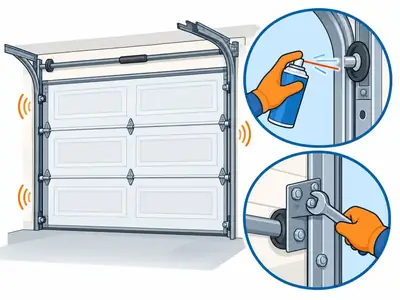 Garage and OutdoorsNoisy Garage Door: What Each Sound Means and What to DoA noisy garage door can mean dry rollers, loose hardware or a worn part. Learn what each sound points to and which fixes are safe to do yourself.
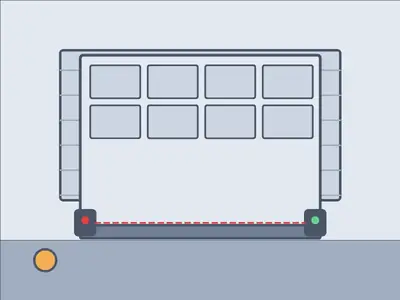 Garage and OutdoorsGarage Door Sensor Blinking Red: What It MeansGarage door sensor blinking red? Learn what the red or amber light and blink codes mean on Chamberlain, LiftMaster and Genie, and what to fix first.
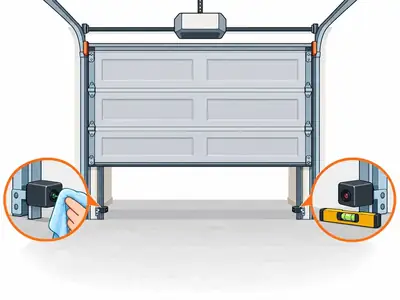 Garage and OutdoorsGarage Door Won't Close All the Way? 5 FixesGarage door won't close all the way? Check the safety sensors, the track and the close limit setting with these safe steps, and learn when to call a pro.
 Garage and OutdoorsGarage Door Won't Close Unless You Hold the ButtonGarage door won't close unless you hold the button? Learn what the safety sensors are telling you and how to fix it without disabling the beam.