
How to Fix an Interior Door That Sticks
Part of: Floors, walls and doors
- Difficulty
- Easy to moderate
- Time
- 30 to 90 minutes
- Tools
- Screwdriver, pencil, sandpaper or sanding block, wood glue, toothpicks, longer screws, hand plane, paper or cardboard shims, paint or sealer, dust mask, gloves
- Call a pro if
- The frame is cracked or out of square, the door is warped badly, or the problem comes back after you fix the hinges.
In this guide
- Wear protection
A door that scrapes the frame or will not latch is annoying and easy to ignore. You can usually fix an interior door that sticks with a few basic tools. The key is to find out why it sticks before you cut or sand anything, since the fix depends on the cause.
Why doors stick
- Loose hinges. Screws back out, and the door sags and rubs at the top latch corner.
- Humidity. Wood swells in damp seasons and shrinks in dry ones.
- Paint buildup. Layers of paint add thickness at the edge or in the frame.
- House settling. The frame shifts slightly and no longer lines up.
- Warped door. The door bends and touches in one area.
Find the rubbing spot
Close the door slowly and look for shiny marks, rubbed paint, or tight gaps. Slide a piece of paper between the door and frame all around. Where the paper sticks is where the door rubs. Mark those places with a pencil or a piece of tape.
Step 1: Tighten the hinges
1. Open the door and check each hinge for loose screws.
2. Tighten them with a screwdriver. If a screw spins without grip, the hole is stripped.
3. Fix stripped holes by dipping a few toothpicks in wood glue and pushing them in the hole. Cut them flush, let the glue dry, and drive the screw back in.
4. Swap a top hinge screw for a longer one that bites into the wall stud. It draws the door up and back toward the frame.
Test the door. Many sticking doors are fixed at this step.
Step 2: Sand or plane the edge
If the door still rubs:
1. Remove the door by tapping out the hinge pins, or keep it in place if the rub is small.
2. Sand the marked area with medium sandpaper on a sanding block. For more wood to remove, use a hand plane in smooth strokes, working with the grain.
3. Remove only a little at a time. Take off a thin layer, then test.
4. Round the edges lightly and brush off dust.
Step 3: Check hinge depth
If the door rubs on the latch side, a hinge may sit too deep or too shallow. Put a thin piece of cardboard behind a hinge leaf to push the door away from the frame. If the door rubs on the hinge side, a slightly deeper hinge mortise may help.
Step 4: Seal and finish
Bare wood takes on moisture. After sanding or planing, touch up with primer and paint or a clear sealer on all exposed edges, including the top and bottom. This slows swelling in damp weather. See how to paint a door frame for finishing tips.
Check the latch
If the door sticks at the latch but does not rub, the strike plate may not line up with the latch. Look at how the bolt meets the hole. Move or file the plate slightly to match.
Prevent future sticking
- Keep humidity steady. A dehumidifier or AC helps in damp seasons.
- Paint all sides of the door, not just the visible ones.
- Check hinge screws once a year.
- Do not force a swollen door. Let it dry out first if you can.
Related: how to fix a squeaky door and how to replace a door hinge.
When the door sticks only in summer
If the door works fine in winter and binds in humid months, the wood is swelling, and the fix is different from a sag. Check all four edges, since the bottom and top are often unpainted and soak up the most moisture. Do not remove much wood in humid weather, because the door will shrink back in dry months and leave a gap that lets in light and drafts. A better first step is to seal the edges and run a dehumidifier or air conditioner for a few days, then see if the sticking eases. If you do trim, wait for a dry spell and take off only what is needed, so the door still closes well all year.
Related guides
- How to Install a Pocket Door
- How to Adjust a Bifold Door
- How to Frame a New Interior Wall
- How to Tighten a Loose Door Knob in Five Minutes
- How to Fix a Bathroom Door Lock That Sticks or Wont Latch
- How to Fix a Door That Will Not Latch (3 Simple Fixes)
FAQ
Should I sand or plane?
Use sandpaper for tiny rubs and a plane for more. Take off a little at a time.
Does humidity really change a door?
Yes. Wood absorbs and releases moisture, so it swells and shrinks.
Can I fix this without taking the door off?
Often yes, for hinge fixes and small sanding.
What if the door is warped?
A badly warped door may need replacing.
More from this topic
- How to Fix a Sticking Garage Side Door: Learn how to fix a sticking garage side door. Find the rub points, tighten hinges, adjust the strike plate,...
- How to Fix a Deadbolt That Will Not Throw All the Way: Learn how to fix a deadbolt that will not throw: check door alignment, the strike plate, hinge screws, and...
- How to Fix a Patio Door That Leaks Air or Water: How to fix a patio door that leaks air or water: separate the draft from the leak, clear the weep holes,...
- How to Install a Barn Door: How to install a barn door: mount the track into studs, get the door square and level, set the rollers, and...
- How to Install a Pocket Door: How to install a pocket door: plan the pocket wall, frame it square and plumb, hang the slab so it clears the...
 Garage and OutdoorsHow to Fix a Sticking Garage Side DoorLearn how to fix a sticking garage side door. Find the rub points, tighten hinges, adjust the strike plate, trim the edge and seal the wood to stop sticking.
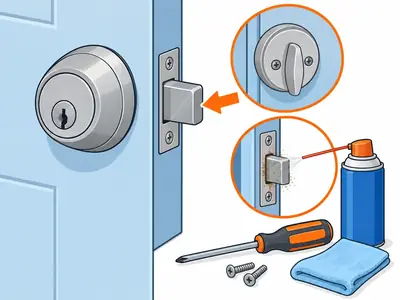 Doors and WindowsHow to Fix a Deadbolt That Will Not Throw All the WayLearn how to fix a deadbolt that will not throw: check door alignment, the strike plate, hinge screws, and the lock itself, with simple steps and safety notes.
 Doors and WindowsHow to Fix a Patio Door That Leaks Air or WaterHow to fix a patio door that leaks air or water: separate the draft from the leak, clear the weep holes, reseal the threshold, and check the flashing.
 Doors and WindowsHow to Install a Barn DoorHow to install a barn door: mount the track into studs, get the door square and level, set the rollers, and fit a floor guide that works.
 Doors and WindowsHow to Install a Pocket DoorHow to install a pocket door: plan the pocket wall, frame it square and plumb, hang the slab so it clears the floor, and finish the opening clean.