
How to Fix a Bathroom Door Lock That Sticks or Wont Latch
Part of: Floors, walls and doors · Also in: The Complete Guide to Doors and Windows: Repairs at Home
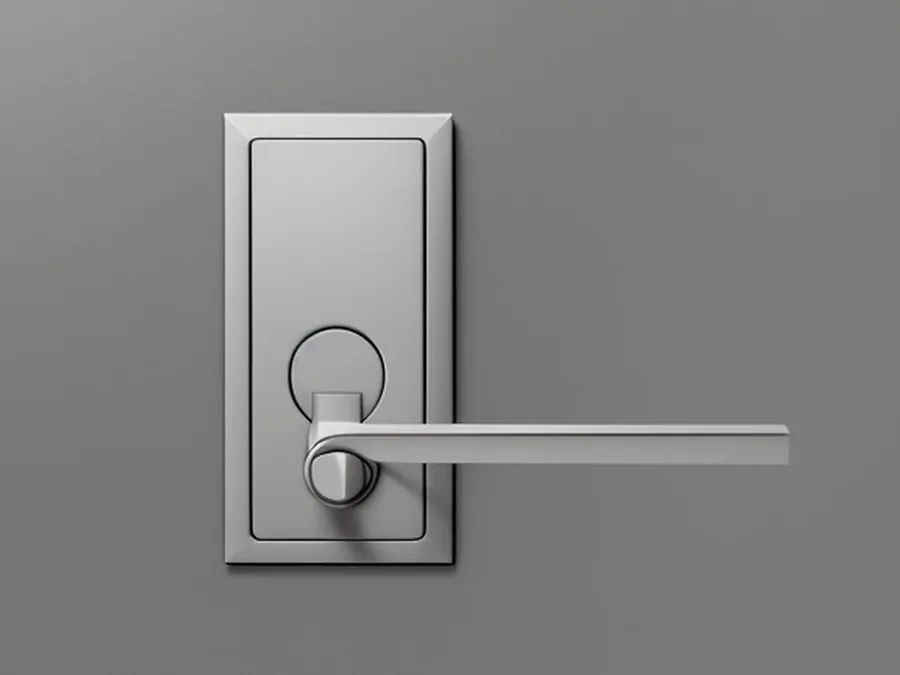
- Difficulty
- Easy
- Time
- 20 to 60 minutes
- Tools
- Screwdriver, chisel, file or sandpaper, pencil, lubricant, replacement privacy lock if worn, drill
- Call a pro if
- The door has swollen or dropped so the lock cannot align at all, or the lock is jammed with someone inside, in which case the priority is getting the door open safely.
In this guide
A bathroom lock has an extra job: it must latch reliably and also release from outside in an emergency. When it sticks, it is usually alignment, not a broken lock. Here is how to fix a bathroom door lock.
1. Decide what the fault is
- Door will not stay shut: the latch does not reach the strike plate, usually alignment.
- Thumb turn stiff or will not turn: the mechanism is dry, corroded or worn.
- Door rattles: the strike plate is too deep or the latch is worn.
- Lock will not release: the spindle or the latch is jammed.
- Emergency release does not work: the slot is blocked or the mechanism has failed.
2. Check the alignment first
1. Close the door slowly and watch where the latch meets the strike plate.
2. Look for a shiny scrape mark on the plate, which shows where it is catching.
3. Check the gap around the door; an even gap means the door is square.
4. If the door has dropped, fix that first. Our guide on fixing a door that rubs the frame covers the adjustment.
3. Adjust the strike plate
1. Mark the latch position on the plate with a pencil through the gap.
2. Remove the plate.
3. File or chisel the opening slightly where the latch catches, keeping it square.
4. Refit and test.
5. If the plate sits too far in, pack it out with a thin shim behind.
Small adjustments are enough; a plate opening that is too big lets the door rattle.
4. Free a stiff thumb turn
1. Remove the handle and the rose.
2. Check the spindle is straight and sits properly in the follower.
3. Clean out dust and hair, which is the usual cause in a bathroom.
4. Apply a dry lubricant or graphite, not a wet oil that collects dust.
5. Refit and test the turn.
5. Clean and lubricate the latch
1. Take the latch out of the door edge.
2. Wipe off old grease and grit.
3. Check the spring returns freely.
4. Lubricate lightly and refit.
5. Do not over-lubricate; excess attracts dust and clogs.
6. Test the emergency release
Every bathroom privacy lock has a way to open it from outside, usually a coin slot, a small hole for a pin, or a screwdriver slot.
1. Close the door and lock it.
2. Use the release from outside.
3. If it does not work, take the lock apart and clear the slot.
4. If the mechanism has failed, replace the lock; a bathroom lock that cannot be released is a hazard.
7. Replace a worn lock
1. Match the backset, the distance from the door edge to the spindle.
2. Match the door thickness and the latch face size.
3. Remove the old handles, latch and strike.
4. Fit the new latch, then the handles, then the strike.
5. Test the latch, the lock and the release.
8. Deal with a swollen door
In a humid bathroom, a wooden door can swell enough to bind.
1. Check the gap at the top and the latch side.
2. Sand or plane the binding edge lightly.
3. Seal the edge with paint or varnish so it does not absorb more moisture.
4. Improve ventilation with an exhaust fan; our guide on fixing a rattling bathroom exhaust fan covers the fan itself.
Common mistakes
- Chiseling the strike plate too much, so the door rattles.
- Using wet oil in a dusty bathroom lock.
- Forcing a stiff thumb turn and breaking the spindle.
- Fitting a lock with the wrong backset.
- Ignoring the emergency release after a repair.
Related guides
- How to Fix a Door That Swings Open on Its Own
- How to Fix a Window Latch That Will Not Lock
- How to Install a Window Lock
- Doors and Windows: Fix Sticking, Squeaking, Drafts and Damage
- How to Lubricate a Sticky Door Lock
- How to Stop a Bathroom Door From Swinging Shut
FAQ
Why does my bathroom door not latch?
Usually the strike plate is misaligned or the door has dropped. Adjust the plate or the hinges.
How do I open a jammed bathroom lock from outside?
Use the emergency release: a coin slot, a pin hole or a screwdriver slot, depending on the lock.
Can I lubricate a bathroom lock?
Yes, with a dry lubricant or graphite. Avoid wet oil, which collects dust.
Do all bathroom locks have an emergency release?
Good ones do. If yours has none, replace it with one that does.
More from this topic
- How to Fix a Door That Will Not Latch (3 Simple Fixes): How to fix a door that will not latch: find where the latch misses, tighten the hinges, and adjust the strike...
- How to Fix a Bathroom Door That Will Not Close or Latch: Learn how to fix a bathroom door that will not close: check the strike plate, swelling and hinges, adjust the...
- How to Fix a Deadbolt That Will Not Throw All the Way: Learn how to fix a deadbolt that will not throw: check door alignment, the strike plate, hinge screws, and...
- How to Fix a Sagging Screen Door That Drags: Learn how to fix a sagging screen door: check the hinges, tighten the frame, add a turnbuckle or corner...
- How to Fix an Interior Door That Sticks: Learn how to fix an interior door that sticks: find where it rubs, tighten hinges, sand or plane the edge,...
 Doors and WindowsHow to Fix a Door That Will Not Latch (3 Simple Fixes)How to fix a door that will not latch: find where the latch misses, tighten the hinges, and adjust the strike plate. A beginner guide with basic tools.
 BathroomHow to Fix a Bathroom Door That Will Not Close or LatchLearn how to fix a bathroom door that will not close: check the strike plate, swelling and hinges, adjust the plate, and deal with a door that hits the frame.
 Doors and WindowsHow to Fix a Deadbolt That Will Not Throw All the WayLearn how to fix a deadbolt that will not throw: check door alignment, the strike plate, hinge screws, and the lock itself, with simple steps and safety notes.
 Doors and WindowsHow to Fix a Sagging Screen Door That DragsLearn how to fix a sagging screen door: check the hinges, tighten the frame, add a turnbuckle or corner brace, adjust the latch, and stop it dragging.
 Doors and WindowsHow to Fix an Interior Door That SticksLearn how to fix an interior door that sticks: find where it rubs, tighten hinges, sand or plane the edge, and seal the wood so humidity stops the problem.