
Doors and Windows: Fix Sticking, Squeaks and Drafts
Part of: Floors, walls and doors
- Difficulty
- Easy
- Time
- 10 to 45 minutes per fix
- Tools
- Screwdriver, plane or sanding block, lubricant, weatherstripping, caulk, utility knife, hammer
- Call a pro if
- The frame is out of square, glass is cracked, a window will not stay up because the balance is broken, or an exterior door leaks water into the wall.
In this guide
- Ladder safety
- Wear protection
Doors and windows are the parts of a house that move, which is why they complain first. Almost every complaint has a mechanical cause: a hinge that has sagged, a frame that has swollen with moisture, a seal that has perished, a latch that no longer lines up. Work through the cause and the symptom goes away; adjust the symptom and it comes back in a month.
A door that sticks, scrapes or will not latch
First, work out where it rubs. A pencil mark on the edge, or a strip of chalk on the frame, shows the contact point. Then check the hinges: a door that has sagged on its top hinge will drag at the bottom corner, and tightening or replacing the screws fixes it without touching the door.
If the door itself has swollen, a light plane or sanding of the edge is the fix, followed by paint or sealer so it does not absorb moisture again. A door that scrapes the floor may need the hinges packed or the threshold adjusted rather than the door cut.
A door that will not latch is nearly always alignment: the strike plate has moved, the door has dropped, or the latch bolt no longer reaches. Moving the strike plate a millimeter or two solves most of these. If the door has dropped, tightening the top hinge first often brings the bolt back into line without touching the plate at all.
A squeaky hinge is lubrication, not repair, and takes a minute. If the hinge pin is worn, replacing the pin is cheaper than replacing the door.
Drafts, gaps and weather
A draft under an exterior door is cold air, water and pests all at once. The fix is a sweep, a threshold or new weatherstripping, depending on where the gap is. Test with a hand or a lit incense stick along the edges: the leak is usually at the bottom and at the latch side.
Weatherstripping compresses over time. Replacing it is a cheap job with a visible result on both comfort and heating bills. A storm door that slams needs its closer adjusted, not replaced.
Windows leak in three ways: around the frame, through the seal, and through the sash. Caulking around a window from outside stops water getting behind the frame. Sealing a drafty window from inside stops air movement. Both are worth doing, and they solve different problems.
Windows that stick, will not open or will not stay up
A window painted shut needs the paint cut along the seam with a knife, then a putty knife worked into the gap. A sash that sticks because the frame has swollen needs sanding and wax, not force. A window that will not stay up has a broken balance or a worn friction shoe, and that is a parts job.
A latch that will not lock usually means the sash is not sitting square in the frame, so the lock pulls it tight. Adjusting the keeper or cleaning the track often fixes it.
Screens, tracks and condensation
A torn screen is a patch or a re-screen job, and re-screening is easier than it looks with a spline roller. Patio door screens come off the same way.
Dirty tracks make windows hard to slide and hold water that rusts the frame. Cleaning them is a ten-minute job that prevents a bigger one.
Condensation on the inside of a window in winter is a humidity and ventilation issue, not a window fault. Condensation between the panes of a double-glazed unit means the seal has failed, and that unit has to be replaced; there is no repair that restores the gas fill.
When to stop and call a pro
Call if a frame is out of square, if glass is cracked or a seal has failed in a sealed unit, if a window will not stay up because the balance is gone, or if water is getting into the wall around an exterior door or window. A door that will not close after adjustment may also be a structural sign worth checking.
FAQ
Why does my door stick only in summer? Humidity swells the wood. Plane the edge lightly and seal it; the door will still be tight in winter.
Can I fix a foggy double-pane window? The sealed unit has failed and needs replacing. Drilling and drying is a temporary trick at best.
What is the fastest fix for a drafty door? A door sweep or new weatherstripping at the bottom. Do that before considering a new door.
How do I stop a door from slamming? Adjust the closer, add a felt bumper, or fit a soft-close hinge. On an interior door, a small wedge of felt at the jamb works.
Related guides
- How to Fix a Door That Will Not Latch
- How to Fix a Door That Scrapes the Floor
- How to Weatherstrip an Exterior Door and Stop Drafts
- How to Fix a Sticking Window That Will Not Open or Slide
- Window Condensation: Why Your Windows Sweat and What to Do
- How to Clean Window Tracks and Keep Windows Gliding
More from this topic
- Floors and Floor Care: Stop Squeaks, Scratches and Gaps: Floors and floor care: fix a squeaky floor without tearing it up, close gaps in vinyl plank, deal with a...
- Drywall, Paint and Wall Repair: Fixes You Actually Need: Wall repair: patch a hole, fix nail pops and cracks, match texture, then paint it so the repair disappears: a...
- How to Fix a Loose Hinge Screw: How to fix a loose hinge screw so the door hangs straight again: test the holes, pack them with wood, and...
- How to Fix a Squeaky Door in 10 Minutes: Find out how to fix a squeaky door: spot the noisy hinge, lubricate it or tighten the screws, and enjoy quiet...
- How to Fix a Window That Won't Open: Learn how to fix a window that won't open: free a painted-shut sash, clean the tracks, lubricate and fix...
 FloorsFloors and Floor Care: Stop Squeaks, Scratches and GapsFloors and floor care: fix a squeaky floor without tearing it up, close gaps in vinyl plank, deal with a cracked tile. Steps, tools and safety notes included.
 Walls and PaintDrywall, Paint and Wall Repair: Fixes You Actually NeedWall repair: patch a hole, fix nail pops and cracks, match texture, then paint it so the repair disappears: a practical order of work for walls and ceilings.
 Doors and WindowsHow to Fix a Loose Hinge ScrewHow to fix a loose hinge screw so the door hangs straight again: test the holes, pack them with wood, and reset the screws.
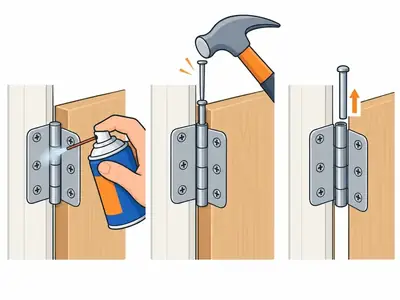 Doors and WindowsHow to Fix a Squeaky Door in 10 MinutesFind out how to fix a squeaky door: spot the noisy hinge, lubricate it or tighten the screws, and enjoy quiet doors. Steps, tools and safety notes included.
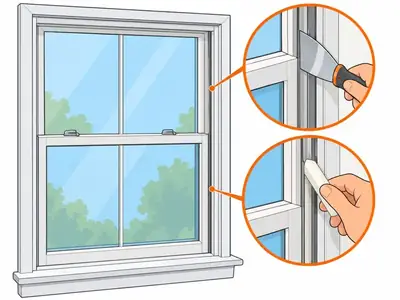 Doors and WindowsHow to Fix a Window That Won't OpenLearn how to fix a window that won't open: free a painted-shut sash, clean the tracks, lubricate and fix swollen frames without breaking the glass.