
Drywall, Paint and Wall Repair: Fixes You Actually Need
Part of: Floors, walls and doors
- Difficulty
- Easy to moderate
- Time
- 30 minutes to a weekend depending on the repair
- Tools
- Putty knife, joint compound, sanding sponge, mesh patch, primer, roller, brush, tape
- Call a pro if
- A crack is wide, diagonal or keeps reopening, the wall is soft or damp, or the damage is structural around a door or window frame.
In this guide
- Ladder safety
- Wear protection
A wall repair is really two jobs: making the surface flat, and making the paint match. Most disappointing DIY patches fail at the second one, because the patch was filled but not feathered, or the repaired area was painted without primer and now shows as a dull rectangle. This page sets out the order that gets a repair to disappear, from a nail hole to a ceiling crack.
Small holes, nail pops and cracks
A nail hole or a doorknob dent needs filler, sanding and primer, in that order. Overfill slightly, because joint compound shrinks as it dries, then sand flush with a fine sponge. A nail pop is a screw or nail that has backed out; drive a new screw an inch away, dimple it, and fill over both.
A hairline crack in plaster or drywall is usually movement or shrinkage. Rake it open slightly, fill with a setting compound, tape it if it is wider than a credit card, and sand. A crack that reopens after repair is telling you something is still moving, and that is worth understanding before the third attempt.
Ceiling cracks deserve a second look, because a ceiling crack over a bathroom or below a bathroom often means water. The guide on fixing a ceiling crack covers when to fill and when to investigate first.
Larger holes and seams
A hole bigger than a few inches needs backing: a piece of plywood or a drywall offcut screwed behind the opening, then a patch of drywall screwed to it, then tape and compound over the joints. Mesh patches work for small and medium holes and are much faster, but they telegraph through paint if the compound is not feathered wide.
Showing seams are a tape or compound problem: too little mud under the tape, or a joint that was sanded flat instead of feathered. Fixing a seam means cutting out the loose tape and redoing it, not skim coating over the top.
Matching texture is the step people skip. A smooth patch on a textured wall is visible from across the room. The texture guide covers the common patterns and how to blend an edge.
Painting so the repair disappears
Prime the patch. Bare compound absorbs paint differently from the surrounding wall, and that is why patches show as dull spots. A stain-blocking primer is also what stops a water stain bleeding back through the new paint.
Then match the sheen and the color. Paint a patch with the same paint in the same sheen, and feather the edges rather than stopping at a hard line. Touch-up paint on a wall that has faded will still show, so on a large repair it is often better to repaint the whole wall corner to corner.
Preparation decides the finish. Washing, filling, sanding and priming is the difference between a paint job that lasts and one that peels. Cutting in along ceilings and trim is the other skill worth practicing: load the brush lightly, keep a wet edge, and work in short sections.
Wallpaper and wall prep
Removing wallpaper is messy but straightforward if you score it, soak it and give the glue time to soften. Painting over wallpaper works only when the paper is firmly bonded; a loose seam will lift under the paint and take the paper with it. Both routes need the wall washed and primed first.
Scuffs, crayon and sticker residue come off with the right solvent rather than more scrubbing. A melamine sponge takes scuffs off flat paint but also takes the sheen with it, so test in a corner.
Baseboards, trim and hanging things
Baseboards take the abuse in a house: vacuum marks, paint drips, gaps at the floor. Cleaning them is a five-minute job with the right method, and replacing them is a straightforward carpentry job if they are cracked or missing. A gap between the baseboard and the wall is usually a caulk job, not a removal job.
Hanging something heavy on drywall means finding a stud or using a proper anchor. A heavy mirror on two drywall anchors will come down, usually at night.
When to stop and call a pro
Call if a crack is wide, diagonal, or reopens repeatedly, if the wall is soft, crumbly or damp, if the damage sits above a door or window and the frame is out of square, or if a ceiling is sagging. Those point at structure or water, and covering them up makes the eventual repair bigger.
FAQ
Do I have to prime before painting a patch? Yes. Unprimed compound dries to a different sheen and absorbs paint unevenly, which is why patches show.
What is the fastest way to patch a medium hole? Backing board plus a drywall offcut, then tape and two coats of compound. Mesh is faster for small holes but shows if it is not feathered.
Why does my patch look lumpy after painting? The compound was not sanded flat or the edge was not feathered. Sand with a bright light held against the wall to find the high spots.
Can I paint over a water stain? Only after it is dry and sealed with a stain-blocking primer. Otherwise the stain bleeds through.
Related guides
- How to Patch Drywall Hole: Small and Medium Repairs
- How to Fix Nail Pops in Drywall
- How to Match Wall Texture on a Drywall Patch
- How to Prep Walls Before Painting
- How to Paint a Room Like a Pro
- How to Patch a Large Hole in a Ceiling
More from this topic
- Doors and Windows: Fix Sticking, Squeaks and Drafts: Doors and windows: a door that sticks, scrapes or will not latch, a window painted shut, a draft under an...
- Floors and Floor Care: Stop Squeaks, Scratches and Gaps: Floors and floor care: fix a squeaky floor without tearing it up, close gaps in vinyl plank, deal with a...
- How Much Does It Cost to Patch a Hole in Drywall? DIY vs Pro: How much does it cost to patch a hole in drywall? See sourced price ranges for pros, what a DIY patch costs...
- How to Fix Drywall Seams That Show Through Paint: Learn how to fix drywall seams that show as ridges or shadows: cut out the failed joint, retape it, feather...
- How to Paint a Room Like a Pro (Beginner Guide): Want to know how to paint a room with a smooth finish? Follow these steps for prep, taping, cutting in,...
 Doors and WindowsDoors and Windows: Fix Sticking, Squeaks and DraftsDoors and windows: a door that sticks, scrapes or will not latch, a window painted shut, a draft under an exterior door or a torn screen: the fixes.
 FloorsFloors and Floor Care: Stop Squeaks, Scratches and GapsFloors and floor care: fix a squeaky floor without tearing it up, close gaps in vinyl plank, deal with a cracked tile. Steps, tools and safety notes included.
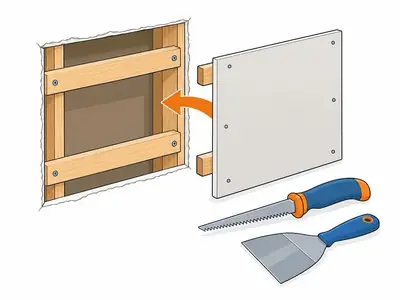 Walls and PaintHow Much Does It Cost to Patch a Hole in Drywall? DIY vs ProHow much does it cost to patch a hole in drywall? See sourced price ranges for pros, what a DIY patch costs and when hiring is worth it.
 Walls and PaintHow to Fix Drywall Seams That Show Through PaintLearn how to fix drywall seams that show as ridges or shadows: cut out the failed joint, retape it, feather the compound wide and prime before you repaint.
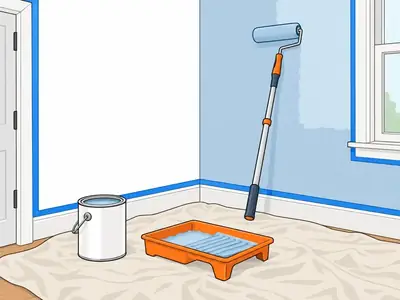 Walls and PaintHow to Paint a Room Like a Pro (Beginner Guide)Want to know how to paint a room with a smooth finish? Follow these steps for prep, taping, cutting in, rolling and cleanup. Steps and safety tips included.