
How to Match Wall Texture on a Drywall Patch
Part of: Floors, walls and doors
- Difficulty
- Moderate
- Time
- 1 to 2 hours, plus drying time
- Tools
- Joint compound, texture spray or hopper, trowel or knockdown knife, sponge, scrap drywall or cardboard for practice, sandpaper, primer, paint
- Call a pro if
- The patch is large or in a highly visible spot, the texture is a complex hand-troweled pattern, or the wall has never been textured and needs a full skim.
In this guide
- Wear protection
- Chemical safety
You patched the hole beautifully. The wall is smooth, the paint matches, and the patch still shouts at you, because it is flat and the wall around it is not. Texture is the signature of a wall, and matching it is what makes a repair disappear. The good news: most textures are simpler to copy than they look, as long as you practice off the wall first. Here is how to match wall texture on a drywall patch.
This guide is part of our wider guide to drywall, paint and wall repair.
Step 1: Finish the patch flat first
Texture goes over a finished patch, not instead of one. The compound must be smooth, feathered and sanded, with no ridges or humps, because texture hides tiny flaws but highlights big ones. Our guide on patching a small hole in drywall covers the flat work. Prime the bare compound before texturing so it absorbs moisture like the rest of the wall.
Step 2: Identify your texture
Look at the wall in raking light, with a flashlight held at a low angle. The common types:
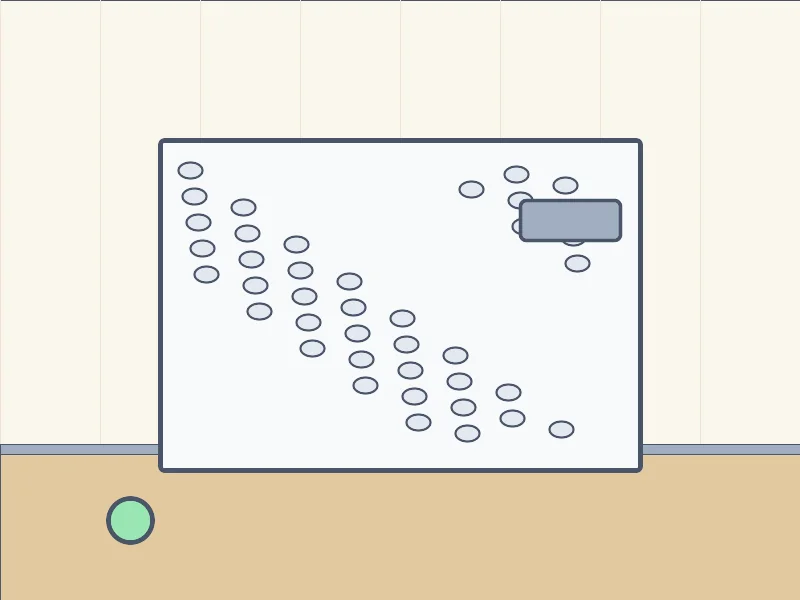
- Orange peel: small, fine bumps like the skin of an orange. Sprayed on.
- Knockdown: larger flattened blobs with flat tops, like stucco. Sprayed, then flattened with a knife.
- Skip trowel: irregular smooth islands with texture between, hand-applied with a trowel.
- Swirl or sand textures: arcs or brushed patterns, common on ceilings.
Matching starts with knowing which one you are copying. Take a photo with the flash on for reference.
Step 3: Practice on scrap first
This step decides whether the patch blends or stands out. Get a scrap of drywall or a large piece of cardboard and practice until the pattern matches the wall. Expect to use several practice boards. Nobody's first spray matches.
For orange peel and knockdown, aerosol texture cans from the hardware store work for patches up to a few square feet. They have adjustable nozzles for fine, medium and heavy splatter. Thin texture comes from more air and less compound; heavy texture from the opposite.
Step 4: Apply orange peel texture
Shake the can well. Hold it 18 to 24 inches from the wall and spray in a circular sweeping motion, overlapping the patch edges onto the existing texture so the new pattern fades into the old. Start light. You can add another pass, but you cannot easily take one away.
Feather the edges: spray heavier over the patch center and lighter toward the outside, so the transition zone has a gradual change in density rather than a hard border.
Step 5: Apply knockdown texture
Spray a heavier splatter coat, then wait. The compound needs to set for 10 to 20 minutes until it loses its wet shine but is still soft. Then hold a knockdown knife or wide trowel almost flat against the wall and drag it lightly across the tops of the blobs, flattening them without smearing. One pass, light pressure. Wipe the blade between passes.
Knock too early and the texture smears into mud. Wait too long and it will not flatten. Test the timing on your practice board first.
Step 6: Apply skip trowel by hand
Mix joint compound to a thick pancake-batter consistency. Spread a thin coat over the patch with a trowel, then drag the trowel across at a low angle, skipping and lifting randomly so some areas get compound and some stay bare. There is no formula; study your wall's spacing and rhythm and copy it. The randomness is the pattern.
Step 7: Let it dry, then prime and paint
Texture shrinks as it dries, so judge the match only when fully dry, ideally the next day. Prime the patch, then paint, feathering the paint onto the surrounding wall. A perfect texture match under mismatched paint still shows, so use the same paint and the same roller nap as the original wall where possible. Our guide on touching up paint on walls covers the blending.
Common mistakes
- Spraying only the patch and stopping at its edges, creating a visible texture island.
- Skipping practice. The wall is not the place to learn a spray can.
- Knocking down too early or pressing too hard.
- Judging the match while wet, when the texture looks heavier than it will dry.
Related guides
- How to Patch a Nail Pop or Popped Drywall Screw
- How Much Does It Cost to Patch a Hole in Drywall? DIY vs Pro
- How to Patch a Hole in Vinyl Siding Without Replacing the Panel
- How to Fix Drywall Seams That Show Through Paint
- How to Texture a Wall With a Roller
- How to Patch a Hole in a Textured Wall
FAQ
Can I use a sponge or brush for orange peel instead of spray?
A sponge dabbed in thinned compound can approximate a fine orange peel on a tiny patch. For anything bigger than a fist, the spray can gives a far closer match.
What if my wall has no texture but the patch still shows?
The patch may need a skim coat to remove a hump, or the sheen differs. A flat wall shows repairs through light and sheen, not texture. Adding a very light, even coat of compound over the whole patch area and sanding flush usually solves it.
How do I match ceiling popcorn texture?
Popcorn is a different material and an older ceiling may contain asbestos in pre-1980s homes. Have the texture tested before disturbing it, and use a pro for the repair if it tests positive.
More from this topic
- How to Anchor Into Drywall: Pick the Right Anchor: How to anchor into drywall: match the anchor to the weight, drill the right hole, and know when to find a...
- How to Hang a Heavy Mirror on Drywall Without It Falling: Learn how to hang a heavy mirror on drywall: find the weight, locate studs, pick the right hardware and level...
- How to Install a Towel Ring on Drywall: Learn how to install a towel ring on drywall, from height and level to the anchors that keep it tight under...
- How to Install a Wall Mirror With Clips: Learn how to install a wall mirror with clips, from layout and level lines to anchoring the clips and setting...
- How to Patch a Large Hole in a Ceiling: How to patch a large hole in a ceiling: cut it square, fit a drywall plug on backer boards, tape and feather...
 Walls and PaintHow to Anchor Into Drywall: Pick the Right AnchorHow to anchor into drywall: match the anchor to the weight, drill the right hole, and know when to find a stud instead. Every anchor type covered.
 Walls and PaintHow to Hang a Heavy Mirror on Drywall Without It FallingLearn how to hang a heavy mirror on drywall: find the weight, locate studs, pick the right hardware and level it so it stays up for years.
 Walls and PaintHow to Install a Towel Ring on DrywallLearn how to install a towel ring on drywall, from height and level to the anchors that keep it tight under daily use.
 Walls and PaintHow to Install a Wall Mirror With ClipsLearn how to install a wall mirror with clips, from layout and level lines to anchoring the clips and setting the glass safely.
 Walls and PaintHow to Patch a Large Hole in a CeilingHow to patch a large hole in a ceiling: cut it square, fit a drywall plug on backer boards, tape and feather it, and match the texture.