
How to Patch a Hole in Vinyl Siding
Part of: Outdoors and garage
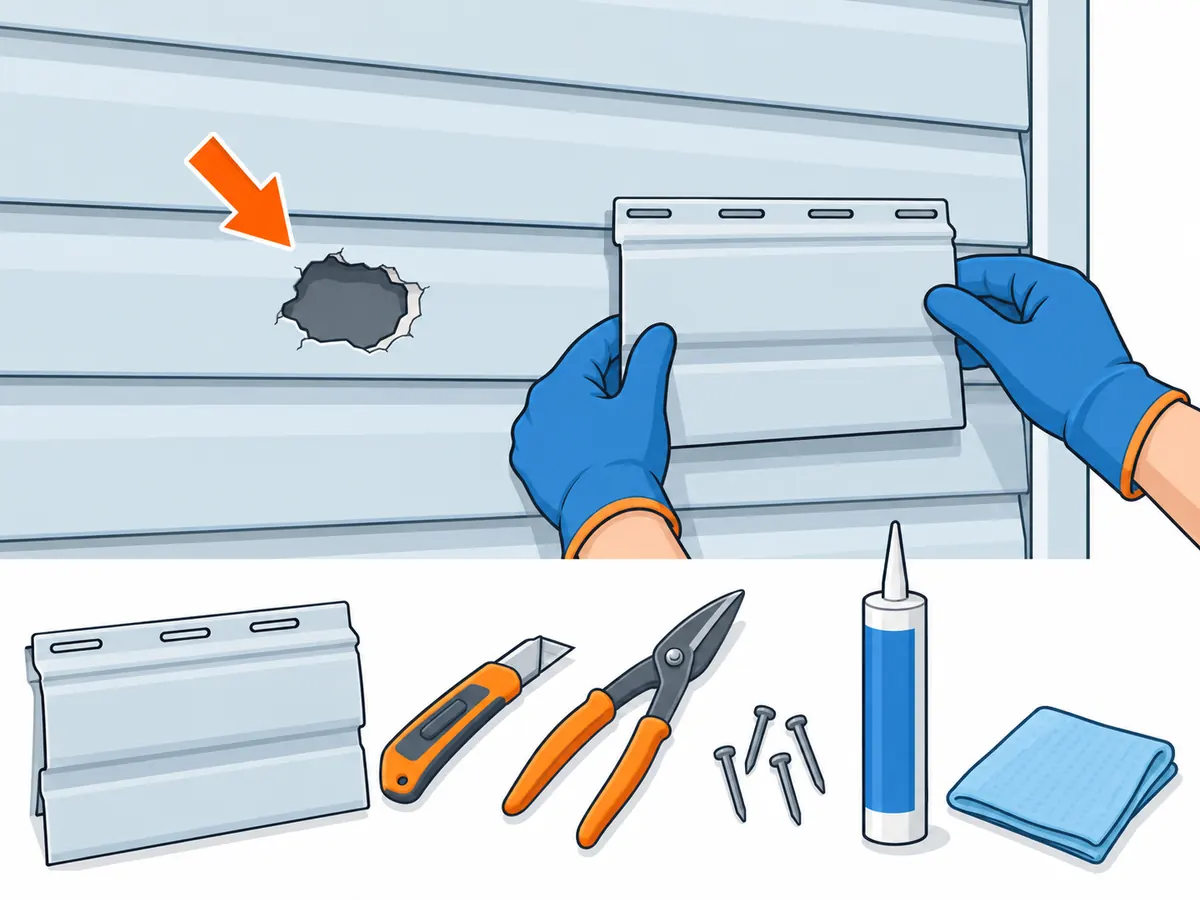
- Difficulty
- Easy to medium
- Time
- 30 minutes to 2 hours
- Tools
- Putty knife, utility knife, zip tool or flat pry bar, hammer, caulk gun, exterior caulk in a matching color, spare siding, nails or screws, cleaning cloth, ladder
- Call a pro if
- the wall behind the siding is wet or damaged, many panels are broken or the siding is on a high wall
In this guide
- Ladder safety
- Wear protection
A stray baseball, a branch or a trimmer can leave a hole or crack in vinyl siding. A hole lets in water and insects, and it gets worse with time. You can patch a hole in vinyl siding in about an hour. Small holes need only caulk, and larger ones need a patch piece. This guide shows both.
This guide is part of our wider guide to drywall, paint and wall repair.
Check the damage first
Look at the hole and the area around it. Check the wall behind the siding, if you can see it. Wet or soft sheathing, mold or insect damage means the wall needs attention first. Check that the siding is not warped, melted or faded in a large area, which may call for replacement of the panel.
Small holes and cracks: caulk
1. Clean the area with a cloth and mild soap. Let it dry.
2. Trim any rough edges with a utility knife.
3. Fill the hole with exterior caulk made for vinyl, in a color that matches the siding. For deeper holes, push a small piece of backer rod or foam into the hole first.
4. Smooth the caulk with a putty knife or a gloved finger.
5. Let it cure as the label says.
Caulk is for holes up to about the size of a quarter. Larger holes need a patch.
Medium holes: a patch piece
1. Cut a patch from a scrap of matching siding. Make it a bit larger than the hole.
2. Trim the edges so the patch has a clean shape.
3. Apply adhesive made for vinyl to the back of the patch.
4. Press it over the hole and hold or tape it until it sets.
5. Seal the edges with caulk.
A patch may be visible, but it keeps water out.
Large damage: replace the panel section
1. Find the damaged panel. Vinyl siding locks in place with a bottom edge that snaps into the panel below.
2. Unlock the panel using a zip tool. Slide the tool under the lower edge of the panel above and pull down and out to release.
3. Remove the nails or screws that hold the damaged panel.
4. Slide the panel out. Keep the panels above and below in place.
5. Cut a new panel to the same length. Leave room for expansion.
6. Install the new panel by sliding it under the panel above and snapping the bottom into the one below.
7. Fasten it with nails or screws in the middle of the slots. Do not drive them tight. Siding must be able to move.
8. Lock the panel above back in place.
Siding expands and contracts. Leave about 1/32 inch between the nail head and the panel.
Signs that point to each cause
Cracks that look like spider webs can come from cold temperatures and impacts. Wavy panels or buckled sections come from nails that are too tight. Faded or melted areas may come from heat reflected off a window or a grill. Holes at the bottom may be from animals or lawn equipment. Holes with a pattern may be from insects such as woodpeckers or carpenter bees, in which case check the wood behind.
Color matching
Old siding fades, so new siding may not match. Take the panel pieces to the store, or take a photo. Try to use siding from a hidden spot, such as behind a downspout or inside a garage, as a donor. A paint made for vinyl can also help blend a repair, so choose a color that is not darker than the siding.
Prevention
Keep trimmers and mowers away from siding. Cut back branches. Move grills away from the wall. Check the siding each spring. Seal small cracks right away.
Tools and materials for a lasting repair
Use siding nails or screws that resist rust, and do not drive them tight. Keep a spare piece of the same siding when you buy a house or after a project, as colors change over time. Use a caulk labeled for vinyl and exterior use, since some types stay sticky or shrink. For a patch, test the adhesive on a hidden spot first, since some solvents can mar vinyl. Work in mild weather, because vinyl is brittle in the cold and soft in the heat.
Stop a repeat
Find out what caused the damage. Hail, a sprinkler that sprays the wall, a branch or a mower can all damage siding again. Trim plants and aim sprinklers away. Add edging or a mulch strip at the base of the wall to keep trimmers away. A small repair now costs far less than a wet wall later.
Related guides
- How to Prune Overgrown Shrubs Safely Without Hurting the Plant
- How to Patch Drywall Hole: Small and Medium Repairs
- How Much Does It Cost to Patch a Hole in Drywall? DIY vs Pro
- How to Caulk Exterior Trim and Windows
- How to Patch a Flat Roof
- Painting Vinyl Siding: A Step-by-Step Guide
- Stucco Repair: Patch Cracks and Holes
FAQ
Can I use regular caulk?
Use a caulk made for exterior vinyl, in a matching color.
Why does vinyl siding crack?
Cold weather, impacts and age make vinyl brittle.
Do I need special tools?
A zip tool helps for panel replacement.
Should I worry about the wall behind?
Yes. Check for moisture or rot.
More from this topic
- Vinyl vs Fiber Cement Siding Cost and Trade-Offs: Vinyl vs fiber cement siding cost per square foot and per house, with lifespan, maintenance and installation...
- How to Repair a Concrete Driveway Crack: How to repair a concrete driveway crack with a wire brush, backer rod and flexible filler. Steps, tools, and...
- How to Repair a Cracked Concrete Step: Cracks and Chips: Learn how to repair a cracked concrete step. Clean the damage, fill cracks with a patch compound, rebuild...
- How to Seal a Concrete Driveway: Learn how to seal a concrete driveway: test for cure and moisture, clean and patch first, apply sealer in...
- Painting Vinyl Siding: A Step-by-Step Guide: Painting vinyl siding works if you clean it, stay no darker than the original color, and use the right...
 Garage and OutdoorsVinyl vs Fiber Cement Siding Cost and Trade-OffsVinyl vs fiber cement siding cost per square foot and per house, with lifespan, maintenance and installation trade-offs.
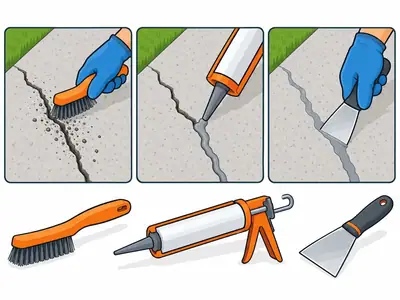 Garage and OutdoorsHow to Repair a Concrete Driveway CrackHow to repair a concrete driveway crack with a wire brush, backer rod and flexible filler. Steps, tools, and when a crack needs a pro.
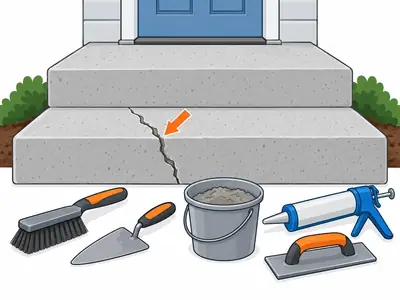 Garage and OutdoorsHow to Repair a Cracked Concrete Step: Cracks and ChipsLearn how to repair a cracked concrete step. Clean the damage, fill cracks with a patch compound, rebuild chipped edges and seal the step against water and ice.
 Garage and OutdoorsHow to Seal a Concrete DrivewayLearn how to seal a concrete driveway: test for cure and moisture, clean and patch first, apply sealer in even coats and know how often to reseal.
 Garage and OutdoorsPainting Vinyl Siding: A Step-by-Step GuidePainting vinyl siding works if you clean it, stay no darker than the original color, and use the right acrylic paint. Full steps here.