
How to Repair a Concrete Driveway Crack
Part of: Outdoors and garage · Also in: The Complete Guide to Outdoor and Yard Repair for Homeowners
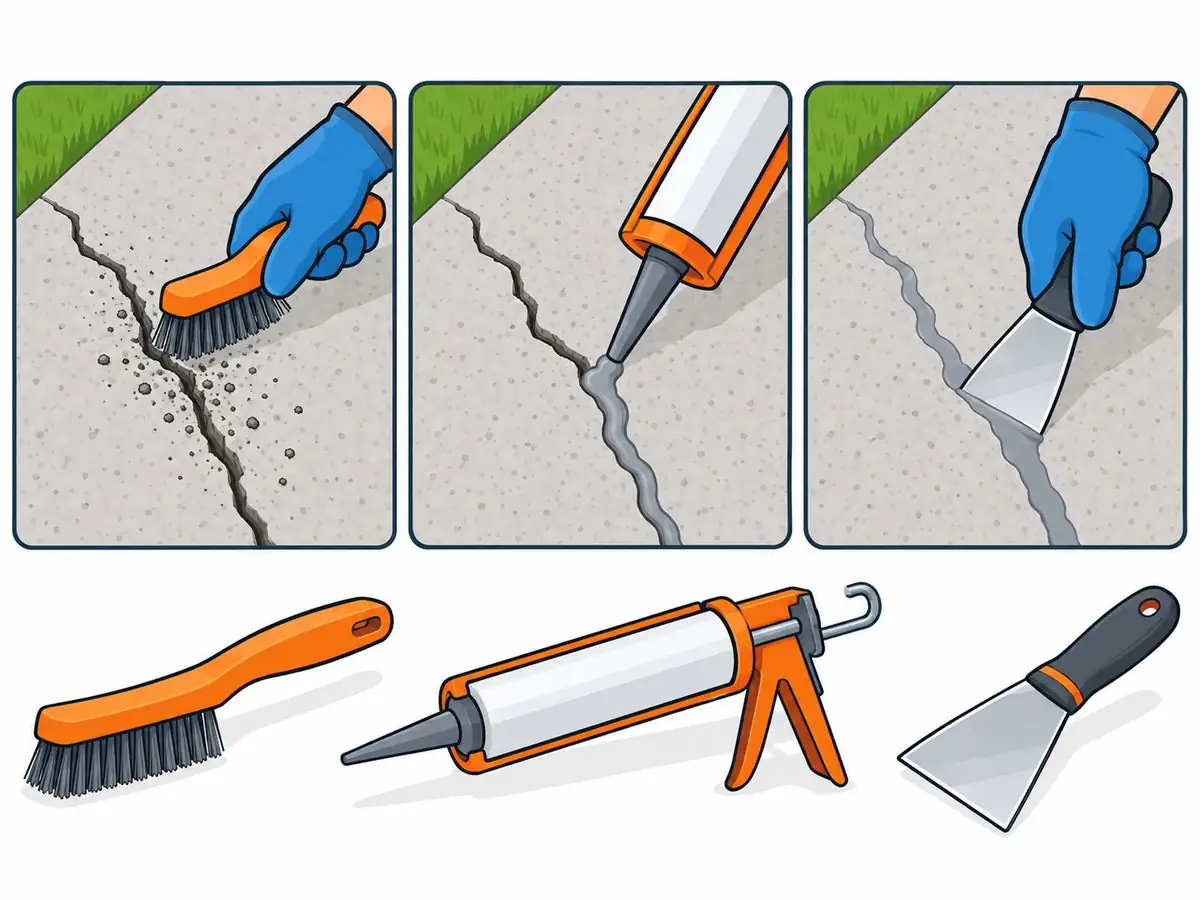
- Difficulty
- Easy to medium
- Time
- 1 to 2 hours, plus cure time
- Tools
- Wire brush, cold chisel or screwdriver, shop vacuum or broom, backer rod (for cracks wider than about 1/4 inch), concrete crack filler or self-leveling sealant in a tube, caulk gun, putty knife, safety glasses, gloves
- Call a pro if
- one side of the crack is higher than the other, the crack is wider than about 1/2 inch and growing, the slab is sinking or there are many cracks
In this guide
- Wear protection
- Chemical safety
Small cracks in a concrete driveway let water in, and winter freezing can widen them. How to repair a concrete driveway crack depends on its width, since a hairline crack is usually surface and a crack of half an inch or more points to the base.
This guide is part of our wider guide to garage, decks, fences and yard care.
Types of cracks
Hairline cracks are thin and usually only on the surface. Wider cracks, a half inch or more, often mean the base below is moving. Cracks where one side is higher than the other (a "heave") are a sign of a bigger problem.
Step by step
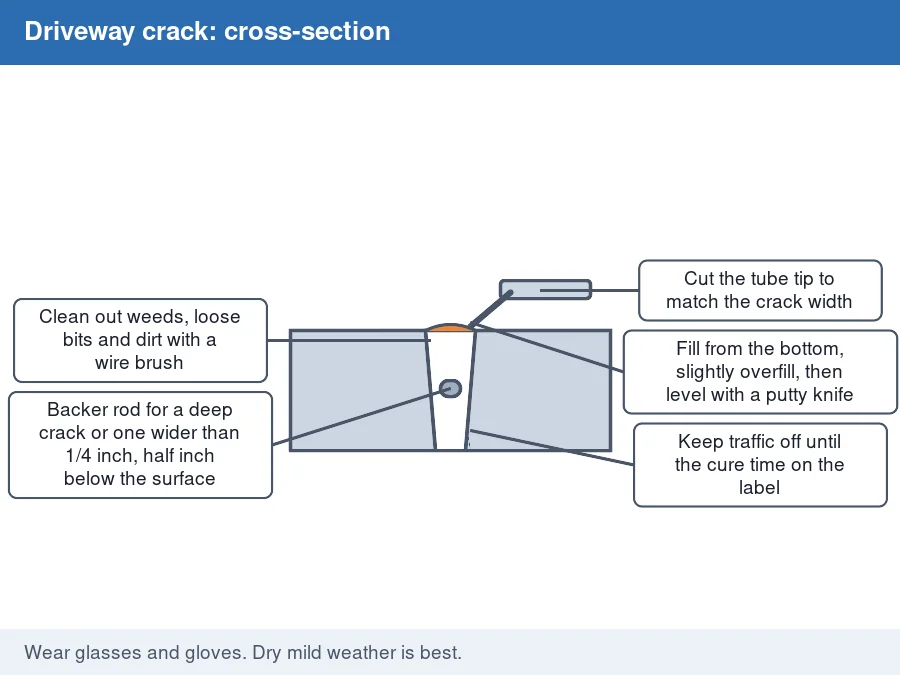
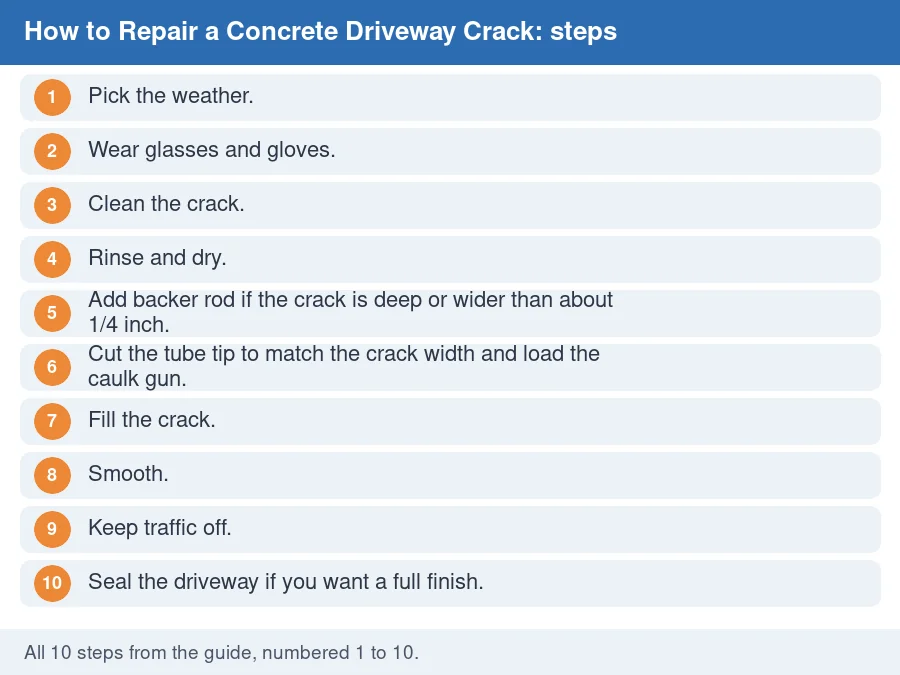
1. Pick the weather. Dry, mild weather is best. Check the product label for the temperature range.
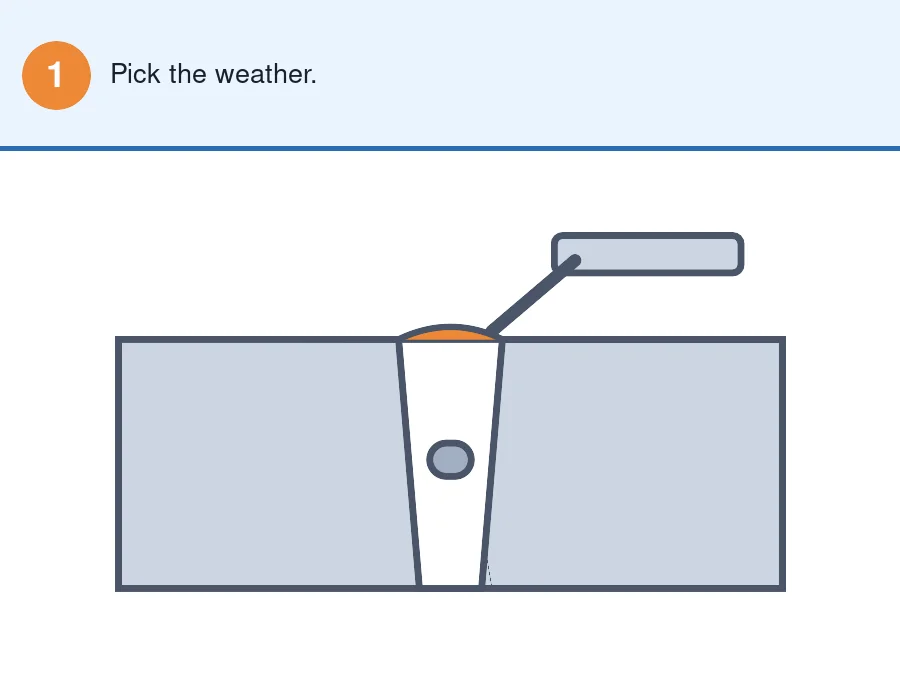
2. Wear glasses and gloves.
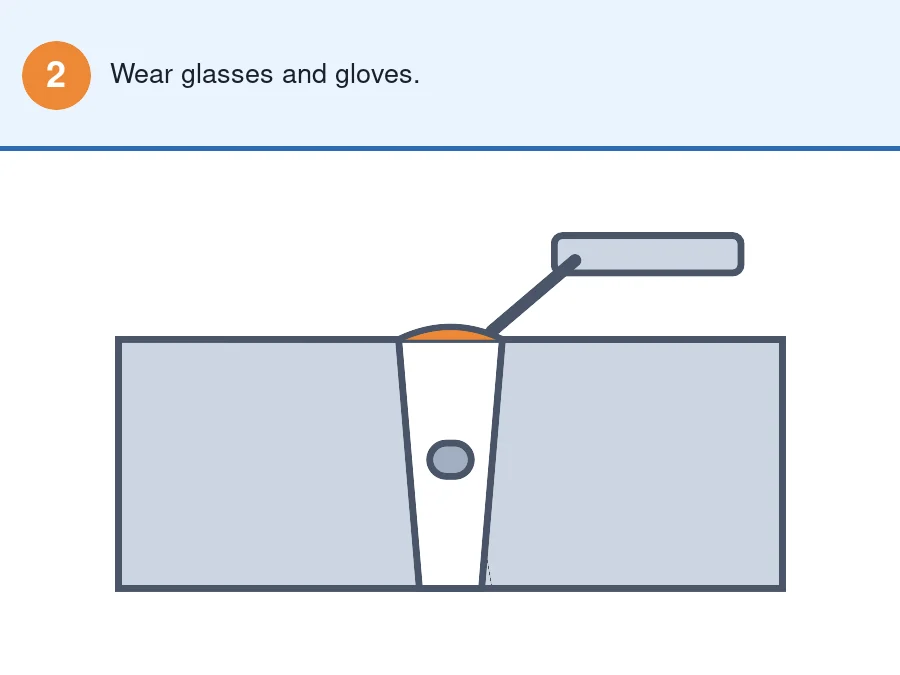
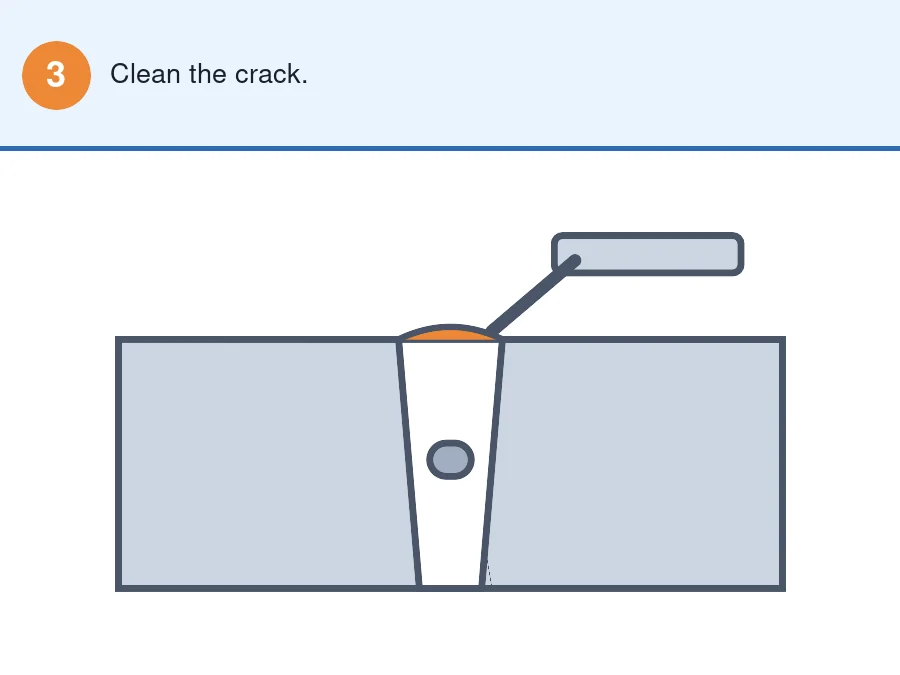
3. Clean the crack. Remove weeds, loose bits and dirt with a wire brush and a screwdriver. Vacuum or sweep. Clean the crack to full depth.
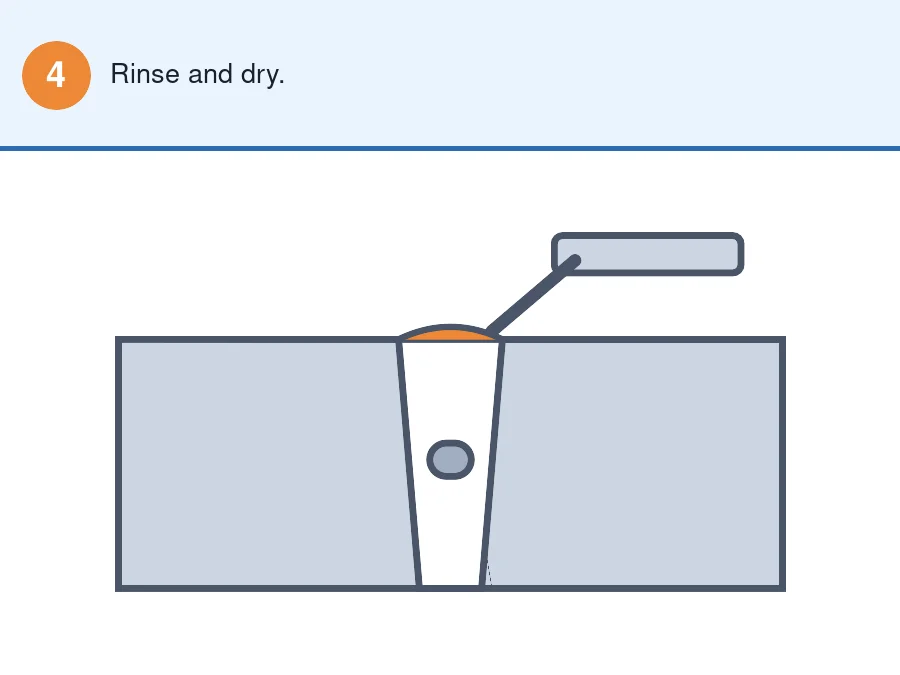
4. Rinse and dry. Some fillers go on a damp surface, but most need dry. Read the label.
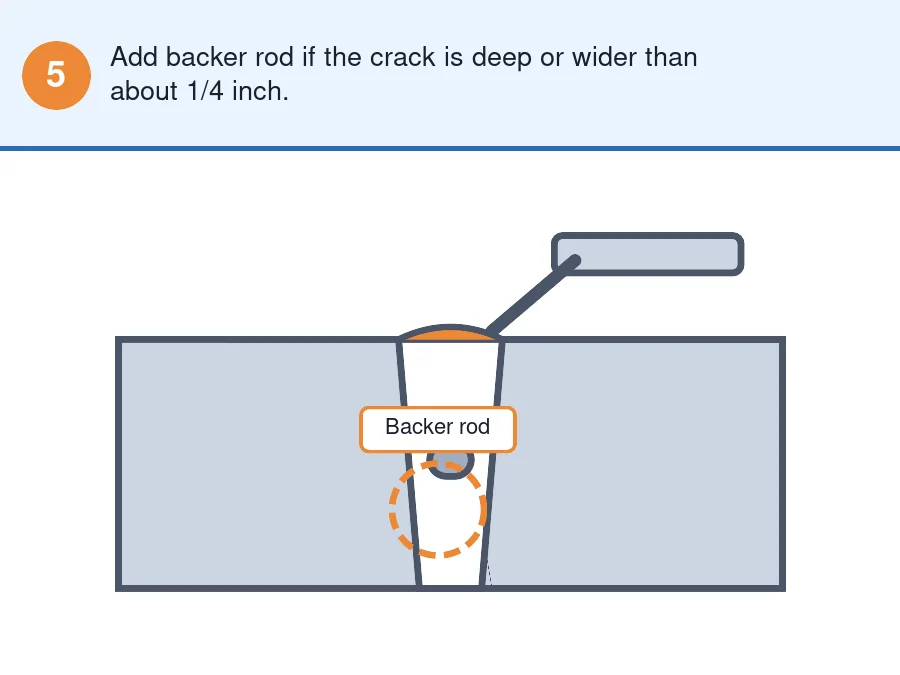
5. Add backer rod if the crack is deep or wider than about 1/4 inch. Press the foam rod into the crack so it sits a half inch below the surface. This stops the filler from sinking too far.
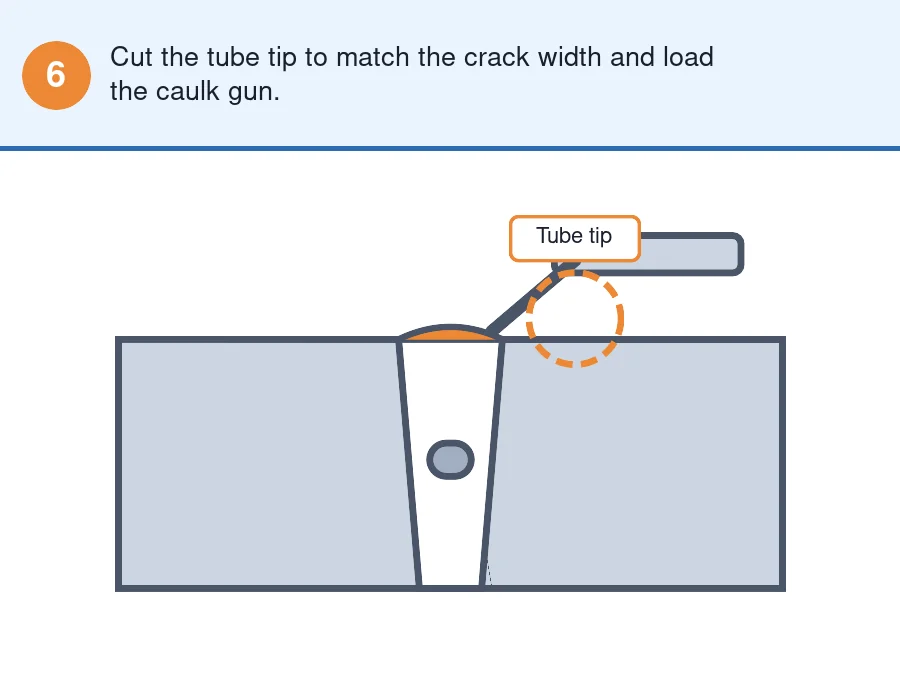
6. Cut the tube tip to match the crack width and load the caulk gun.
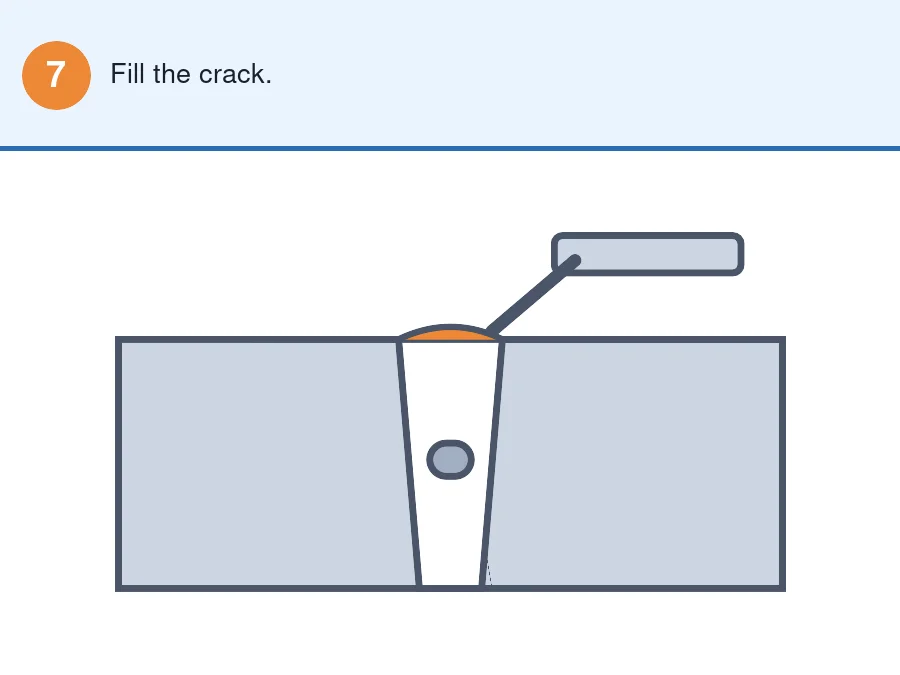
7. Fill the crack. Run the tip along the crack, filling it from the bottom. Slightly overfill, since many fillers settle.
8. Smooth. Use a putty knife or a scraper to level the filler with the surface. Work it in.
9. Keep traffic off. Follow the cure time on the label before driving on it. Blocking the area with cones or tape helps.
10. Seal the driveway if you want a full finish. See product instructions.
Prevent more cracks
Keep water from pooling on the driveway. Fix gutters and direct downspouts away from the slab. See Downspout drainage: how to direct water away from your house. Reseal every few years with a concrete sealer, and avoid heavy vehicles on edges.
When to replace
If a section is sinking or crumbling, the slab may need mud-jacking, raising or replacing. A concrete contractor can look at it and give options.
Choosing the right filler for the crack
For hairline cracks under about 1/8 inch, a thin liquid crack sealer can soak in and seal the surface. For cracks 1/8 to 1/2 inch, use a flexible polyurethane or self-leveling sealant in a tube, since it moves slightly with the slab. For wider cracks or chipped edges, use a vinyl concrete patch, pressed in with a trowel. Avoid ordinary cement mortar for thin cracks, since it is rigid and cracks again at the edges.
Timing and weather
Fill cracks in spring or fall, when the crack is at a moderate width. In hot weather, the crack is narrow and the filler can squeeze out in winter. In freezing weather, the filler may not cure. Keep rain off the repair until it is cured, and cover it with plastic if rain is forecast.
How long a repair lasts
A good repair lasts a few years. Check the filler each spring and add more where it has shrunk. Cracks that keep opening after repeated repairs point to movement in the base or poor drainage, and a contractor should look at them.
Related guides
- How to Patch a Hole in Vinyl Siding Without Replacing the Panel
- How to Clean a Concrete Patio or Driveway and Remove Stains
- How to Spot Termite Damage: Signs to Look For and What to Do Next
- How to Deal With a Wasp Nest Safely: When to DIY and When to Call a Pro
- How to Fill a Concrete Joint Crack
FAQ
Is hairline cracking normal?
Yes. Concrete shrinks as it cures, and small cracks are common.
What filler should I use?
A flexible concrete crack filler or self-leveling sealant made for outdoors.
Do I need a backer rod?
For wide or deep cracks, yes. It saves filler and gives a better result.
Will filler stop the crack?
It seals the crack but does not stop movement.
More from this topic
- How to Repair a Cracked Patio Slab: How to repair a cracked patio slab: test for movement, read the crack pattern, fix the water, then seal,...
- How to Seal a Concrete Driveway: Learn how to seal a concrete driveway: test for cure and moisture, clean and patch first, apply sealer in...
- How to Patch a Hole in Vinyl Siding: Learn how to patch a hole in vinyl siding with caulk, a patch piece or a replacement section. Simple steps...
- How to Remove Weeds From Driveway Cracks and Keep Them Away: Learn how to remove weeds from driveway cracks with a weeding tool, boiling water or vinegar, then fill the...
- How to Repair a Cracked Driveway Apron: How to repair a cracked driveway apron: what the street joint and runoff do, when a patch is wasted, who is...
 Garage and OutdoorsHow to Repair a Cracked Patio SlabHow to repair a cracked patio slab: test for movement, read the crack pattern, fix the water, then seal, patch, lift or replace.
 Garage and OutdoorsHow to Seal a Concrete DrivewayLearn how to seal a concrete driveway: test for cure and moisture, clean and patch first, apply sealer in even coats and know how often to reseal.
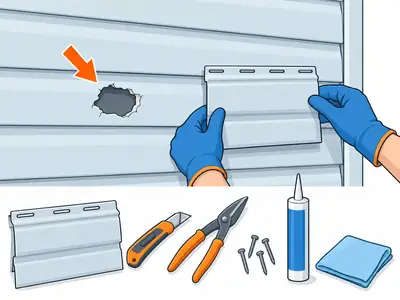 Garage and OutdoorsHow to Patch a Hole in Vinyl SidingLearn how to patch a hole in vinyl siding with caulk, a patch piece or a replacement section. Simple steps for small holes and cracks to keep water out.
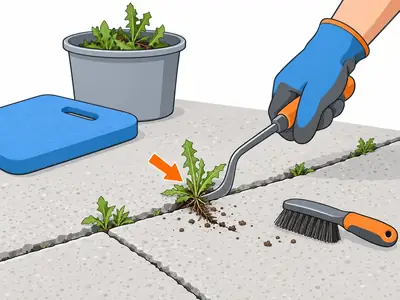 Garage and OutdoorsHow to Remove Weeds From Driveway Cracks and Keep Them AwayLearn how to remove weeds from driveway cracks with a weeding tool, boiling water or vinegar, then fill the cracks and stop weeds from coming back.
 Garage and OutdoorsHow to Repair a Cracked Driveway ApronHow to repair a cracked driveway apron: what the street joint and runoff do, when a patch is wasted, who is responsible, and how to keep water out.