
How to Deal With a Wasp Nest Safely
Part of: Outdoors and garage
- Difficulty
- Moderate to risky
- Time
- 30 minutes plus follow-up
- Tools
- Wasp and hornet spray with a long range, long sleeves, long pants, gloves, closed shoes, hat and veil, flashlight with red filter, ladder (only if the nest is low)
- Call a pro if
- Anyone in the home is allergic to stings, the nest is large, above the second story, inside a wall or attic, or near a power line, or you see hornets or yellow jackets in the ground.
In this guide
- Ladder safety
You notice a few wasps hovering under the porch roof. A week later there is a gray, papery nest the size of your palm. Early in the season nests are small, but they grow fast. A nest near an entry, a play area or a grill can mean stings. Here is how to deal with a wasp nest safely, and when to leave it to a professional.
This guide is part of our wider guide to garage, decks, fences and yard care.
Identify what you have
- Paper wasps build open, umbrella-shaped nests with visible cells, often under eaves, railings and door frames. They are not usually aggressive unless the nest is disturbed.
- Yellow jackets often nest in the ground or in wall voids. They can be more aggressive.
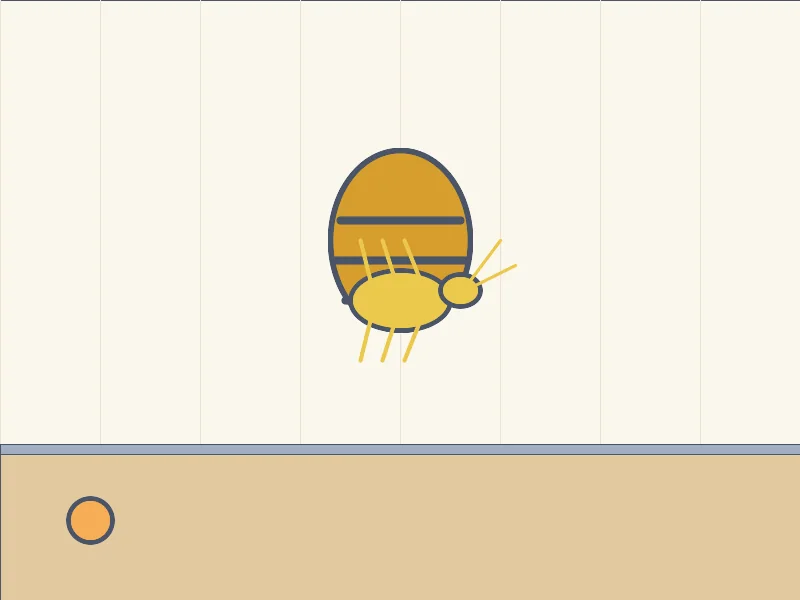
- Hornets make large, gray, football-shaped paper nests in trees and under roofs.
- Bees. Honey bees are important pollinators and may be protected in your area. If you see a swarm or a bee colony, call a beekeeper or your local extension office. Do not spray bees.
If you are not sure, take a photo from a distance and ask a pest professional.
Decide whether to DIY
A small, open paper wasp nest that is low and easy to reach may be a DIY job for someone without allergies. Anything else should be handled by a pro. This includes nests in walls, in attics, on high eaves, in the ground or nests of hornets or yellow jackets. A professional has the gear and training to avoid being stung.
Timing
Wasps are less active in cool temperatures. Treat a nest at dusk or at dawn, when most are inside and less active. Use a flashlight with a red filter, because wasps cannot see red light as well. Do not shine a bright white light on the nest.
Dress for it
Wear long sleeves, long pants, gloves, closed shoes and socks, a hat and a veil or goggles. Tuck pants into socks. Wasps will go for any gap. Do not wear dark or loose clothing.
Use a long-range wasp spray
Buy a wasp and hornet spray made to shoot a solid stream that reaches 10 feet or more. Read the label. Stand at the safe distance the label gives, on a clear escape path, and spray the nest's opening in a steady stream for the time stated. Then leave the area. Do not stay to watch. Come back the next morning and check. Repeat if you see activity.
Remove the nest
Once there is no activity, knock the nest down with a long pole, wear gloves, and put it in a sealed bag and the trash. Spray the spot with a bit of soapy water to remove the scent that attracts new wasps. Do not seal a hole in a wall if wasps are inside, since they can chew into the house. Call a pro instead.
What not to do
Do not knock down a nest without treating it. Do not use fire, gasoline or water. Do not spray from below if the stream may fall on you. Do not do it alone, especially at height. Tell someone nearby.
Keep them away
Seal gaps in eaves and siding. Keep trash lids tight and clean up sweet spills and pet food. Check around the house early each spring for small nests and knock them down while they are tiny, using the same care. Hang decoy nests if you like, but evidence on them is mixed.
Related guides
- How to Insulate a Garage Door With a DIY Kit and Cut Drafts
- How to Clean a Concrete Patio or Driveway and Remove Stains
- How to Spot Termite Damage: Signs to Look For and What to Do Next
- How to Repair a Concrete Driveway Crack
FAQ
Is it okay to leave a nest alone?
If it is far from where people go, yes. Wasps rarely return to old nests.
Do traps work?
They can reduce numbers but do not remove a nest.
What if I get stung?
Wash with soap and water, apply a cold pack and watch for allergic signs. Seek care for any severe reaction.
More from this topic
- How to Heat a Garage Safely in Winter: Learn how to heat a garage safely: compare electric, propane and infrared heaters, size the heater to the...
- How to Remove a Tree Stump Safely: Learn how to remove a tree stump safely: check the utilities, dig around the roots, cut them, rock the stump...
- How to Remove Ice From a Walkway Without Damage: Learn how to remove ice from a walkway without damage: shovel early, pick a de-icer safe for concrete, and...
- How to Use a Leaf Blower Safely and Efficiently: Learn how to use a leaf blower safely: work with the wind, use the right technique, and clear leaves without...
- How to Use a Pressure Washer Safely on Any Surface: Learn how to use a pressure washer safely: pick the right nozzle and pressure, keep the right distance, and...
 Garage and OutdoorsHow to Remove a Tree Stump SafelyLearn how to remove a tree stump safely: check the utilities, dig around the roots, cut them, rock the stump out and fill the hole so nothing settles.
 Garage and OutdoorsHow to Remove Ice From a Walkway Without DamageLearn how to remove ice from a walkway without damage: shovel early, pick a de-icer safe for concrete, and avoid the tools that crack slabs and kill plants.
 Garage and OutdoorsHow to Use a Leaf Blower Safely and EfficientlyLearn how to use a leaf blower safely: work with the wind, use the right technique, and clear leaves without the noise and dust mistakes.
 Garage and OutdoorsHow to Use a Pressure Washer Safely on Any SurfaceLearn how to use a pressure washer safely: pick the right nozzle and pressure, keep the right distance, and avoid the mistakes that damage.