
How to Heat a Garage Safely in Winter
Part of: Outdoors and garage
- Difficulty
- Easy to moderate
- Time
- An hour to plan, plus installation time
- Tools
- A tape measure, the heater, a carbon monoxide alarm, and for hardwired units, an electrician
- Call a pro if
- You are considering a gas heater that needs a gas line or venting, or a hardwired electric unit on a new circuit, since those need licensed trades.
In this guide
- Gas safety
A cold garage limits what you can do out there for half the year. The right heater changes that, but garages have fuel, fumes and clutter, so safety picks the heater for you. Here is how to heat a garage safely.
1. Seal and insulate first
1. A heater in a drafty garage heats the outdoors.
2. Seal gaps around doors and windows and weatherstrip the big door.
3. Insulate the walls and ceiling where you can; our guide on insulating a garage walks through it.
4. Even the door alone makes a big difference; an insulation kit pays back quickly.
2. Work out the heat you need
1. Measure the garage's length, width and ceiling height.
2. Heaters are sized in watts or BTUs; the colder your winters and the worse your insulation, the more you need.
3. A typical insulated two car garage in a moderate climate heats comfortably with a mid-size electric unit.
4. Uninsulated garages in cold climates need substantially more, or targeted heat at the workbench instead.
3. Choose the heater type
- Electric fan or ceramic heaters: cheap, portable, no fumes; best for small spaces and occasional use.
- Infrared heaters: warm people and objects, not air; good for a workbench zone in a drafty space.
- Ceiling mounted electric units: permanent, powerful and out of the way; most need a dedicated circuit.
- Vented gas unit heaters: strong whole-garage heat, but need gas lines and venting installed by a pro.
- Avoid unvented propane or kerosene heaters indoors; the fumes are dangerous in enclosed spaces.
4. Pick a safe location
1. Keep three feet of clearance on all sides, more near vehicles and the workbench.
2. Mount wall and ceiling units high, angled toward the work area.
3. Keep heaters away from where car doors open and where you walk carrying lumber or tools.
4. Never point a heater at a vehicle's fuel system or tires.
5. Sort the electrical side
1. Check the heater's draw; big units need a dedicated circuit.
2. Never run a heater from an extension cord or a power strip.
3. Plug portable units straight into a wall outlet with nothing else on it.
4. If you need a new circuit or a hardwired unit, that is an electrician's job. Our guide on finding your electrical panel and labeling breakers helps you understand what you have.
6. Fit the safety gear
1. Install a carbon monoxide alarm at breathing height, even with electric heat.
2. Keep a fire extinguisher rated for flammable liquids within reach.
3. Choose heaters with tip-over shutoff and overheat protection.
4. Test the alarms and the shutoffs before relying on them.
7. Run it sensibly
- Heat the space only while you use it; a timer or thermostat keeps costs down.
- Let fuel fumes from mowers and cans vent before switching any heater on.
- Store paint, solvents and gasoline away from the heater, ideally in a metal cabinet.
- Turn portable heaters off when you leave, every time.
8. Maintain it
- Vacuum dust off heater elements and fans before each season; dust smells and burns.
- Check cords and plugs for damage yearly.
- Test the carbon monoxide alarm monthly and replace batteries on schedule.
- Have gas units serviced annually like any fuel appliance.
Common mistakes
- Running unvented fuel heaters in a closed garage.
- Powering a big heater from an extension cord.
- Pointing the heater at the car or the paint shelf.
- Skipping insulation, then buying a second heater to fight the drafts.
- Leaving a heater running overnight or while out.
Related guides
- How to Babyproof a Garage
- How to Prepare a Garage for Winter
- How to Clean a Garage Floor Drain
- How to Seal a Garage Floor
- How to Clean a Garage Door Track
- How to Fix Garage Door Sensor Alignment
FAQ
What is the safest heater for a garage?
A sealed electric unit with tip-over and overheat protection, mounted clear of clutter. It produces no fumes and nothing to spill.
Can I use a propane heater in my garage?
Only vented units designed for indoor use, professionally installed. Portable unvented propane heaters are for open or well ventilated spaces only.
How much does it cost to heat a garage?
It depends on your climate, insulation and electricity rates. Insulating first and heating only while you work keeps costs low.
Why does my garage heater keep tripping the breaker?
The circuit is overloaded. Heaters draw a lot; move other loads off the circuit or have a dedicated one installed.
More from this topic
- How to Use a Space Heater Safely at Home: Learn how to use a space heater safely: pick a safe spot, plug straight into the wall, keep clear of anything...
- How to Babyproof a Garage: Learn how to babyproof a garage: lock up tools and chemicals, secure the door, cover outlets, and make the...
- How to Deal With a Wasp Nest Safely: How to deal with a wasp nest safely: identify the nest, pick the safest timing and gear, and know when to...
- How to Install a Workbench in a Garage: How to install a workbench in a garage: pick the height, anchor a ledger to the studs, build a solid frame,...
- How to Insulate a Garage for Year-Round Comfort: Learn how to insulate a garage: seal air leaks first, insulate walls and the ceiling, fit the garage door,...
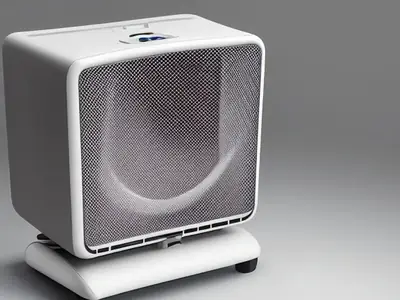 SafetyHow to Use a Space Heater Safely at HomeLearn how to use a space heater safely: pick a safe spot, plug straight into the wall, keep clear of anything that burns and never leave it running unattended.
 Garage and OutdoorsHow to Babyproof a GarageLearn how to babyproof a garage: lock up tools and chemicals, secure the door, cover outlets, and make the space safe for kids.
 Garage and OutdoorsHow to Deal With a Wasp Nest SafelyHow to deal with a wasp nest safely: identify the nest, pick the safest timing and gear, and know when to call a pest professional instead.
 Garage and OutdoorsHow to Install a Workbench in a GarageHow to install a workbench in a garage: pick the height, anchor a ledger to the studs, build a solid frame, and top it with a surface that lasts.
 Garage and OutdoorsHow to Insulate a Garage for Year-Round ComfortLearn how to insulate a garage: seal air leaks first, insulate walls and the ceiling, fit the garage door, and ventilate so moisture stays out.