
How to Use a Space Heater Safely at Home
Part of: Electrical safety
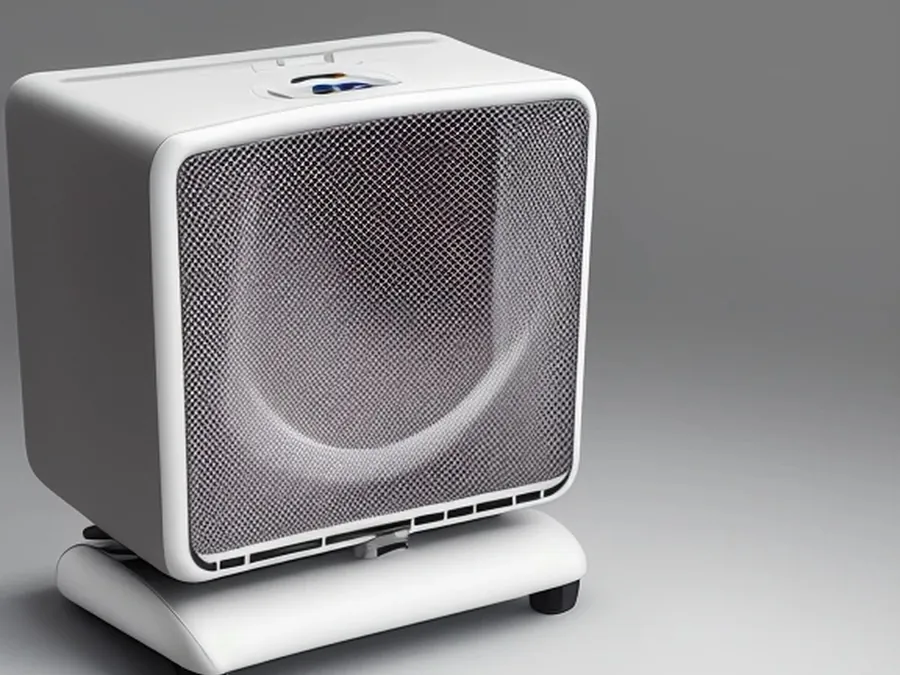
- Difficulty
- Easy
- Time
- 10 minutes
- Tools
- Space heater with tip over and overheat shutoff, smoke alarm, carbon monoxide alarm, outlet tester
- Call a pro if
- The outlet, cord or faceplate feels hot, the plug is scorched, the heater trips the breaker, or you need heat for a whole room. Call an electrician or an HVAC pro.
In this guide
- Choose a safe heater
- Read the manual
- Give it three feet of space
- Put it on a hard, level floor
- Plug it straight into the wall
- Keep water and children away
- Never leave it unattended
- Check the plug and outlet during use
- Choose the right kind of heater for the room
- Add safeguards
- Quick tips
- When to stop and call a pro
- Related guides
- Common mistakes
- FAQ
- References
- Power off first
A space heater can warm the room you are sitting in, but most heater fires come from placement, cords and being left alone with something flammable. The US Consumer Product Safety Commission (CPSC) estimates that portable heaters, including electric space heaters, were involved in an average of about 1,700 fires a year, with 70 deaths and 160 injuries, between 2017 and 2019. According to the NFPA (National Fire Protection Association), space heaters and heating stoves account for 30 percent of home heating fires and 73 percent of the deaths from them. Here is how to use a space heater safely.
1. Choose a safe heater
1. Look for a mark from a recognized testing laboratory, such as UL, on the heater itself.
2. Choose a model with an automatic tip over shutoff and overheat protection.
3. Check the CPSC recall list at SaferProducts.gov before you use an older or second hand unit.
4. Do not use a heater with a damaged cord, plug, grille or housing, and do not repair one yourself.
2. Read the manual
1. Check the room size the heater is rated for. A small heater cannot warm a large room safely.
2. Note the watts and amps, since that decides what the outlet can carry.
3. Follow the clearance the manufacturer gives for walls, furniture and floors.
4. Keep the manual where you can find it next winter.
3. Give it three feet of space
1. Keep curtains, bedding, sofas, clothes, paper and furniture at least three feet from the front, sides and rear of the heater.
2. Do not point it at a wall, a bed or a drying rack.
3. Keep it away from paint, aerosols and anything else flammable.
4. Never use a heater to dry clothes or towels.
4. Put it on a hard, level floor
1. Stand it on a flat, stable, non-flammable surface where it cannot be knocked over.
2. Do not put it on a rug or carpet unless the manufacturer allows it.
3. Keep it out of doorways, walkways and anywhere a pet or a child will brush past it.
4. Never place it on furniture, a counter or a shelf.
5. Plug it straight into the wall
1. Use a wall outlet, never an extension cord or a power strip. Heaters pull more current than those are built for.
2. Check that the plug fits tightly. A loose plug in a worn outlet overheats.
3. Do not share the outlet with another heavy load, such as a microwave or another heater.
4. Do not run the cord under a rug, under furniture or across a doorway.
6. Keep water and children away
1. Keep the heater out of bathrooms and away from sinks, tubs and wet floors unless it is rated for damp locations.
2. Never touch a heater with wet hands.
3. Teach children not to touch it, and use a guard if the model has one.
4. Keep pets from lying against it.
7. Never leave it unattended
1. Turn it off when you leave the room.
2. Turn it off before you sleep. CPSC's guidance is never to run one while unattended or sleeping.
3. Turn it off and unplug it when the room is empty for the day.
4. Do not leave it running for a pet.
8. Check the plug and outlet during use
1. Feel the plug, the cord, the outlet and the faceplate after the heater has run for a while.
2. If any of them is hot, discolored or smells like burning, unplug the heater and stop using it.
3. Have an electrician check the outlet before you use anything heavy in it again.
4. Clean dust from the vents and grille as the manual directs.
9. Choose the right kind of heater for the room
1. Electric heaters are the only type safe to use indoors without venting.
2. Do not use a portable kerosene or propane heater indoors at all.
3. A vent free gas heater is legal in some places, but only with CO alarms and never in a bedroom or bathroom. Check your local code.
4. Never use a stove, an oven or a grill to heat a home, since they produce carbon monoxide.
10. Add safeguards
1. Test the smoke alarms on every level, and keep one outside each sleeping area.
2. Install carbon monoxide alarms on every level, since a fuel burning heater or a blocked flue can produce CO.
3. Keep a fire extinguisher in the kitchen and know how to use it.
4. Plan two ways out of each room, and practice it with everyone in the home.
Quick tips
- Use the heater only in the room you are in, for the time you are there.
- Check the cord and plug every time you plug it in.
- Keep a three foot clear zone marked with tape on the floor if children or pets are in the house.
- If you rely on a space heater every day, ask an HVAC pro why the room is cold, since the real fix is usually ducts or insulation.
When to stop and call a pro
Stop using a heater at once if the plug, cord, outlet or faceplate feels hot, looks discolored or smells like burning, or if the heater trips the breaker. Unplug it and have an electrician inspect the outlet and the circuit. If the room needs a heater to stay usable, the problem is usually the heating system, insulation or ducts, so ask an HVAC pro rather than adding a second heater. If a heater catches fire, get everyone out and call 911, and never throw water on an electrical fire.
Related guides
- Extension cord safety for homeowners
- Power strip overload: how to spot it
- How to install a carbon monoxide detector
Common mistakes
- Using an extension cord or power strip.
- Leaving it on overnight or while out of the house.
- Placing it near curtains, bedding or a drying rack.
- Drying clothes on it.
- Ignoring a hot plug or a scorched outlet.
- Running a kerosene or propane heater indoors.
FAQ
Can I leave a space heater on all night?
No. CPSC's guidance is never to run one while you are sleeping or unattended.
Can I plug it into a power strip?
No. Use a wall outlet, and check that the plug fits tightly.
How far should it be from furniture?
At least three feet from the front, sides and rear, including curtains, bedding and paper.
Are oil filled heaters safer?
They have no glowing element and no fan, which lowers the ignition risk, but they still need three feet of clearance, a wall outlet and the same supervision.
Are vent free gas heaters safe indoors?
They are legal in some places with CO alarms and clearance rules, but they add moisture and CO to the room. Never use one in a bedroom or bathroom, check your local code, and keep working CO alarms on every level.
References
More from this topic
- How to Use a Generator Safely During a Power Outage: Learn how to use a generator safely: run it outdoors far from the home, keep CO alarms working, fuel it...
- Extension Cord Safety for Homeowners: Extension cord safety for homeowners: choose the right gauge and length, avoid overload and know when to stop...
- How to Use a Fire Extinguisher in Your Home: Learn how to use a fire extinguisher with the PASS steps: pull, aim, squeeze and sweep. Know when to fight a...
- How to Heat a Garage Safely in Winter: Learn how to heat a garage safely: compare electric, propane and infrared heaters, size the heater to the...
- How to Clean a Dryer Vent to Prevent Fires: Learn how to clean a dryer vent safely: unplug the dryer, detach the hose, brush out lint, check the outside...
 SafetyExtension Cord Safety for HomeownersExtension cord safety for homeowners: choose the right gauge and length, avoid overload and know when to stop using a cord. Simple rules to prevent fires.
 SafetyHow to Use a Fire Extinguisher in Your HomeLearn how to use a fire extinguisher with the PASS steps: pull, aim, squeeze and sweep. Know when to fight a small fire and when to get out and call 911.Garage and OutdoorsHow to Heat a Garage Safely in WinterLearn how to heat a garage safely: compare electric, propane and infrared heaters, size the heater to the space, and avoid fire and fume risks.
 SafetyHow to Clean a Dryer Vent to Prevent FiresLearn how to clean a dryer vent safely: unplug the dryer, detach the hose, brush out lint, check the outside vent and prevent fires and slow drying.