
How to Use a Fire Extinguisher in Your Home
Part of: Electrical safety
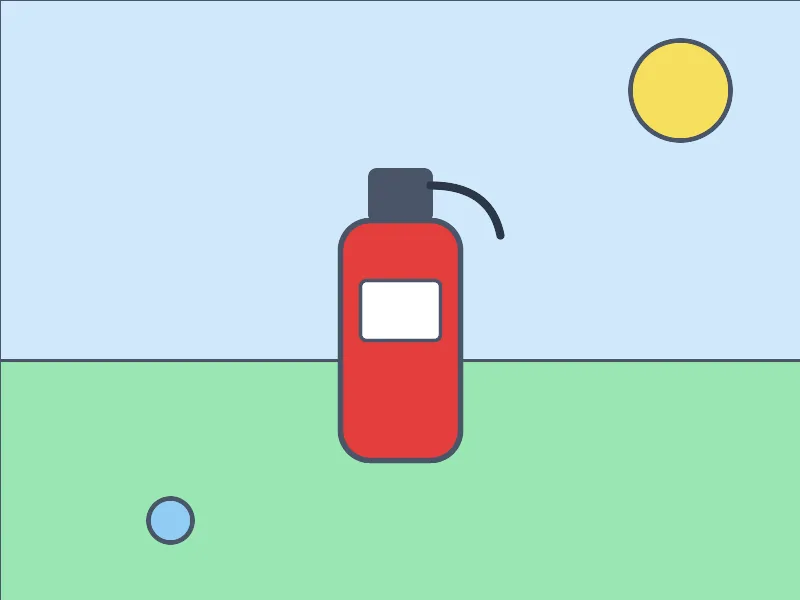
- Difficulty
- Easy
- Time
- 5 minutes to learn, seconds to use
- Tools
- Fire extinguisher rated for home use, smoke alarms, a clear exit path
- Call a pro if
- The fire is bigger than a small trash can, spreads fast, fills the room with smoke or blocks your exit. Leave and call 911.
In this guide
A fire extinguisher can stop a small fire before it grows, but only if you know how to use it. There is little time to read the label in an emergency. Learn the steps now. Here is how to use a fire extinguisher at home.
1. Decide whether to fight the fire
1. Make sure someone is calling 911 or has already done so.
2. Fight the fire only if it is small and contained, such as in a wastebasket or on a pan.
3. Keep your back to a clear exit.
4. If the fire grows, you cannot put it out in a few seconds, or smoke is heavy, leave.
2. Know your extinguisher
1. Look at the label for the fire types it covers.
2. Many home units cover ordinary materials, flammable liquids and electrical fires.
3. Check the pressure gauge. The needle should be in the green zone.
4. Know where it is kept, such as near the kitchen exit.
3. Pull the pin
1. Hold the extinguisher upright.
2. Pull the pin that locks the handle. It may need a firm tug.
3. Break the tamper seal if there is one.
4. Keep the nozzle pointed away from you.
4. Aim low
1. Stand about six to eight feet from the fire.
2. Point the nozzle at the base of the flames, not the top.
3. The base is where the fuel is.
4. Stay between the fire and your exit.
5. Squeeze the handle
1. Squeeze the handle slowly and evenly.
2. Release to stop the spray.
3. Do not drop the extinguisher once you start.
4. Keep it upright.
6. Sweep side to side
1. Sweep the spray across the base of the fire.
2. Move slowly closer if the fire shrinks.
3. Keep going until the flames are out.
4. Watch for flare ups.
7. Watch the area
1. Stay back and keep watching for several minutes.
2. If the fire restarts, use the extinguisher again or leave.
3. Do not turn your back on the spot.
4. Have the fire department check the area.
8. Recharge or replace
1. An extinguisher that has been used must be refilled or replaced, even if it still feels full.
2. Check the gauge monthly.
3. Replace it when the maker says, usually after about ten years for many models.
4. Keep a working smoke alarm on every level of your home.
Quick tips
- Practice the pull, aim, squeeze and sweep steps with a family member, without a real discharge.
- Keep an extinguisher in the kitchen and one near the garage or workshop.
- Never use water on a grease fire. Slide a lid over a pan fire if you can, and turn off the heat.
- Make sure everyone in the home knows where the extinguisher is stored.
When to stop and call a pro
Never fight a fire that has spread to the walls or ceiling, a fire that blocks the only way out, or a fire in a room filling fast with smoke. Never try to use an extinguisher when you feel unsafe, when the unit is empty or the gauge reads low. A small fire can double in size in under a minute. If the fire involves a gas appliance, leave and call the gas company or 911 from outside. After any fire, even a small one, have the fire department check the area, since fire can hide in walls and insulation.
Related guides
- How to choose and place a fire extinguisher
- How to place smoke and carbon monoxide detectors
- How to test if a smoke or CO detector works
Common mistakes
- Aiming at the top of the flames.
- Standing between the fire and the exit.
- Using water on a grease or electrical fire.
- Skipping the monthly gauge check.
- Staying to fight a growing fire.
FAQ
What does PASS stand for?
Pull, aim, squeeze and sweep.
How long does an extinguisher last?
A typical home unit lasts several seconds to about half a minute.
Can I use it on a grease fire?
Only if the label says it is rated for that type.
Should I call 911 first?
Yes. Call, then decide whether to fight a small fire.
More from this topic
- How to Choose and Place a Fire Extinguisher at Home: Learn how to choose and place a fire extinguisher: pick the right class and size, put it near exits, mount it...
- How to Maintain a Fire Extinguisher: Learn how to maintain a fire extinguisher: monthly checks, pressure readings, placement, and when to service...
- How to Reduce Kitchen Fire Hazards: Reduce kitchen fire hazards with safe cooking habits, clean grease surfaces, working smoke alarms, and the...
- Power Strip Overload: How to Spot It: Power strip overload can melt plugs and start fires. Learn the warning signs, how to add up watts and which...
- How to Use a Space Heater Safely at Home: Learn how to use a space heater safely: pick a safe spot, plug straight into the wall, keep clear of anything...
 SafetyHow to Choose and Place a Fire Extinguisher at HomeLearn how to choose and place a fire extinguisher: pick the right class and size, put it near exits, mount it at a safe height and check it stays ready.
 SafetyHow to Maintain a Fire ExtinguisherLearn how to maintain a fire extinguisher: monthly checks, pressure readings, placement, and when to service or replace it.
 SafetyHow to Reduce Kitchen Fire HazardsReduce kitchen fire hazards with safe cooking habits, clean grease surfaces, working smoke alarms, and the right way to handle a grease fire.
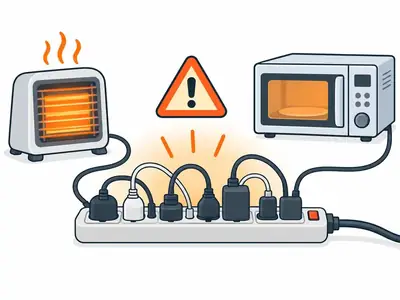 SafetyPower Strip Overload: How to Spot ItPower strip overload can melt plugs and start fires. Learn the warning signs, how to add up watts and which devices should never share a strip.
 SafetyHow to Use a Space Heater Safely at HomeLearn how to use a space heater safely: pick a safe spot, plug straight into the wall, keep clear of anything that burns and never leave it running unattended.