
How to Choose and Place a Fire Extinguisher at Home
Part of: Electrical safety
- Difficulty
- Easy
- Time
- 30 minutes to set up, plus a monthly check
- Tools
- Tape measure, drill and screws or a mounting bracket, a flashlight, a phone for a reminder, the extinguisher's label and manual
- Call a pro if
- You have a fire that has already started, smoke is spreading, or you are unsure whether a fire is out, since the right response is to leave and call the fire service, not to fight it.
In this guide
- Understand the classes
- Pick one for the kitchen and one for the rest
- Size it to the person using it
- Place it near the exit, not next to the hazard
- Keep it visible and unobstructed
- Learn how to use it before you need it
- Check it regularly
- Add the other basics
- Know when to walk away
- Common mistakes
- Related guides
- FAQ
- When to call a pro
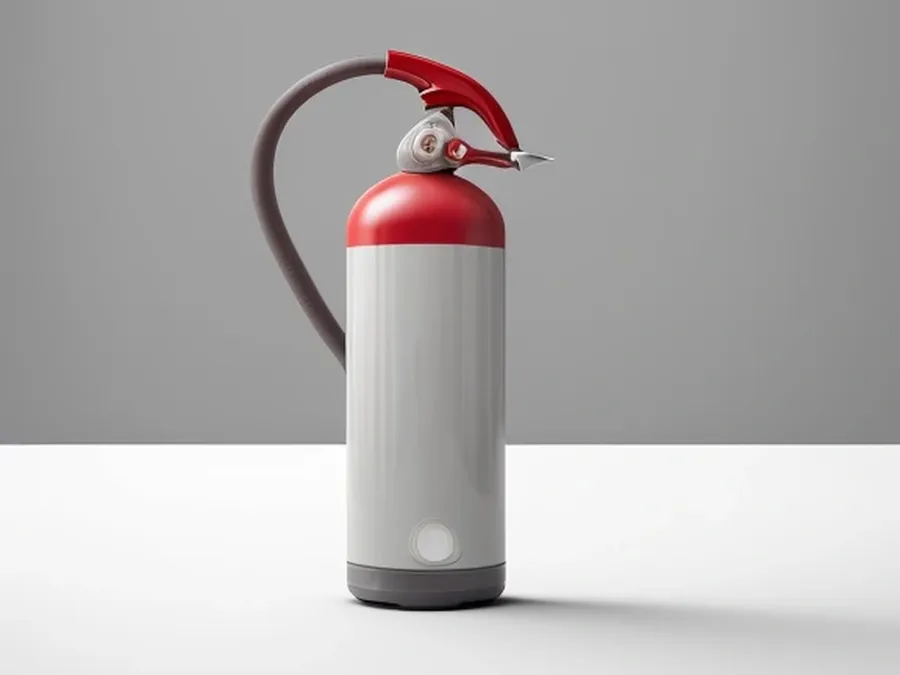
Most homes have no extinguisher, or one that has sat in a cabinet for fifteen years, out of pressure and out of reach. Choosing one is simple once you know the classes, and placing it well matters as much as buying it. Here is how to choose and place a fire extinguisher so it is actually useful in the moment.
1. Understand the classes
Extinguishers are rated by what they can put out:
- Class A: ordinary combustibles such as wood, paper, cloth and furniture.
- Class B: flammable liquids such as cooking oil, gasoline, paint and solvents.
- Class C: electrical fires, meaning fires in live equipment.
- Class D: metals, which is not a household concern.
- Class F or K: cooking oils and fats in a kitchen, which is a specific and common household risk.
Most household extinguishers are ABC dry powder, which covers the common fires in a home but makes a mess and can damage electronics. A carbon dioxide extinguisher is clean and good for electrical fires but not for Class A. A wet chemical extinguisher is the right one for a kitchen with a deep fryer.
2. Pick one for the kitchen and one for the rest
Two extinguishers cover most homes well:
- A small ABC dry powder or a wet chemical for the kitchen, mounted away from the cooker.
- An ABC dry powder near the main exit or the hallway for general use.
A single ABC extinguisher is far better than none. Two, in the right places, is better still.
3. Size it to the person using it
A larger extinguisher holds more but weighs more. A 5 lb (2 kg) unit is manageable for most adults; a 20 lb (9 kg) unit is heavy and awkward for many people to hold and aim.
Pick one that the smallest adult in the house can lift and hold at arm's length. A big extinguisher nobody can lift is a decoration.
4. Place it near the exit, not next to the hazard
This is the rule people get wrong. An extinguisher stored beside the cooker is behind the fire when you need it.
- Mount it on the way out of the kitchen, near the door, so you can grab it and still have an escape route behind you.
- Put the general one in a hallway or near the main exit, visible and easy to reach.
- Keep it out of reach of children, but not locked away.
- Mount it at about handle height, roughly waist to chest, so you do not have to reach up or bend down.
5. Keep it visible and unobstructed
An extinguisher behind a coat rack or under a sink is an extinguisher you will not find. Mount it on a wall bracket, in plain sight, with nothing in front of it. Do not store it in a cabinet.
6. Learn how to use it before you need it
The sequence most services teach:
1. Pull the pin.
2. Aim at the base of the fire, not the flames.
3. Squeeze the handle.
4. Sweep from side to side across the base.
Read the label on your own extinguisher, since the operation differs slightly. Stand with your back to an exit, and stay about six feet back.
7. Check it regularly
- Once a month, check the pressure gauge is in the green and the pin and seal are intact.
- Once a year, invert a dry powder extinguisher gently to stop the powder compacting, if the manufacturer allows it.
- Replace or service it at the date on the label; dry powder typically has a limited life and the powder can cake.
Set a phone reminder for the monthly check. An extinguisher that fails when used is worse than none, because you will have relied on it.
8. Add the other basics
An extinguisher is one part of fire safety, not the whole of it:
- Working smoke alarms on every level and near bedrooms.
- A carbon monoxide alarm if you have any fuel-burning appliance.
- A fire blanket in the kitchen for a pan fire.
- A clear escape route and a plan that everyone has practiced. Our guide on making a home fire escape plan covers the plan.
- Keep the cooktop clear and never leave cooking unattended.
9. Know when to walk away
If the fire is spreading, if the room is filling with smoke, if the extinguisher runs out, or if you are unsure, leave and call the fire service. Close the door behind you if you can. Property is replaceable.
Common mistakes
- Keeping the extinguisher next to the cooker, where the fire is.
- Buying one too heavy for anyone in the house to lift.
- Never checking the gauge or the expiry date.
- Using water on a cooking oil fire.
- Fighting a fire with no clear escape route behind you.
Related guides
- How to Test Your Home for Radon: Steps, Timing and What the Result Means
- How to Replace a Hardwired Smoke Detector Safely
- How to Prepare for a Power Outage: Kit, Food, Heat and Generator Safety
FAQ
What type of fire extinguisher should I have at home?
An ABC dry powder for general use, plus a wet chemical or a fire blanket in the kitchen. Carbon dioxide is a good choice for electrical equipment.
Where should a fire extinguisher be mounted?
Near an exit, on the way out of the room, at about waist to chest height, visible and unobstructed.
How often should I replace a fire extinguisher?
Follow the manufacturer's date, typically 5 to 15 years depending on type, and check the gauge monthly. A discharged or out-of-date unit should be replaced.
Can I use one extinguisher for everything?
An ABC covers most household fires but is poor for cooking oil and makes a mess of electronics. A kitchen-specific extinguisher or a fire blanket is worth having.
More from this topic
- How to Use a Fire Extinguisher in Your Home: Learn how to use a fire extinguisher with the PASS steps: pull, aim, squeeze and sweep. Know when to fight a...
- How to Maintain a Fire Extinguisher: Learn how to maintain a fire extinguisher: monthly checks, pressure readings, placement, and when to service...
- How to Reduce Kitchen Fire Hazards: Reduce kitchen fire hazards with safe cooking habits, clean grease surfaces, working smoke alarms, and the...
- How to Build a Home Emergency Kit for Power Outages: Learn how to build a home emergency kit: stock water, food, light, power, medicine and papers for at least...
- How to Clean a Dryer Vent to Prevent Fires: Learn how to clean a dryer vent safely: unplug the dryer, detach the hose, brush out lint, check the outside...
 SafetyHow to Use a Fire Extinguisher in Your HomeLearn how to use a fire extinguisher with the PASS steps: pull, aim, squeeze and sweep. Know when to fight a small fire and when to get out and call 911.
 SafetyHow to Maintain a Fire ExtinguisherLearn how to maintain a fire extinguisher: monthly checks, pressure readings, placement, and when to service or replace it.
 SafetyHow to Reduce Kitchen Fire HazardsReduce kitchen fire hazards with safe cooking habits, clean grease surfaces, working smoke alarms, and the right way to handle a grease fire.
 SafetyHow to Build a Home Emergency Kit for Power OutagesLearn how to build a home emergency kit: stock water, food, light, power, medicine and papers for at least three days and keep it ready for storms and outages.
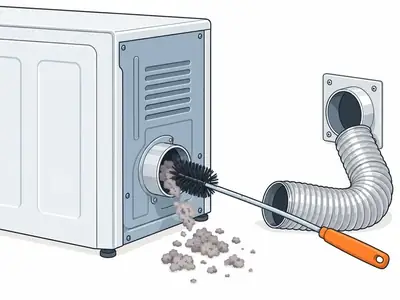 SafetyHow to Clean a Dryer Vent to Prevent FiresLearn how to clean a dryer vent safely: unplug the dryer, detach the hose, brush out lint, check the outside vent and prevent fires and slow drying.