
How to Reduce Kitchen Fire Hazards
Part of: Electrical safety
- Difficulty
- Easy
- Time
- An hour to set up, then daily habits
- Tools
- Class K or ABC fire extinguisher, lid or baking soda for grease fires, timer, degreasing cleaner, smoke alarm
- Call a pro if
- You have had any electrical scorching or repeatedly tripping breakers in the kitchen, or your extinguisher needs servicing or you are unsure what type to buy for your setup.
In this guide
- Power off first
Cooking causes more home fires than anything else, and the kitchen is where nearly half of all house fires start. The encouraging part: kitchen fires are the most preventable fires there are, because nearly all of them trace back to a short list of habits and conditions you control. How to reduce kitchen fire hazards starts with one rule: stay with the food, since unattended cooking is the leading factor by a wide margin.
This guide is part of our wider guide to electrical problems and safety.
Rule 1: Stay with the food
Unattended cooking is the leading factor in kitchen fires, by a wide margin. The rule is simple: frying, broiling or grilling means staying in the kitchen. Simmering and baking means staying in the home and checking regularly. A timer in your pocket beats one on the counter, because it leaves the room with you.
If you must step away from a hot pan, turn the burner off. Reheating takes two minutes; a fire takes everything.
Rule 2: Manage grease, the main fuel
Grease fires start when oil overheats past its smoke point and ignites. Prevent them by heating oil gradually, never leaving it unattended, and keeping pan handles turned inward so nothing gets knocked off the stove.
Built-up grease is the quieter hazard: a greasy stovetop, a hood filter matted with residue, and splatter on nearby surfaces all give a small flare-up fuel to become a big one. Degrease the stovetop weekly and the hood filter monthly; our guide on cleaning greasy kitchen cabinets covers the surfaces around the stove that collect the same film.
Know the grease fire response before you need it: slide a lid over the pan and turn off the heat. Leave the lid on until the pan cools completely. Alternatively, dump baking soda on a small grease fire. Never use water, which explodes burning grease across the kitchen, and never use flour or sugar, which burn. If the fire is not out right away or starts to spread, leave the house and call 911; never carry a burning pan.
Rule 3: Keep a clear zone around the stove
Anything that burns should be away from the burners: dish towels, paper towels, oven mitts, wooden spoons, food packaging, curtains. Loose sleeves catch on flames and elements, so roll them up when cooking. The same clear zone applies to the toaster and coffee maker, which ignite items stacked on or against them.
Rule 4: Respect the appliances
- Plug countertop appliances directly into outlets, not extension cords, and do not run them on the same overloaded strip; our guide on power strip overload explains the risk.
- Replace appliances with frayed cords, and never operate anything that smokes or smells scorched.
- Keep the oven and toaster crumb trays clean; accumulated crumbs ignite.
- Microwaves need intact door seals; a damaged door is a repair, not an inconvenience. Our guide on a microwave not heating notes related checks.
- If a circuit breaker trips repeatedly when kitchen appliances run, that is a warning, not a nuisance; our guide on a circuit breaker that keeps tripping explains why.
Rule 5: Have the right extinguisher, and know it
Keep a fire extinguisher in or just outside the kitchen, mounted near the exit so you grab it on your way out, never between you and the door. An ABC-rated extinguisher covers ordinary combustibles, flammable liquids and electrical fires.
Learn the PASS method now: Pull the pin, Aim at the base of the fire, Squeeze the handle, Sweep side to side. Check the pressure gauge monthly and replace or service the unit when it leaves the green zone.
Rule 6: Detection that works at night
A smoke alarm near, but not inside, the kitchen gives early warning without daily false alarms from toast; placement details are in our guide on smoke and carbon monoxide detector placement. Test it monthly, and pair detection with a practiced home fire escape plan so an alarm at 3 a.m. triggers a routine instead of panic.
Common mistakes
- Walking away from frying oil "for one minute."
- Throwing water on a grease fire, the single most dangerous kitchen reaction.
- Keeping the extinguisher in a cabinet behind the stove, unreachable in a fire.
- Ignoring scorched cords and tripping breakers as quirks of an old kitchen.
- Letting the hood filter go years without cleaning.
Related guides
- How to Use a Space Heater Safely at Home
- How to Replace a Hardwired Smoke Detector Safely
- How to Test If a Smoke or CO Detector Works
- How to Replace a Smoke Detector Battery and Stop the Chirping
FAQ
What should I do if my oven catches fire?
Keep the door closed and turn the oven off. Starved of air, most oven fires die out on their own. If flames persist or spread, get out and call emergency services.
Is baking soda really effective on grease fires?
On a small pan fire, yes; it releases carbon dioxide that smothers flames. It works slowly, so a lid is faster. A fire extinguisher beats both for anything larger.
How often should I clean the range hood filter?
Monthly for regular cooking, more often with frequent frying. A clean filter also makes the fan work better, which helps with a weak or noisy range hood fan.
More from this topic
- How to Choose and Place a Fire Extinguisher at Home: Learn how to choose and place a fire extinguisher: pick the right class and size, put it near exits, mount it...
- How to Prevent a Dryer Fire in Your Home: Learn how to prevent a dryer fire: clean the lint screen every load, clear the vent, spot warning signs and...
- How to Use a Fire Extinguisher in Your Home: Learn how to use a fire extinguisher with the PASS steps: pull, aim, squeeze and sweep. Know when to fight a...
- How to Clean a Dryer Vent to Prevent Fires: Learn how to clean a dryer vent safely: unplug the dryer, detach the hose, brush out lint, check the outside...
- How to Use a Space Heater Safely at Home: Learn how to use a space heater safely: pick a safe spot, plug straight into the wall, keep clear of anything...
 SafetyHow to Choose and Place a Fire Extinguisher at HomeLearn how to choose and place a fire extinguisher: pick the right class and size, put it near exits, mount it at a safe height and check it stays ready.
 SafetyHow to Prevent a Dryer Fire in Your HomeLearn how to prevent a dryer fire: clean the lint screen every load, clear the vent, spot warning signs and use your dryer safely.
 SafetyHow to Use a Fire Extinguisher in Your HomeLearn how to use a fire extinguisher with the PASS steps: pull, aim, squeeze and sweep. Know when to fight a small fire and when to get out and call 911.
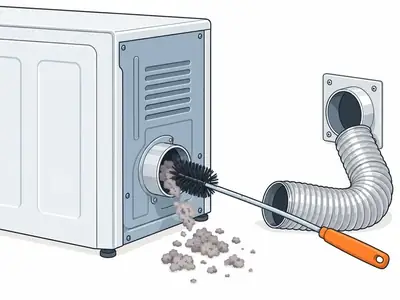 SafetyHow to Clean a Dryer Vent to Prevent FiresLearn how to clean a dryer vent safely: unplug the dryer, detach the hose, brush out lint, check the outside vent and prevent fires and slow drying.
 SafetyHow to Use a Space Heater Safely at HomeLearn how to use a space heater safely: pick a safe spot, plug straight into the wall, keep clear of anything that burns and never leave it running unattended.