
How to Prevent a Dryer Fire in Your Home
Part of: Appliances
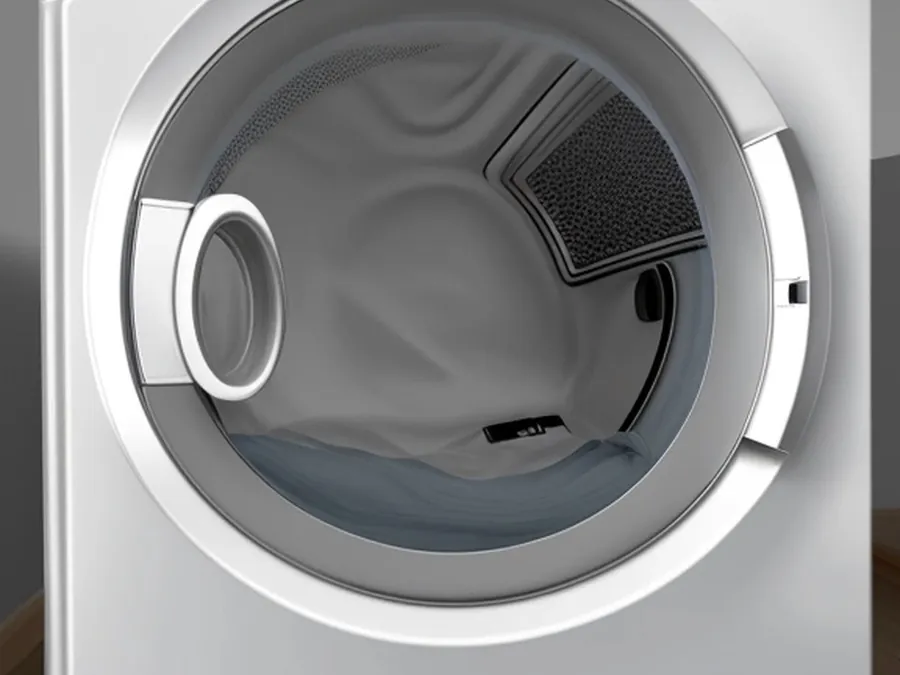
- Difficulty
- Easy
- Time
- 10 minutes per load, 1 hour yearly
- Tools
- Vacuum with a crevice tool, dryer vent brush kit, screwdriver, flashlight, smoke alarm
- Call a pro if
- Clothes stay damp after a full cycle, the dryer or the wall vent feels very hot, you smell burning, or the vent is long, bent or runs through a wall. Call a vent cleaning pro.
In this guide
- Power off first
Dryer fires are common and most are caused by lint buildup and poor maintenance. A few habits make a big difference. How to prevent a dryer fire starts with the lint screen, cleared after every load and washed when it turns waxy.
1. Clean the lint screen after every load
1. Pull out the screen and remove lint with your fingers.
2. Do it before or after each load.
3. Wash the screen with soapy water once in a while to remove film.
4. Dry it before you put it back.
2. Check the lint screen housing
1. Shine a flashlight into the slot.
2. Use a vacuum crevice tool to remove lint.
3. Look for lint that has slipped past the screen.
4. Make sure the screen sits correctly.
3. Clean the vent and duct
1. Unplug the dryer and pull it away from the wall carefully.
2. Disconnect the vent hose.
3. Use a vent brush or vacuum to clear the duct.
4. Do this at least once a year.
4. Check the outside vent
1. Go outside and find the vent flap.
2. Make sure it opens freely when the dryer runs.
3. Clear lint, nests and debris.
4. Keep it free of snow and plants.
5. Use the right duct
1. Use rigid or semi rigid metal duct, not plastic or foil that can sag and trap lint.
2. Keep the duct as short and straight as possible.
3. Avoid crushing it behind the dryer.
4. Check the connections are tight.
6. Do not overload or leave it on
1. Do not stuff the drum, since airflow drops.
2. Do not run the dryer when you leave the house or go to sleep.
3. Keep the area around it clear of clutter.
4. Keep flammable items away.
7. Watch what you dry
1. Do not dry items that have had oil, gasoline, cooking oil or solvents on them.
2. Wash them first, and air dry them if odors remain.
3. Check pockets for lighters and matches.
4. Follow the care label on items with foam or rubber.
8. Know the warning signs
1. Clothes take much longer to dry.
2. The dryer or the laundry room feels very hot.
3. You smell burning.
4. The outside vent flap does not move.
Quick tips
- Install smoke alarms near the laundry area and test them monthly.
- Keep a fire extinguisher where you can reach it, outside the laundry room.
- Have a gas dryer's connections checked by a licensed technician.
- Schedule a professional vent cleaning if you cannot reach the whole duct.
When to stop and call a pro
Call a pro if the vent is long, runs through walls or the roof, has several bends or is hard to reach. A professional can clean it and check the airflow. Call a licensed technician for gas dryers if you smell gas, and leave the home. Replace a dryer that overheats, trips the breaker or has damaged wiring. After a dryer fire, even a small one that you put out, have the dryer and the vent checked by the fire department or a pro before using it again, since smoldering lint can hide in the duct.
Related guides
- How to clean a dryer lint trap
- How to clean a dryer vent
- Dryer takes too long to dry clothes
- How to Clean a Dryer Drum and Remove Stains and Residue
- Electric Dryer Not Heating: What to Check Before You Call
- How to Install a Dryer Vent: Route It Outside Right
Common mistakes
- Skipping the lint screen.
- Using plastic foil duct.
- Running the dryer while out of the house.
- Drying oily rags.
- Ignoring slow drying times.
FAQ
How often should I clean the dryer vent?
At least once a year, and more often with heavy use or long ducts.
What are the signs of a clogged vent?
Long drying times, a hot dryer and a stiff outdoor flap.
Can fabric softener sheets cause problems?
They can leave film on the lint screen. Wash the screen now and then.
Is a gas dryer more dangerous?
Gas dryers need a safe gas line and a good vent. Have them checked.
More from this topic
- How to Clean a Dryer Vent to Prevent Fires: Learn how to clean a dryer vent safely: unplug the dryer, detach the hose, brush out lint, check the outside...
- How to Replace a Dryer Vent Hose Safely: Learn how to replace a dryer vent hose: unplug the dryer, remove the old duct, fit a metal duct with clamps...
- How to Reduce Kitchen Fire Hazards: Reduce kitchen fire hazards with safe cooking habits, clean grease surfaces, working smoke alarms, and the...
- How to Use a Space Heater Safely at Home: Learn how to use a space heater safely: pick a safe spot, plug straight into the wall, keep clear of anything...
- Power Strip Overload: How to Spot It: Power strip overload can melt plugs and start fires. Learn the warning signs, how to add up watts and which...
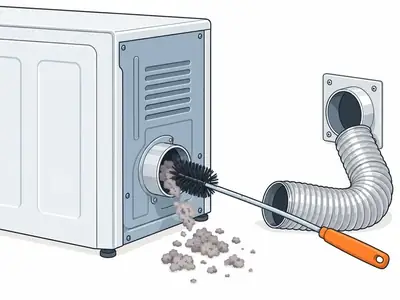 SafetyHow to Clean a Dryer Vent to Prevent FiresLearn how to clean a dryer vent safely: unplug the dryer, detach the hose, brush out lint, check the outside vent and prevent fires and slow drying.
 KitchenHow to Replace a Dryer Vent Hose SafelyLearn how to replace a dryer vent hose: unplug the dryer, remove the old duct, fit a metal duct with clamps and check the airflow outside before you dry a load.
 SafetyHow to Reduce Kitchen Fire HazardsReduce kitchen fire hazards with safe cooking habits, clean grease surfaces, working smoke alarms, and the right way to handle a grease fire.
 SafetyHow to Use a Space Heater Safely at HomeLearn how to use a space heater safely: pick a safe spot, plug straight into the wall, keep clear of anything that burns and never leave it running unattended.
 SafetyPower Strip Overload: How to Spot ItPower strip overload can melt plugs and start fires. Learn the warning signs, how to add up watts and which devices should never share a strip.