
Range Hood Fan Weak or Noisy: Causes and Simple Fixes
Part of: Kitchen
- Difficulty
- Easy to medium
- Time
- 30 to 90 minutes
- Tools
- Screwdrivers, degreasing dish soap, hot water, soft brush, towels, step stool, flashlight
- Call a pro if
- the motor hums but does not spin, the duct is damaged inside the wall, or the wiring is worn
In this guide
- Power off first
- Gas safety
A range hood fan weak on airflow is often a clogged filter or duct, not a failing motor. A range hood pulls smoke, steam and grease out of the kitchen. When the fan is weak, smoke lingers and grease coats the cabinets. When it is noisy, you stop using it. A range hood fan that is weak or loud usually needs cleaning, not replacement. This guide shows how to find the cause and fix it.
This guide is part of our wider guide to appliance problems.
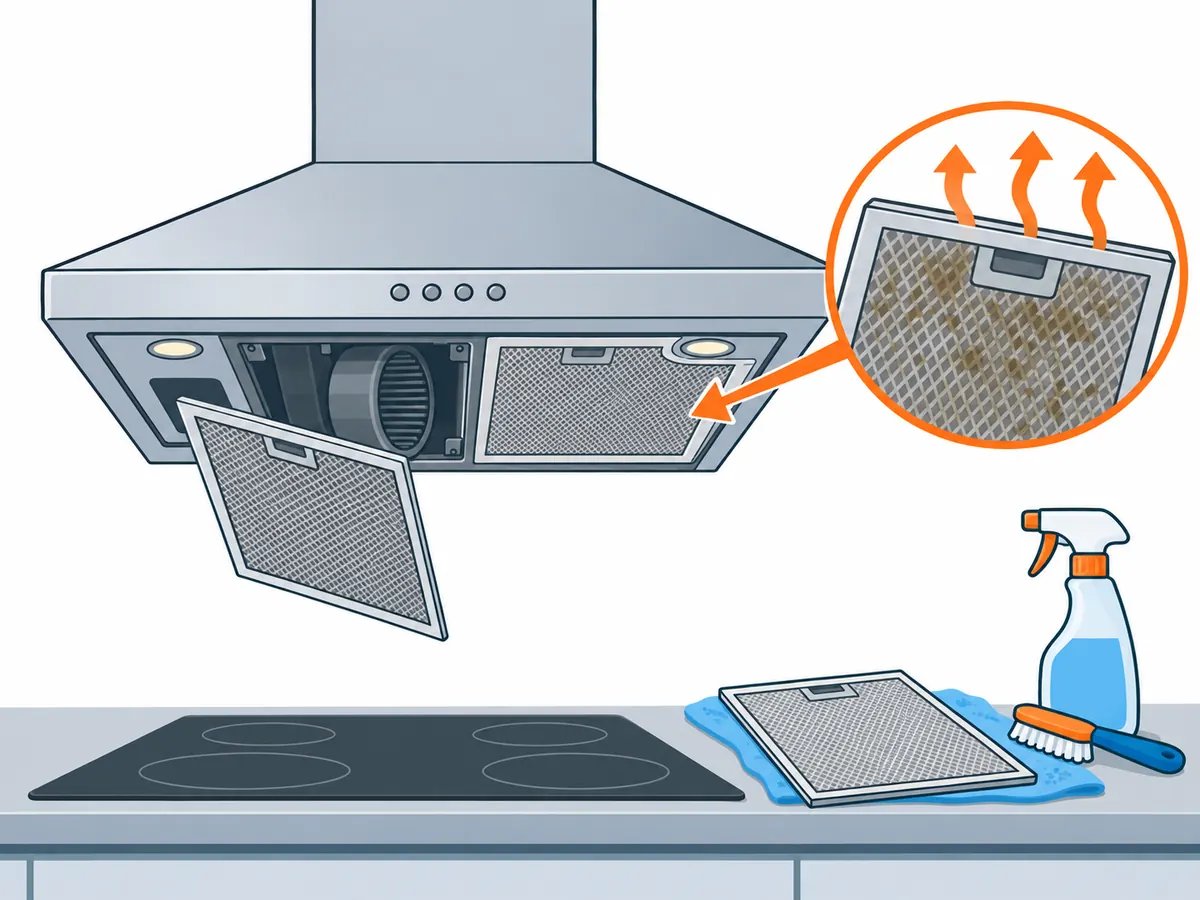
Start with the filters
Grease filters catch grease before it reaches the fan. When they are clogged, airflow drops.
1. Turn off the fan and the light. Let the hood cool if you have been cooking.
2. Remove the filters. Most slide or snap out. Hold the latch and pull down.
3. Soak them in hot water with a good degreasing dish soap for 10 to 15 minutes.
4. Scrub gently with a soft brush. Rinse with hot water.
5. Dry them fully before you put them back.
Some metal filters can go in the dishwasher. Check the manual. Charcoal filters used in ductless hoods cannot be washed and must be replaced.
Clean the fan blades and housing
Grease builds up on the blades and makes them unbalanced, which causes noise and weak airflow.
1. Turn off the power at the breaker for safety. See How to find your electrical panel and label breakers.
2. Remove the filters and look inside. You should see the fan wheel.
3. Wipe the blades with a cloth and degreaser, one blade at a time. Turn the wheel by hand.
4. Wipe the housing and the inside of the hood.
5. Dry everything and replace the filters.
If the fan wheel is easy to remove, take it out and wash it. Mark its position so you can put it back the same way.
Check the duct and the damper
A hood that vents outside has a duct that goes through the wall or the roof. The duct can be blocked, crushed or disconnected.
- Look at the outside cap. Make sure the flap opens when the fan runs and no nests or leaves block it.
- Check the damper, a flap in the duct that opens with airflow. Grease can make it stick shut.
- Check the duct for kinks, long runs and many bends. Each one cuts airflow.
- Check that the duct is connected and sealed at the hood.
Signs that point to each cause
A weak fan that runs smoothly and quietly usually has clogged filters or a blocked duct. A loud rattle suggests a loose screw, a loose cover or an unbalanced blade. A squeal points to a dry motor bearing. A hum without movement means the motor or capacitor has failed. A fan that works on high but not on low can have a bad switch. A fan that smells like burning needs to be turned off at once and checked.
Fix the noise
1. Tighten the screws that hold the hood, the cover and the fan.
2. Check the fan wheel for a bent blade or one that rubs on the housing.
3. Clean the wheel to remove the grease that causes imbalance.
4. Check the mounting. A hood that is loose on the wall or cabinet can vibrate.
5. Check the motor. If the motor squeals, it may need replacing.
Think about the make-up air
A strong fan in a tight home pulls air from other places, such as chimneys and gaps, and its own airflow suffers. Open a window a little when you run the fan on high. This often makes the fan quieter and more effective.
Prevention
Clean the filters once a month if you cook often. Clean the fan wheel twice a year. Use the fan every time you cook, and turn it on before you start. Cook on the back burners when you can, since the hood captures them better.
When to replace the hood
If the motor is old, the fan wheel is bent or the hood is too small for your range, a new hood may be the better choice. A hood should be at least as wide as the cooktop. Check the airflow rating and the noise rating in the manual. A new unit with a short, straight duct will almost always beat an old one with a long, bent duct. If you replace it, keep the duct size the same or larger, never smaller.
A short cleaning schedule
Wash the filters monthly. Wipe the outside of the hood weekly with a mild degreaser. Clean the fan wheel and the inside twice a year. Check the outside cap each spring. Write the dates on a note inside a cabinet so you remember. Small, regular cleaning prevents the thick grease that is hard to remove and that can feed a kitchen fire.
Related guides
- Replace Range Hood Filter: Mesh and Charcoal Types
- Circuit Breaker Keeps Tripping When Microwave Runs: Causes and Fixes
- Microwave Not Heating: What to Check
- Replace Oven Heating Element Safely (Electric)
- How to Replace a Range Hood Light Bulb
FAQ
How often should I clean the filters?
Monthly if you cook daily, and every few months for light cooking.
Can I wash the filters in the dishwasher?
Many metal ones can be. Check the manual.
Why is my hood loud on high?
Dirty blades, loose parts or a weak mounting are the usual causes.
Does a ductless hood work as well?
It removes some grease and odors, but not heat and moisture.
More from this topic
- How to Clean a Range Hood Filter and Remove Baked On Grease: Learn how to clean a range hood filter with hot water, dish soap, and baking soda: remove it, soak, scrub,...
- How to Install a Range Hood Vent: Learn how to install a range hood vent through a wall or roof, with the duct size, damper and roof cap that...
- Replace Range Hood Filter: Mesh and Charcoal Types: Greasy or clogged filter? Replace range hood filter parts, tell mesh from charcoal types and keep your...
- How to Clean a Range Hood and Filter: Learn how to clean a range hood: degrease the outside, wash or replace the filters, clear the fan blades and...
- Dishwasher Leaking From the Door: Causes and Fixes: Dishwasher leaking from the door? Check the gasket, the load, the detergent, the spray arms and the latch....
 KitchenHow to Clean a Range Hood Filter and Remove Baked On GreaseLearn how to clean a range hood filter with hot water, dish soap, and baking soda: remove it, soak, scrub, rinse, dry, and put it back so the fan works well.
 KitchenHow to Install a Range Hood VentLearn how to install a range hood vent through a wall or roof, with the duct size, damper and roof cap that keep smoke and grease moving out.
 KitchenReplace Range Hood Filter: Mesh and Charcoal TypesGreasy or clogged filter? Replace range hood filter parts, tell mesh from charcoal types and keep your kitchen hood working well.
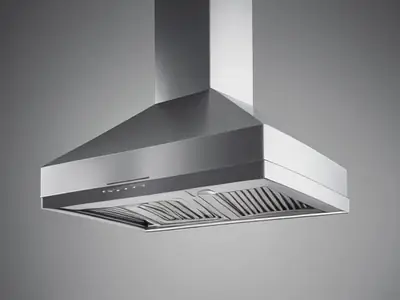 KitchenHow to Clean a Range Hood and FilterLearn how to clean a range hood: degrease the outside, wash or replace the filters, clear the fan blades and duct, and keep it working with a simple routine.
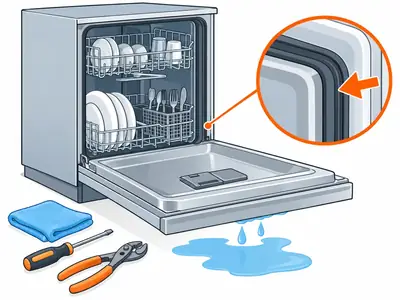 KitchenDishwasher Leaking From the Door: Causes and FixesDishwasher leaking from the door? Check the gasket, the load, the detergent, the spray arms and the latch. Simple steps to find the leak and stop it.