
How to Replace a Range Hood Light Bulb
Part of: Kitchen
- Difficulty
- Easy
- Time
- 10 to 20 minutes
- Tools
- Stepstool, replacement bulb of the right type, soft cloth, screwdriver, work gloves
- Call a pro if
- A new bulb does not light, the socket is scorched or the hood is hardwired and you see damaged wires.
In this guide
- Power off first
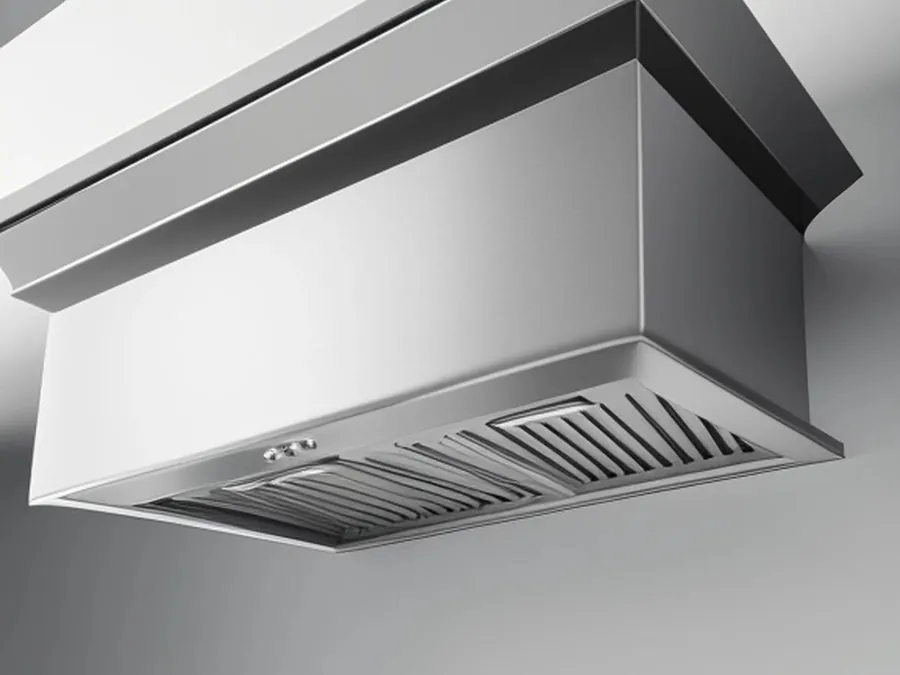
A dim or dead range hood light makes cooking harder. Swapping the bulb is quick if you buy the right one. How to replace a range hood light bulb starts with what is already in there: a small halogen capsule, a standard base bulb or an LED module.
Before you start
Hood bulbs vary: some are small halogen capsules, some are standard base bulbs and some are LED modules. Check the hood label or manual for the bulb type and the maximum wattage. Using too strong a bulb can overheat the socket. If you are not sure, take the old bulb to a store to match it.
1. Turn everything off
1. Switch off the hood and the cooktop.
2. Wait until the bulb and the cooktop are cool.
3. Turn off the breaker if you wish.
4. Clear the area under the hood.
2. Set up safely
1. Place a stable stepstool under the hood.
2. Wipe your hands.
3. Lay a towel on the cooktop to catch the cover.
4. Keep the light on in the room.
3. Find the cover
1. Look at the light area under the hood.
2. Check how the lens is held, by a screw, a clip or a twist.
3. Check the manual if unsure.
4. Do not pry hard.
4. Remove the cover
1. Hold the cover with one hand.
2. Release the clip or turn it.
3. Lower it gently.
4. Set it on the towel.
5. Remove the old bulb
1. Use a dry cloth or a glove.
2. Twist or pull the bulb out.
3. Look at the socket for burns.
4. Note the bulb type and wattage.
6. Fit the new bulb
1. Use the same type.
2. Hold it with a cloth if it is a halogen bulb.
3. Push or twist it in.
4. Make sure it sits straight.
7. Replace the cover
1. Clean the cover with a damp cloth.
2. Dry it.
3. Refit it and lock it in place.
4. Check it is secure.
8. Test
1. Turn the breaker on.
2. Switch on the hood light.
3. Check it works.
4. Clean up.
Quick tips
- Clean the lens occasionally so the light is bright.
- Keep a spare bulb of the right type.
- Do not use a higher wattage bulb than allowed.
- Consider an LED bulb rated for the fixture, which runs cooler.
When to stop and call a pro
If the new bulb does not light, the socket or the switch may be faulty, so turn off the power and call a technician or an electrician rather than testing wires. Do not use a hood with a scorched socket, melted plastic or a burning smell. Grease on the lens and around the socket can catch fire, so clean the hood regularly, and wipe the area only when cool. A bulb that burns out often can point to loose connections or a wrong bulb type.
Related guides
- How to clean a range hood
- Range hood fan weak or noisy
- How to replace an oven light bulb
- How to Install a Range Hood Vent
- How to Clean a Range Hood Filter and Remove Baked On Grease
Common mistakes
- Using too high a wattage.
- Handling a hot bulb.
- Standing on a chair.
- Forgetting to switch off power.
- Touching halogen glass with bare fingers.
FAQ
What bulb does my hood use?
Check the label or the old bulb.
Can I use an LED?
If it fits the base and the rating.
Why does the bulb burn out quickly?
Heat, a high wattage or a loose connection.
Do I need to cut power?
It is safest to.
More from this topic
- How to Replace a Refrigerator Light Bulb: Refrigerator light not working? Learn how to replace a refrigerator light bulb safely, find the right type...
- How to Replace an Oven Light Bulb Safely: Learn how to replace an oven light bulb: cool the oven, switch off power, remove the glass cover, swap in the...
- Replace Range Hood Filter: Mesh and Charcoal Types: Greasy or clogged filter? Replace range hood filter parts, tell mesh from charcoal types and keep your...
- How to Replace a Stove Knob: Learn how to replace a stove knob: confirm the stem shape, pull the old knob straight off, press on a...
- Microwave Sparking: What to Do and What It Means: Microwave sparking inside? Learn the common causes, from metal and foil to a damaged waveguide cover, and...
 KitchenHow to Replace a Refrigerator Light BulbRefrigerator light not working? Learn how to replace a refrigerator light bulb safely, find the right type and check the door switch.
 KitchenHow to Replace an Oven Light Bulb SafelyLearn how to replace an oven light bulb: cool the oven, switch off power, remove the glass cover, swap in the right high heat bulb and test the new light.
 KitchenReplace Range Hood Filter: Mesh and Charcoal TypesGreasy or clogged filter? Replace range hood filter parts, tell mesh from charcoal types and keep your kitchen hood working well.
 KitchenHow to Replace a Stove KnobLearn how to replace a stove knob: confirm the stem shape, pull the old knob straight off, press on a matching one and test every burner setting.
 KitchenMicrowave Sparking: What to Do and What It MeansMicrowave sparking inside? Learn the common causes, from metal and foil to a damaged waveguide cover, and when to stop and call for service.