
How to Install a Range Hood Vent
Part of: Kitchen
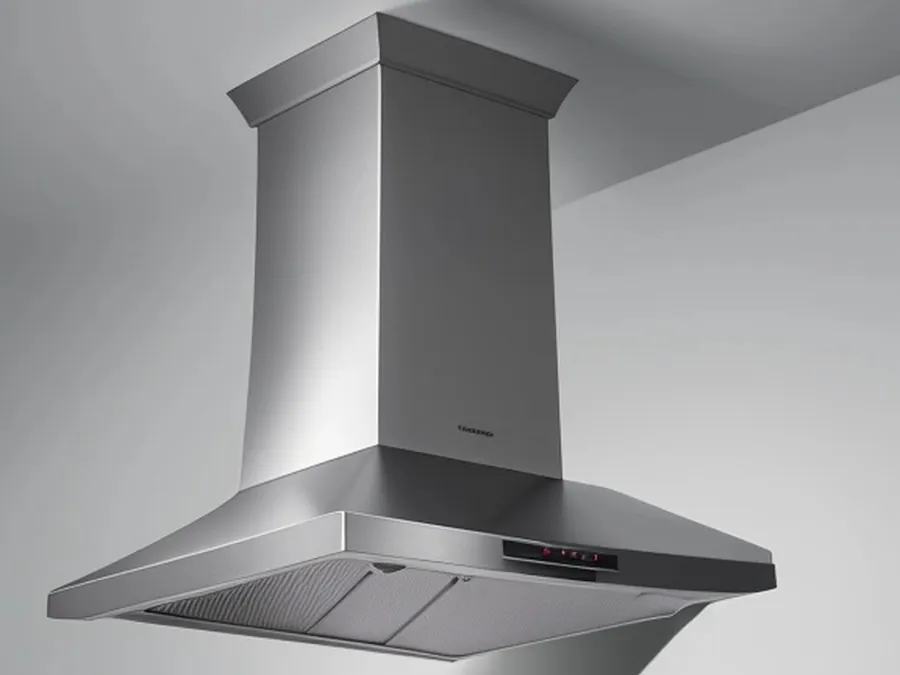
- Difficulty
- Hard
- Time
- 4 to 8 hours
- Tools
- Hole saw or reciprocating saw, drill, ducting, foil tape, damper, roof or wall cap, tin snips, caulk, level, tape measure, stud finder, eye protection, dust mask
- Call a pro if
- The run needs more than one elbow, the hood is over 400 CFM, or the exit is through masonry.
In this guide
- Decide where the air goes
- Check the hood's duct size
- Plan the run before you cut
- Find the framing
- Cut the wall or roof opening
- Fit the wall or roof cap
- Run rigid duct where you can
- Tape every joint
- Support the duct
- Insulate in unconditioned space
- Hang the hood
- Connect and seal
- Test with smoke
- Common mistakes
- Related guides
- FAQ
- When to call a pro
- Ladder safety
- Wear protection
A hood that blows air back into the kitchen is a filter, not a vent. Real ventilation moves smoke, steam and grease outside through a duct, and the duct is the part most installations get wrong. Here is how to install a range hood vent so the run is short, smooth and sealed.
1. Decide where the air goes
1. Straight up through the roof, or out through a wall.
2. Shorter is always better.
2. Check the hood's duct size
1. Most hoods take 6 inch round or 3 by 10 rectangular.
2. Never neck a 6 inch hood down to 4.
3. Plan the run before you cut
1. Count the elbows.
2. Each one costs you airflow.
4. Find the framing
1. A stud finder keeps you off a rafter you need.
2. You will cut through sheathing, not structure.
5. Cut the wall or roof opening
1. Mark the circle from the cap template.
2. Cut slightly small and file to fit.
6. Fit the wall or roof cap
1. The cap has a damper that stops backdrafts.
2. Seal the flange with exterior caulk.
7. Run rigid duct where you can
1. Smooth metal moves air better than flex.
2. Flex only for the last short connection.
8. Tape every joint
1. Foil tape, not cloth duct tape.
2. Screws at the joints, then tape over them.
9. Support the duct
1. Straps every four feet.
2. A sagging run collects grease.
10. Insulate in unconditioned space
1. A cold duct sweats in summer.
2. Wrap the run in the attic.
11. Hang the hood
1. Set the height the manual gives.
2. Usually 30 inches above the cooking surface.
12. Connect and seal
1. Short flex connection at the hood collar.
2. Tape it, then check the damper swings free.
13. Test with smoke
1. Boil water or light a match under the hood.
2. Smoke should leave, not curl back.
Common mistakes
- Venting into the attic.
- Reducing the duct size at the hood.
- Using flex for the whole run.
- Cloth tape that dries and falls off.
- Skipping the damper and letting cold air in.
Related guides
- How to Install a Dryer Vent: Route It Outside Right
- How to Clean a Range Hood and Filter
- How to Clean a Range Hood Filter and Remove Baked On Grease
FAQ
Can I vent a range hood out the side of the house?
Yes, with a wall cap and a damper, as long as the run is short.
How far can a hood duct run?
Follow the manual. Many allow 30 to 50 equivalent feet, and each elbow eats several.
Do I need a roof cap or a wall cap?
Whichever your exit uses. Both need a damper and flashing.
Can I use 4 inch duct with a 6 inch hood?
No. It chokes the fan and the hood gets loud and useless.
More from this topic
- Replace Range Hood Filter: Mesh and Charcoal Types: Greasy or clogged filter? Replace range hood filter parts, tell mesh from charcoal types and keep your...
- Range Hood Fan Weak or Noisy: Causes and Simple Fixes: Range hood fan weak or noisy? Clean the filters and blades, check the duct and the damper, and tighten loose...
- How to Install a Dryer Vent: Route It Outside Right: How to install a dryer vent: route rigid duct to the exterior, seal the joints and fit the exterior hood that...
- How to Replace a Range Hood Light Bulb: Learn how to replace a range hood light bulb: cool the hood, cut power, open the cover, match the bulb type...
- How to Set Up a Temporary Kitchen During a Renovation: How to set up a temporary kitchen during a renovation: pick the spot, plan power and water, set up appliances...
 KitchenReplace Range Hood Filter: Mesh and Charcoal TypesGreasy or clogged filter? Replace range hood filter parts, tell mesh from charcoal types and keep your kitchen hood working well.
 KitchenRange Hood Fan Weak or Noisy: Causes and Simple FixesRange hood fan weak or noisy? Clean the filters and blades, check the duct and the damper, and tighten loose parts. Easy steps that restore airflow.
 KitchenHow to Install a Dryer Vent: Route It Outside RightHow to install a dryer vent: route rigid duct to the exterior, seal the joints and fit the exterior hood that keeps pests out.
 KitchenHow to Replace a Range Hood Light BulbLearn how to replace a range hood light bulb: cool the hood, cut power, open the cover, match the bulb type and wattage limit and test the new light.
 KitchenHow to Set Up a Temporary Kitchen During a RenovationHow to set up a temporary kitchen during a renovation: pick the spot, plan power and water, set up appliances and washing, and keep food safe.