
How to Set Up a Temporary Kitchen During a Renovation
Part of: Kitchen
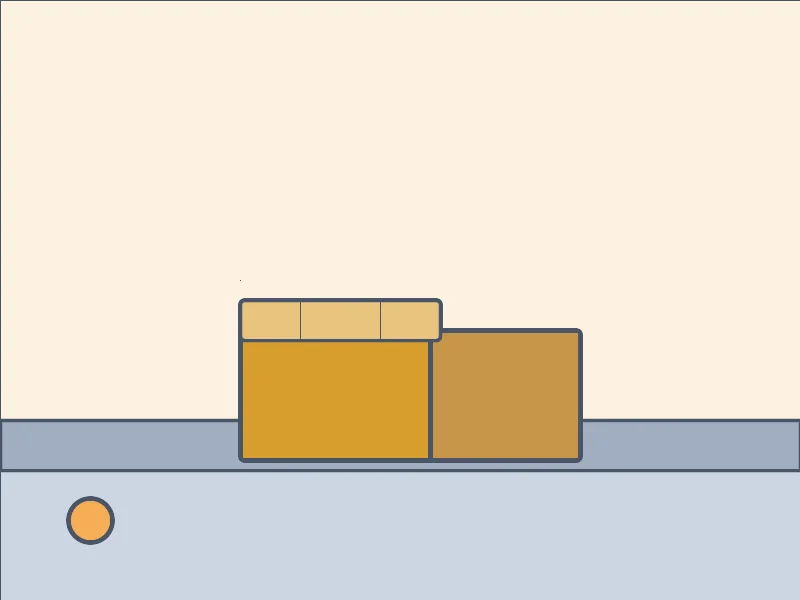
- Difficulty
- Easy
- Time
- 2 to 4 hours
- Tools
- tape measure, power strip, extension cords rated for the load, dish tubs, cooler, shelf unit, trash bin, labels, cleaning supplies
- Call a pro if
- You plan to run a refrigerator, microwave, or hot plate on an extension cord, or the temporary setup would block a required exit or a smoke detector.
In this guide
The kitchen is the room a renovation hurts most. A sink and real power decide the location in how to set up a temporary kitchen during a renovation. Losing the stove is annoying. Losing the sink is what actually breaks the routine, because dishes pile up and every meal becomes a negotiation.
A temporary kitchen solves most of that for very little money. The goal is not to cook a holiday dinner. It is to make coffee, heat food, wash a few dishes, and keep the milk cold.
1. Pick the location
Look for a spot with a sink nearby, real outlets, and a door to the outside so you are not carrying dishes through the dust. A laundry room, a basement corner, a dining room, or a garage with a utility sink all work. The further from the demo, the better.
2. Check the power
Add up what you will run. A microwave and a kettle at the same time will trip a 15 amp circuit. Spread appliances across circuits and use cords rated for the load. Never run a fridge on an extension cord. If the fridge has to stay, keep it where it is or move it to a spot with its own outlet.
3. Set up a surface
A sturdy folding table is the core of a temporary kitchen. Add a small shelf unit for food and dishes. Keep the table clear of the dust zone and cover it when work is happening.
4. Plan the appliances
A microwave, an electric kettle, a slow stove, a rice stove, and a toaster oven cover a surprising amount of cooking. A single induction burner works if you have the right pans and a circuit that can take it. Choose two or three, not all of them, so you do not overload the power.
5. Set up washing
Two dish tubs, one for wash water and one for rinse, plus a drying rack, handle dishes without a kitchen sink. If there is a laundry sink or a bathroom sink nearby, use it. Never pour grease down a drain; put it in a container and throw it out.
6. Keep food cold
A cooler with ice works for a few days, but a remodel takes longer. Options: keep the existing fridge in place if the plan allows, move it to a temporary spot, or buy a small second hand fridge for the duration. Check the temperature with a thermometer: below 40 degrees for cold food.
7. Organize with bins
Use labeled bins for pantry items, utensils, and cleaning supplies. Keep the bins off the floor, since dust settles low. A single box with the daily items, coffee, mugs, plates, and cutlery, saves a hundred small searches.
8. Set up trash and recycling
A bin with a lid, a bag for recycling, and a container for food scraps. Without them, the temporary kitchen becomes a mess in two days. Empty the trash daily, since food waste in a warm room attracts pests.
9. Protect the space
Cover the table and shelves with a sheet or plastic when work is happening. Tape off the doorway to the work zone if you can. Wipe surfaces before you eat on them. Dust from drywall and demolition gets into everything.
10. Plan the meals
Simplify. Sheet pan meals and one pot dishes made in the slow stove, sandwiches, salads, and breakfast for dinner. Keep a short list of meals that need no stove. Plan one takeout night a week instead of every night. If the permanent kitchen is short on storage too, how to organize a small kitchen is worth reading before the new cabinets go in.
Common mistakes
- Running a fridge or a hot plate on a thin extension cord.
- Setting up in the dust path between the work area and the door.
- No plan for washing dishes, so the bathroom sink fills with plates.
- Relying on a cooler for weeks instead of arranging a real fridge.
- Letting trash build up in a warm room.
- Forgetting that a slow stove and a kettle on one circuit will trip the breaker.
FAQ
How long does a kitchen remodel take?
A straightforward remodel is often 4 to 8 weeks. A temporary kitchen is worth setting up for anything over two weeks.
Can I keep my refrigerator running during the remodel?
Often yes, if it can stay in place or be moved temporarily. Talk to the contractor about the schedule before they start.
What appliances do I really need?
A microwave, a kettle, and one slow cooking appliance cover most meals. Add a toaster oven if you have the power.
Where should I wash dishes?
A laundry sink, a bathroom sink, or two dish tubs. Never pour grease down a drain.
Is it safe to cook in a garage?
Not with a gas appliance or a grill. Carbon monoxide is a real risk. Use electric appliances only, and keep the space ventilated.
Related guides
- Washing Machine Shaking During Spin Cycle: Washing machine shaking during spin cycle? Check for shipping bolts, leveling and worn shock absorbers, and...
- How to Install a Kitchen Island: How to install a kitchen island: measure clearances, choose freestanding or fixed, level and secure the base,...
- How to Organize a Small Kitchen So It Feels Bigger: Learn how to organize a small kitchen: clear the counters, use vertical space, choose the right storage for...
- How to Clean an Air Fryer After Every Use: Learn how to clean an air fryer: unplug it, wash the basket and tray, wipe the heating area, remove grease...
- How to Convert a Closet Into a Pantry: How to convert a closet into a pantry: plan shelf spacing for real food, add sturdy adjustable shelves, light...
 KitchenWashing Machine Shaking During Spin CycleWashing machine shaking during spin cycle? Check for shipping bolts, leveling and worn shock absorbers, and fix the cheap causes first.
 KitchenHow to Install a Kitchen IslandHow to install a kitchen island: measure clearances, choose freestanding or fixed, level and secure the base, add an outlet safely.
 KitchenHow to Organize a Small Kitchen So It Feels BiggerLearn how to organize a small kitchen: clear the counters, use vertical space, choose the right storage for each zone, and keep the work surface usable.
 KitchenHow to Clean an Air Fryer After Every UseLearn how to clean an air fryer: unplug it, wash the basket and tray, wipe the heating area, remove grease and dry every part before the next use.
 KitchenHow to Convert a Closet Into a PantryHow to convert a closet into a pantry: plan shelf spacing for real food, add sturdy adjustable shelves, light it, and keep it cool and dry.