
How to Organize a Small Kitchen So It Feels Bigger
Part of: Kitchen
- Difficulty
- Easy
- Time
- 3 to 5 hours
- Tools
- Tape measure, screwdriver, shelf risers, hooks and rails, drawer dividers, stackable containers, a step stool, boxes for donations, labels
- Call a pro if
- You want shelves or cabinets moved, or the kitchen needs electrical work for new appliances, since those are renovation jobs rather than organization.
In this guide
- Start by clearing the counters
- Be honest about the appliances
- Use the vertical space
- Organize by zone, not by type
- Make the cabinets work harder
- Use the space you forget
- Choose the right table and seating
- Control what comes in
- Keep the counters clear as a habit
- Common mistakes
- Related guides
- FAQ
- When to call a pro
- Power off first
A small kitchen feels cramped for two reasons: too much stuff on the work surface, and storage that does not match how the kitchen is used. Both are fixable without buying a new kitchen. The aim is a kitchen where the counter is clear, the things you use daily are within reach and nothing needs to be moved to cook a meal. How to organize a small kitchen starts by clearing the counters and putting back only what you use every single day.
This guide is part of our wider guide to kitchen cabinets, countertops and storage.
1. Start by clearing the counters
Take everything off the counter and put it on the table or the floor. Then put back only what you use every single day: the kettle, the coffee maker, the knife block, the board.
Everything else goes into a cabinet, a drawer or a box. A small kitchen with clear counters immediately looks twice the size, and you gain a work surface you can actually use.
2. Be honest about the appliances
Small kitchens collect appliances that were used twice: the sandwich maker, the juicer, the electric grill. If it has not been used in a year, it goes. If it is used occasionally, store it high or in another room rather than keeping it on the counter.
Keep the ones you use weekly and find them a home where they can stay plugged in, or accept lifting them out.
3. Use the vertical space
Wall space is the most wasted resource in a small kitchen.
- A rail with hooks for utensils, pans, mugs and boards.
- A magnetic strip for knives, fixed away from where children reach.
- Shelves above the sink or beside the cooktop for everyday items.
- A rack over the sink for dishes, which frees the counter.
- Stackable shelves inside cabinets, doubling the usable height.
Fix every rail and shelf into studs. A loaded pan rail in drywall will come down.
4. Organize by zone, not by type
Even in a small kitchen, group by task:
- Cooking: pans, utensils, oils, salt within reach of the cooktop.
- Prep: knives, boards, bowls near the main work surface.
- Washing: soap, sponges, drainer near the sink.
- Storage: containers, foil, bags near the fridge.
In a small kitchen the zones overlap, which is fine. What matters is that for each task you open one door.
5. Make the cabinets work harder
- Risers so plates and mugs stack in two visible levels.
- Turntables in corner cabinets, so you can reach the back.
- Drawer dividers so cutlery and utensils do not become a pile.
- Stackable containers for dry goods, which use height instead of floor space.
- Hooks inside cabinet doors for lids and measuring spoons.
6. Use the space you forget
- Above the fridge: a cabinet or a basket for rarely used items.
- Under the sink: a pull-out caddy for cleaning products. Our guide on organizing under the kitchen sink covers that space.
- The gap beside the fridge: a slim pull-out trolley for bottles and tins.
- Above the door: a shelf for bulk items.
- The back of a cabinet door: a rack for foil, wrap and spices.
7. Choose the right table and seating
A small kitchen does not need a dining table. A fold-down table, a narrow bar shelf with stools, or a movable island gives you eating space without permanently blocking the room. Our guide on installing a kitchen island covers clearance if you are considering one.
8. Control what comes in
A small kitchen is only organized if it stays that way. Buy less, buy smaller quantities, and keep a shopping list so you do not end up with three open bags of rice. Keep one box for donations and fill it as you notice unused items.
9. Keep the counters clear as a habit
- Wash up or load the dishwasher before bed, every night.
- Put away anything that does not live on the counter.
- Clear the fridge door of clutter; it is prime storage but it becomes a mess.
- Wipe down the counters so the space feels ready to use.
Common mistakes
- Buying storage containers before clearing out.
- Fitting rails into drywall.
- Storing heavy pans above head height.
- Keeping appliances on the counter because there is nowhere else.
- Organizing once and never maintaining it.
Related guides
- How to Set Up a Temporary Kitchen During a Renovation
- How to Install Peel and Stick Backsplash in a Kitchen
- How to Replace a Kitchen Sink (Drop-In Swap)
- Kitchen Faucet Base Leak: How to Fix It
- How to Organize a Shed
- How to Organize a Pantry
FAQ
How do I make a small kitchen feel bigger?
Clear the counters, use vertical space, keep the color and materials light, and make sure everything has a home. Clutter is what makes a small kitchen feel tight.
What should stay on the counter?
Only what you use daily: kettle, coffee maker, knife block, board. Everything else goes away.
Is a kitchen island a good idea in a small kitchen?
Only if there is at least 36 inches of clear walkway around it. Otherwise a slim trolley or a fold-down table works better.
How do I store appliances in a small kitchen?
Keep the weekly ones accessible, store occasional ones high or elsewhere, and get rid of the ones you never use.
More from this topic
- How to Set Up a Temporary Kitchen During a Renovation: How to set up a temporary kitchen during a renovation: pick the spot, plan power and water, set up appliances...
- How to Organize Kitchen Cabinets Around How You Cook: Learn how to organize kitchen cabinets by zones: empty and clean them, group by task, set shelf heights, use...
- How to Organize a Refrigerator to Cut Food Waste: Learn how to organize a refrigerator: set the right temperature, group food by zone, store raw meat low,...
- How to Remove a Burn Mark From a Countertop: Learn how to remove a burn mark from a countertop by material: laminate, solid surface, butcher block and...
- How to Seal a Countertop Seam So Water Stops Getting In: Learn how to seal a countertop seam: clean and dry the joint, choose the right sealant, tape and apply it,...
 KitchenHow to Set Up a Temporary Kitchen During a RenovationHow to set up a temporary kitchen during a renovation: pick the spot, plan power and water, set up appliances and washing, and keep food safe.
 KitchenHow to Organize Kitchen Cabinets Around How You CookLearn how to organize kitchen cabinets by zones: empty and clean them, group by task, set shelf heights, use drawers well and keep the system working.
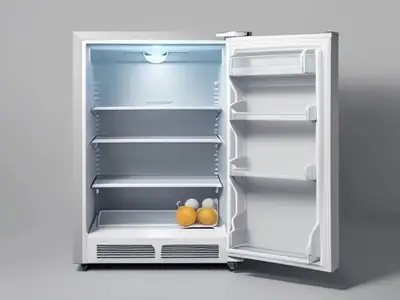 KitchenHow to Organize a Refrigerator to Cut Food WasteLearn how to organize a refrigerator: set the right temperature, group food by zone, store raw meat low, label leftovers and keep everything fresh longer.
 KitchenHow to Remove a Burn Mark From a CountertopLearn how to remove a burn mark from a countertop by material: laminate, solid surface, butcher block and quartz each need a different method.
 KitchenHow to Seal a Countertop Seam So Water Stops Getting InLearn how to seal a countertop seam: clean and dry the joint, choose the right sealant, tape and apply it, tool the bead smooth and keep the seam watertight.