
How to Maintain a Fire Extinguisher
Part of: Electrical safety
- Difficulty
- Easy
- Time
- Five minutes a month
- Tools
- Just your eyes, a calendar reminder, and a professional service for annual or six-year maintenance
- Call a pro if
- The gauge reads outside the green, the pin or seal is missing, the cylinder is damaged or corroded, or it is due for professional servicing.
In this guide
- Chemical safety
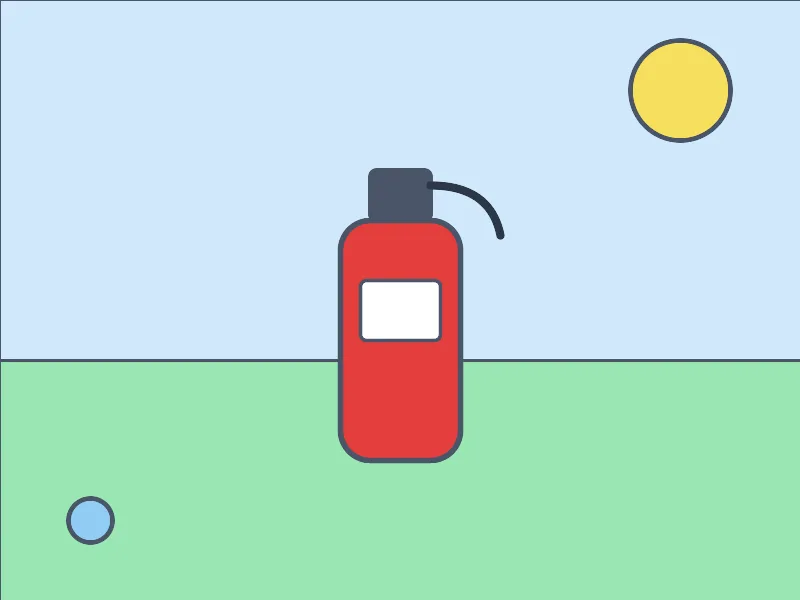
An extinguisher sits untouched for years until the day it has to work perfectly. A five-minute monthly check is the difference between a tool that saves your kitchen and a red paperweight. How to maintain a fire extinguisher starts with the gauge, checked monthly, with the needle sitting in the green.
1. Check the pressure gauge
1. Look at the gauge every month.
2. The needle should sit in the green zone.
3. Low pressure means the unit may not discharge fully.
4. A gauge outside the green means service or replacement now.
2. Inspect the pin and seal
1. Confirm the pull pin is in place.
2. Check that the tamper seal is unbroken.
3. A missing pin or broken seal suggests accidental discharge.
4. Replace or service any unit with a broken seal.
3. Examine the cylinder
1. Look for rust, dents and corrosion.
2. Check the hose and nozzle for cracks and blockages.
3. Wipe off dust and grease so problems stay visible.
4. Physical damage is a replacement issue, not a wait-and-see one.
4. Shake dry chemical units
1. Once a month, turn the extinguisher upside down a few times.
2. This loosens powder that settles and cakes at the bottom.
3. Caked powder can clog the discharge when you need it.
4. A gentle rock is all it takes; no banging needed.
5. Confirm access and placement
1. Make sure nothing blocks the extinguisher.
2. Keep one on every level of the home.
3. Place kitchen units away from the stove so you can reach them past a fire.
4. Everyone in the house should know where each one is.
6. Check the weight
1. Lift the unit occasionally; it should feel full.
2. A noticeably light extinguisher has leaked agent.
3. Compare against the weight on the label if unsure.
4. A leaking unit needs professional service or replacement.
7. Schedule professional service
1. Have rechargeable units serviced per the label, typically annually.
2. Internal maintenance is due at longer intervals, often six years.
3. Hydrostatic testing comes at the five-to-twelve-year marks.
4. Disposable units are replaced, not serviced.
8. Know when to replace
1. Replace any extinguisher that has been used, even briefly.
2. Replace units with damage, corrosion or failed gauges.
3. Follow the manufacture date; most units last 10 to 12 years.
4. When in doubt, replace. It is cheap insurance.
Common mistakes
- Mounting the extinguisher then forgetting it exists for a decade.
- Storing it behind clutter where nobody can grab it fast.
- Ignoring a gauge in the red because the unit still looks fine.
- Test-spraying indoors, which discharges agent and leaves a mess.
FAQ
How often should I check my fire extinguisher?
A quick visual check monthly: gauge in the green, pin and seal intact, no damage, easy to reach. Add professional servicing on the schedule the label specifies, typically annually for rechargeable units.
How long does a fire extinguisher last?
Most disposable home units last 10 to 12 years from the manufacture date stamped on the cylinder. Rechargeable units last longer with proper professional maintenance.
Can a fire extinguisher be recharged after use?
Rechargeable models can be refilled by a fire equipment service, and should be after any discharge, even a partial one. Disposable single-use models must be replaced.
Where should fire extinguishers go in a home?
One on every level, plus the kitchen and garage. Mount them in plain sight near exits, and place the kitchen unit away from the stove so a fire cannot block your path to it.
Related guides
- How to Choose and Place a Fire Extinguisher at Home: Learn how to choose and place a fire extinguisher: pick the right class and size, put it near exits, mount it...
- How to Install a Smoke Alarm: Learn how to install a smoke alarm: pick battery or wired, mount the bracket, fit the unit, link it if it...
- How to Test Smoke Detectors: How to test smoke detectors the right way: press the test button monthly, use a smoke alarm test spray twice...
- How to Use a Fire Extinguisher in Your Home: Learn how to use a fire extinguisher with the PASS steps: pull, aim, squeeze and sweep. Know when to fight a...
- How to Check for Appliance Recalls: Learn how to check for appliance recalls: find your model number, search the official recall list, sign up...
 SafetyHow to Choose and Place a Fire Extinguisher at HomeLearn how to choose and place a fire extinguisher: pick the right class and size, put it near exits, mount it at a safe height and check it stays ready.
 SafetyHow to Install a Smoke AlarmLearn how to install a smoke alarm: pick battery or wired, mount the bracket, fit the unit, link it if it can, and test it. Placement has its own guide.SafetyHow to Test Smoke DetectorsHow to test smoke detectors the right way: press the test button monthly, use a smoke alarm test spray twice a year, and know when a unit is past its life.
 SafetyHow to Use a Fire Extinguisher in Your HomeLearn how to use a fire extinguisher with the PASS steps: pull, aim, squeeze and sweep. Know when to fight a small fire and when to get out and call 911.
 SafetyHow to Check for Appliance RecallsLearn how to check for appliance recalls: find your model number, search the official recall list, sign up for alerts and follow the maker's safety steps.