
How to Seal a Garage Floor
Part of: Outdoors and garage
- Difficulty
- Medium
- Time
- A weekend, plus curing time
- Tools
- A degreaser, a stiff brush or pressure washer, concrete patch, a pump sprayer or roller and concrete sealer
- Call a pro if
- The slab has major cracks, heaving or moisture coming up through it, or you want a multi-coat epoxy system installed.
In this guide
- Wear protection
- Chemical safety
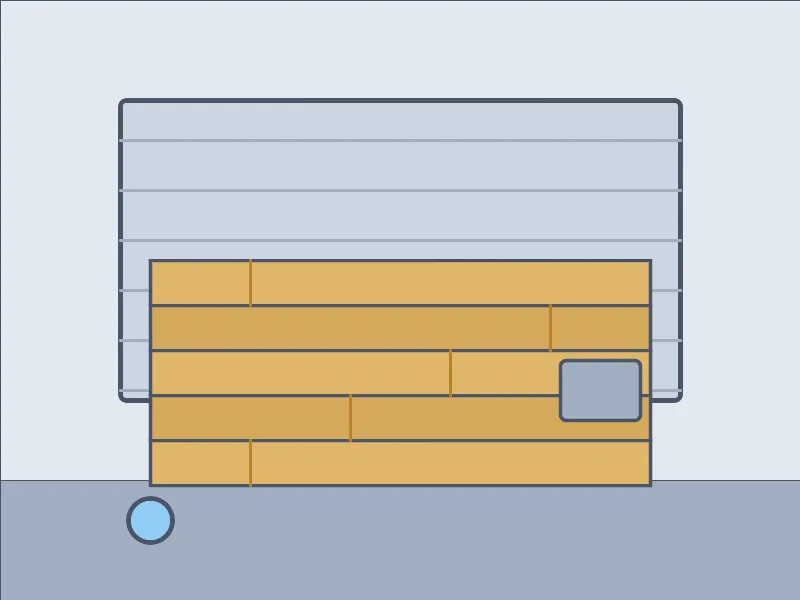
Bare concrete dusts, stains and wicks up moisture. A good sealer locks the surface down, sheds oil and makes the whole garage easier to clean. How to seal a garage floor starts with an empty garage and a plastic square taped down overnight to check for moisture.
1. Clear and test the floor
1. Empty the garage completely.
2. Tape a plastic square to the floor overnight to check for moisture.
3. Condensation under the plastic means a moisture problem to fix first.
4. Sealing over moisture traps it and ruins the bond.
2. Degrease the concrete
1. Scrub oil spots with a concrete degreaser.
2. Work it in with a stiff brush and let it dwell.
3. Rinse thoroughly; residue blocks sealer adhesion.
4. Stubborn stains may need a second treatment.
3. Deep clean the whole slab
1. Pressure wash or scrub the entire floor.
2. Remove all dirt, dust and old flaking sealer.
3. Let the floor dry completely, at least a full day.
4. Sealer over dirt peels off in sheets.
4. Repair cracks and pits
1. Widen hairline cracks slightly so patch material keys in.
2. Fill cracks and pits with concrete patch.
3. Smooth flush with the surrounding surface.
4. Let repairs cure per the product directions.
5. Etch the surface
1. Apply a concrete etcher per the label.
2. Scrub it in and let it fizz and work.
3. Rinse thoroughly and let the floor dry again.
4. Etching opens the pores so sealer grips instead of sitting on top.
6. Choose the right sealer
1. Penetrating sealers soak in and leave a natural look.
2. Acrylic sealers add a thin sheen and easier cleaning.
3. Epoxy coatings give the toughest, glossiest finish.
4. Match the product to traffic, moisture and the look you want.
7. Apply the sealer
1. Cut in edges with a brush, then roll or spray the field.
2. Work in thin, even coats toward the exit.
3. Follow the label on coverage and recoat times.
4. Two thin coats beat one thick, puddled coat.
8. Let it cure fully
1. Keep foot traffic off for the time the label specifies.
2. Keep vehicles off for several days, often a week.
3. Avoid dragging items across the fresh surface.
4. Full cure is what gives the sealer its hardness and stain resistance.
Common mistakes
- Sealing a damp floor, which traps moisture and clouds or peels the finish.
- Skipping degreasing, so the sealer lifts around every old oil spot.
- Applying one thick coat instead of two thin, even ones.
- Parking on the floor before full cure, leaving tire marks in the finish.
FAQ
How long does garage floor sealer last?
Penetrating sealers often last five years or more; acrylics typically need recoating every one to three years depending on traffic. Epoxy coatings can last a decade with good prep.
Can I seal a garage floor myself?
Yes. Cleaning, etching and rolling on a sealer is a manageable weekend DIY. The prep work matters far more than the application, so budget most of your time there.
What is the difference between sealer and epoxy?
Sealers soak in or form a thin film to block stains and dust. Epoxy is a thick, hard coating that resists chemicals and abrasion far better but demands more prep and care to apply.
When is the best time to seal a garage floor?
Mild, dry weather, roughly 50 to 80 degrees Fahrenheit, with no rain in the forecast. Concrete must be fully dry, and extreme heat or cold interferes with curing.
Related guides
- How to Epoxy a Garage Floor That Lasts: Learn how to epoxy a garage floor: clean and etch the concrete, repair cracks, apply the coating evenly, and...
- How to Remove Oil Stains From a Garage Floor (Concrete): Learn how to remove oil stains from a garage floor: soak up fresh spills, scrub with degreaser or a poultice,...
- How to Paint a Basement Floor: Learn how to paint a basement floor with the right prep, a concrete rated coating and the moisture test that...
- How to Clean a Garage Floor From Top to Bottom: Learn how to clean a garage floor: clear it out, sweep and degrease, scrub stains, rinse and dry, and protect...
- How to Set Fence Posts in Concrete: Learn how to set fence posts in concrete: call 811, lay out the line, dig below the frost line, set each post...
 Garage and OutdoorsHow to Epoxy a Garage Floor That LastsLearn how to epoxy a garage floor: clean and etch the concrete, repair cracks, apply the coating evenly, and let it cure fully.
 Garage and OutdoorsHow to Remove Oil Stains From a Garage Floor (Concrete)Learn how to remove oil stains from a garage floor: soak up fresh spills, scrub with degreaser or a poultice, dispose of waste safely and seal the concrete.
 BasementHow to Paint a Basement FloorLearn how to paint a basement floor with the right prep, a concrete rated coating and the moisture test that decides whether paint will hold.
 Garage and OutdoorsHow to Clean a Garage Floor From Top to BottomLearn how to clean a garage floor: clear it out, sweep and degrease, scrub stains, rinse and dry, and protect the concrete afterward.
 Garage and OutdoorsHow to Set Fence Posts in ConcreteLearn how to set fence posts in concrete: call 811, lay out the line, dig below the frost line, set each post plumb, brace it and pour and slope the concrete.