
How to Anchor Into Drywall: Pick the Right Anchor
Part of: Floors, walls and doors · Also in: The Complete Guide to Home Wall and Floor Repair
- Difficulty
- Easy
- Time
- 10 to 20 minutes per item
- Tools
- A drill and bits, the right anchors, a screwdriver, a stud finder, a level
- Call a pro if
- The item is heavy and could hurt someone if it fell, like a large TV or a cabinet over a bed, since that job deserves a pro's anchors into framing.
In this guide
- Wear protection
Drywall holds almost nothing on its own, which is why anchors exist. Learning how to anchor into drywall is mostly learning which anchor matches which weight, because every failure story starts with a light-duty anchor doing a heavy-duty job. Here is the full menu and how to install each type.
1. Know when you need an anchor at all
Sometimes the stud is the anchor.
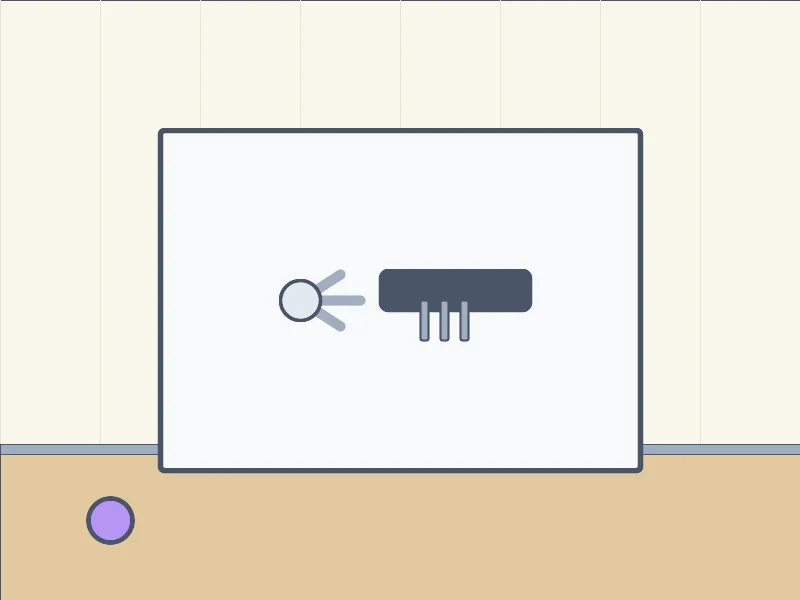
1. Anything heavy should first try for a stud; a stud finder, the tap test, or measuring sixteen inches from a corner all locate one.
2. Screws into studs beat every anchor made.
3. Anchors are for the spaces between studs, where most things actually need to hang.
4. Renters should check lease rules first and consider renter friendly ways to hang things without damage for light items.
2. Match the anchor to the weight
The decision that matters most.
1. Under ten pounds: adhesive hooks or small plastic expansion anchors.
2. Ten to twenty-five pounds: self-drilling threaded anchors.
3. Twenty-five to fifty pounds: toggle bolts or snap toggles.
4. Over fifty pounds: find a stud or rethink the mount; drywall is the wrong foundation.
3. Install plastic expansion anchors
The light-duty workhorse.
1. Drill a pilot hole the size on the anchor package, not bigger.
2. Tap the anchor flush with a hammer; it should fit snugly.
3. Drive the screw and let the anchor expand behind it.
4. If the anchor spins in the hole, the hole is too big; move up a size or patch and relocate.
4. Install self-drilling threaded anchors
The fastest option for medium loads.
1. No pilot hole needed: the anchor's tip drills its own way in with a screwdriver or drill.
2. Drive it flush and square; crooked anchors hold poorly.
3. Add the screw and the fixture.
4. These excel for curtain rods, towel bars and small shelves within their rating.
5. Install toggle bolts
The heavyweight of hollow-wall anchors.
1. Drill the larger hole the toggle requires; it surprises first-timers.
2. Thread the toggle onto the bolt, fold it, and push it through until it springs open behind the wall.
3. Pull back gently while tightening so the toggle seats against the drywall's back face.
4. Removing the bolt later drops the toggle inside the wall; that is normal, and how to fill picture holes before moving out covers patching the hole.
6. Get the mounting details right
Small habits, big holding power.
1. Use a level before drilling, not after.
2. Keep at least two anchors for anything wider than a foot.
3. Account for dynamic loads: a towel bar gets yanked, a shelf gets loaded gradually; rate for the yank.
4. Test the mount with gradual pressure before trusting it with the good vase.
7. Recover from failures cleanly
Anchors pull out; the fix is simple.
1. A pulled anchor leaves a torn hole: move up one anchor size, or patch and shift the mount an inch.
2. Crumbling, old drywall holds poorly everywhere; mount to studs in that wall instead.
3. How to patch a small hole in drywall makes the old spot disappear.
4. If a heavy item must go exactly there and studs miss, open the wall and add blocking, or hire it out.
Common mistakes
- Using a light plastic anchor for a shelf full of books.
- Drilling the pilot hole too big so the anchor spins.
- Hanging heavy items from drywall when a stud was inches away.
- Ignoring the dynamic load of towel bars and grab points.
- Drilling without checking for hidden wires and pipes.
Related guides
- How to Hang a Shelf: Brackets, Anchors and Level Lines
- How to Anchor Into Tile
- How to Install a Stair Handrail
- How to Anchor a Heavy Item Into a Brick Wall
- How to Anchor a Shed to the Ground
FAQ
How do you anchor into drywall?
Match the anchor to the load: plastic expansion anchors under ten pounds, self-drilling anchors to about twenty-five, toggle bolts to about fifty. Drill the right-size hole, seat the anchor, and drive the screw.
How much weight can a drywall anchor hold?
Ratings range from about ten pounds for small plastic anchors to fifty pounds or more for toggle bolts in good drywall. Treat ratings as maximums, keep a safety margin, and double up anchors on wide items.
Can you hang a TV on drywall with anchors?
Only small TVs with proper toggle or snap anchors rated well above the TV's weight. Larger TVs should mount to studs; the consequence of failure is too high to trust to drywall alone.
What if the drywall anchor keeps spinning?
The hole is too large for the anchor. Move up one anchor size, or patch the hole, shift the mount an inch, and redrill to the correct size.
More from this topic
- How to Hang a Heavy Mirror on Drywall Without It Falling: Learn how to hang a heavy mirror on drywall: find the weight, locate studs, pick the right hardware and level...
- How to Use Wall Anchors for a Rock-Solid Hold: Learn how to use wall anchors: pick the right type for the weight, drill the right size hole, and set them so...
- How to Hang a Shelf: Brackets, Anchors and Level Lines: How to hang a shelf that stays up: pick the right brackets, find studs or use proper anchors, and level it so...
- How to Anchor a Heavy Item Into a Brick Wall: Learn how to anchor a heavy item into a brick wall: pick the fixing for the load, drill the brick not the...
- How to Hang a Curtain Rod: Height, Width and Secure Mounting: Learn how to hang a curtain rod at the right height and width, find studs, choose anchors and keep a long rod...
 Walls and PaintHow to Hang a Heavy Mirror on Drywall Without It FallingLearn how to hang a heavy mirror on drywall: find the weight, locate studs, pick the right hardware and level it so it stays up for years.
 Tools and BasicsHow to Use Wall Anchors for a Rock-Solid HoldLearn how to use wall anchors: pick the right type for the weight, drill the right size hole, and set them so shelves stay up.
 Walls and PaintHow to Hang a Shelf: Brackets, Anchors and Level LinesHow to hang a shelf that stays up: pick the right brackets, find studs or use proper anchors, and level it so it stays level.
 Tools and BasicsHow to Anchor a Heavy Item Into a Brick WallLearn how to anchor a heavy item into a brick wall: pick the fixing for the load, drill the brick not the mortar and test before loading it.
 Walls and PaintHow to Hang a Curtain Rod: Height, Width and Secure MountingLearn how to hang a curtain rod at the right height and width, find studs, choose anchors and keep a long rod from sagging in the middle.