
Renter-Friendly Ways to Hang Things
Part of: Floors, walls and doors
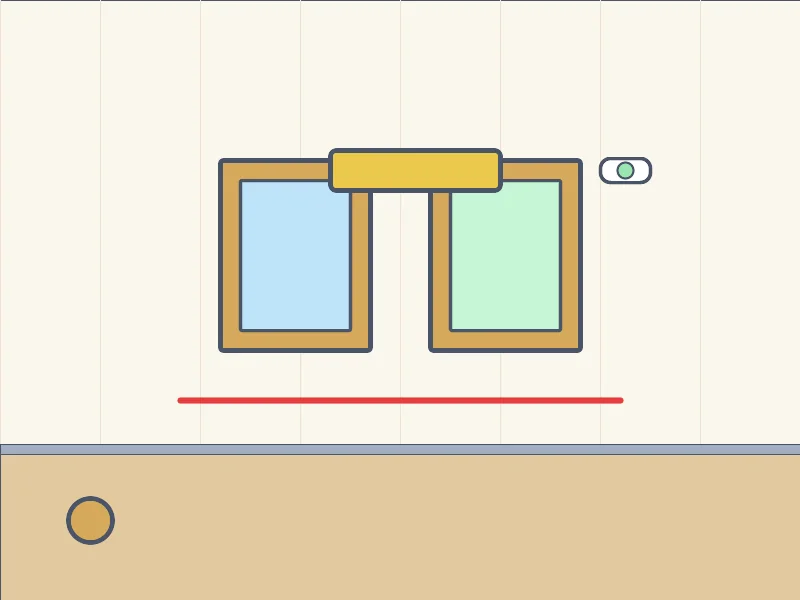
- Difficulty
- Easy
- Time
- A few minutes per item, plus curing time for adhesives
- Tools
- Adhesive hooks and strips rated for the weight, rubbing alcohol for surface prep, a level
- Call a pro if
- Nothing here needs a pro, but anything heavy over a bed or crib, like a large mirror, deserves a proper anchor and your landlord's written okay.
In this guide
A rental does not have to mean bare walls. The trick to renter-friendly ways to hang things is matching the method to the weight and to the surface, and doing the two minutes of prep that decides whether adhesive holds or fails. Here is what works, what it holds and how to remove it cleanly at move-out.
1. Weigh the item before choosing the method
Weight is the whole decision.
1. Kitchen scale first; guesses about weight are how frames end up on the floor.
2. Under a pound or two: small adhesive hooks and poster strips.
3. Up to the rated limit, often five to fifteen pounds per set: adhesive picture strips and larger hooks.
4. Heavier than that: leaning, tension or a conversation with your landlord about anchors.
2. Prep the wall like it matters, because it does
Adhesive fails on prep, not on quality.
1. Clean the spot with rubbing alcohol and let it dry fully.
2. Avoid freshly painted walls; most adhesives need paint cured for weeks.
3. Textured walls and wallpaper reduce grip dramatically; test first.
4. Press the strip firmly for the full time the pack says, usually 30 seconds.
3. Use picture strips for frames
Strips are the frame standard for a reason.
1. Use two pairs minimum, one per side, more as weight rises.
2. Snap the pairs together, press the frame to the wall and hold.
3. Respect the cure time before letting go of the frame's full weight.
4. Check level with an actual level, since strips are unforgiving about repositioning.
4. Use adhesive hooks for everything else
Hooks cover the utility jobs.
1. Coats by the door, keys, towels on the back of a bathroom door, string lights.
2. Choose the hook rated above your load, not at it.
3. For string lights, space small clear hooks every couple of feet along the route.
4. In humid bathrooms, buy the versions rated for humidity.
5. Lean and stand instead of hanging
The floor is a free, deposit-safe anchor.
1. Large mirrors and framed art lean securely on dressers and consoles against the wall.
2. Ladder shelves and etageres hold plants and frames with zero wall contact.
3. Tall bookshelves take the visual weight a gallery wall would carry.
4. Put a small piece of felt or rubber under leaning frames so they do not slide.
6. Use tension where it fits
Pressure does the work in the right spots.
1. Tension rods inside window frames hold lightweight curtains with no holes.
2. Tension caddies in showers and tension poles in corners add storage.
3. Over-the-door hooks and racks turn doors into storage without touching walls.
4. Keep tension rod loads light; a falling rod with wet curtains is a mess, not a repair.
7. Remove everything the right way at move-out
Removal technique decides whether you get the deposit back.
1. Pull adhesive strips slowly, straight down along the wall, stretching them until they release; never yank outward.
2. Warm stubborn adhesive with a hair dryer on low.
3. If a spot of paint does lift, our guide on hanging pictures in a rental covers the touch-up side.
4. Photograph the walls after removal for your records, as you would when requesting a repair from your landlord.
Common mistakes
- Hanging at or above the adhesive's rated weight.
- Skipping the alcohol wipe and blaming the product.
- Hanging immediately instead of respecting the cure time.
- Using adhesives on textured walls, brick or wallpaper and expecting pack ratings.
- Ripping strips straight off the wall at move-out and taking paint with them.
FAQ
Do adhesive strips really hold frames?
Yes, within their rating, on clean, smooth, fully cured paint. The failures almost always trace to dirty walls, fresh paint, texture or exceeding the weight rating.
What can I hang without nails on a textured wall?
Adhesives grip poorly on texture. Lean larger pieces, use tension rods where they fit, and use over-the-door options. For anything that must go on the wall, ask the landlord about a few proper anchors.
How do I remove adhesive hooks without peeling paint?
Stretch the tab slowly, straight down, parallel to the wall, until it releases. Warm it with a hair dryer on low if it resists. The slow stretch is what saves the paint.
Can I hang a TV in a rental without damage?
Wall-mounting a TV needs real anchors into studs or masonry, so that is a landlord conversation in writing. A sturdy media console or a floor stand achieves the same result without the holes.
Related guides
- How to Hang Pictures in a Rental Without Damaging Walls: Learn how to hang pictures in a rental without damaging walls: match the fixing to the weight, hang at eye...
- How to Hang a Heavy Mirror on Drywall Without It Falling: Learn how to hang a heavy mirror on drywall: find the weight, locate studs, pick the right hardware and level...
- How to Hang Bikes in a Garage Without Damaging Them: Learn how to hang bikes in a garage: choose wall or ceiling storage, find the studs, mount hooks or a hoist...
- How to Hang Two Pictures Level: Learn how to hang two pictures level with a tape measure, a level and the right hangers, so a pair lines up...
- How to Paint Over a Water Stain Without It Bleeding Back: Learn how to paint over a water stain the right way: fix the leak first, dry the surface, seal with a...
 First HomeHow to Hang Pictures in a Rental Without Damaging WallsLearn how to hang pictures in a rental without damaging walls: match the fixing to the weight, hang at eye level and remove it all cleanly.
 Walls and PaintHow to Hang a Heavy Mirror on Drywall Without It FallingLearn how to hang a heavy mirror on drywall: find the weight, locate studs, pick the right hardware and level it so it stays up for years.
 Garage and OutdoorsHow to Hang Bikes in a Garage Without Damaging ThemLearn how to hang bikes in a garage: choose wall or ceiling storage, find the studs, mount hooks or a hoist safely and keep the floor clear.
 DrywallHow to Hang Two Pictures LevelLearn how to hang two pictures level with a tape measure, a level and the right hangers, so a pair lines up on the first try.
 Walls and PaintHow to Paint Over a Water Stain Without It Bleeding BackLearn how to paint over a water stain the right way: fix the leak first, dry the surface, seal with a stain-blocking primer, then paint so the mark stays gone.