
How to Anchor a Heavy Item Into a Brick Wall
Part of: Tools and everyday fixes
- Difficulty
- Moderate
- Time
- 1 to 2 hours
- Tools
- Hammer drill with masonry bits, vacuum and brush, tape measure, level, pencil, masonry anchors or sleeve anchors, wrench, safety glasses, dust mask, hearing protection
- Call a pro if
- The item weighs more than about 50 pounds, the wall is hollow or cracked, or it is a chimney breast, since those need an assessment and often a structural fixing.
In this guide
- Wear protection
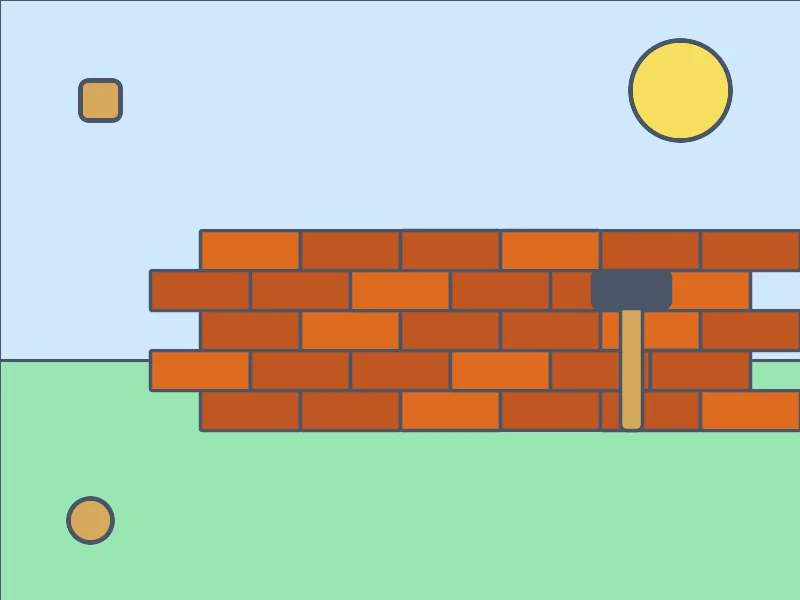
Brick holds a heavy shelf or a wall cabinet well, if the fixing is right and it goes into the brick rather than the mortar. Here is how to anchor a heavy item into a brick wall.
1. Check the wall and the load
1. Work out what the item weighs, including what goes on it.
2. Check the brickwork for cracks and hollow spots.
3. Tap the wall: a hollow sound may mean a cavity.
4. Decide whether the load needs a sleeve anchor, a resin fixing or a French cleat.
2. Plan the fixing positions
1. Mark the fixing points on the item first.
2. Hold the item against the wall or use a template.
3. Level the marks before drilling.
4. Keep fixings at least 2 inches from the edge of a brick.
3. Choose the anchor
1. Use a sleeve anchor for solid brick and concrete.
2. Use a screw and plug for light loads in solid brick.
3. Use a resin anchor for hollow or crumbly brick.
4. Match the anchor length to the item plus the embedment depth.
5. Read the anchor's rated load and stay well below it.
4. Drill the hole
1. Use a hammer drill with a masonry bit the same size as the anchor.
2. Start slowly without hammer action to stop the bit wandering.
3. Drill into the brick face, not the mortar joint.
4. Drill to the depth marked on the bit.
5. Clear the hole
1. Brush out the dust with a bottle brush.
2. Vacuum the hole.
3. Blow it out if you have a blower.
4. Repeat, since dust stops the anchor gripping.
6. Fit the anchor
1. Tap the anchor in with a hammer until the nut is against the item.
2. Tighten the nut with a wrench.
3. Tighten until the anchor expands and grips, not until it spins.
4. Check the item is level and plumb as you tighten.
7. Test before loading
1. Hang a light load first, or pull firmly on the fixing.
2. Watch for movement or a crumbling hole.
3. If an anchor spins, move to a fresh spot.
4. Do not reuse a failed hole.
8. Deal with problem walls
1. Hollow brick needs a resin anchor or a specialist fixing.
2. Crumbling mortar means moving to the brick face.
3. A single skin wall may need a spreader plate behind.
4. A chimney breast is often not suitable for heavy loads.
5. Stop and get advice rather than guessing.
9. Finish and check
1. Cap exposed threads or cut them flush.
2. Seal around the fixing outdoors to stop water getting in.
3. Recheck the fixings after a month.
4. Check again after any impact or heavy load.
Common mistakes
- Drilling into mortar joints, which crumble under load.
- Not clearing dust, so the anchor never grips.
- Using a plug rated for far less than the load.
- Over-tightening and cracking the brick.
- Hanging weight before testing the fixing.
Related guides
- How to Drill Into Tile Without Cracking It
- How to Anchor Into Tile
- How to Install a Shelf on a Brick Wall
- How to Clean a Brick Wall
- How to Fix a Wall Anchor That Came Out
FAQ
Should I drill into brick or mortar?
Into the brick face, at least 2 inches from the edge. Mortar is softer and fails under load.
What is the strongest anchor for brick?
A resin anchor in a clean hole, or a sleeve anchor in solid brick. The right choice depends on the brick.
Can I hang a TV on a brick wall?
Yes with the right anchors and a bracket fixed into solid brick. Check the bracket's rated load first.
How much weight can a brick wall hold?
It depends on the brick and the anchor. Stay well under the anchor's rating and use more fixings for heavier loads.
More from this topic
- How to Anchor Into Drywall: Pick the Right Anchor: How to anchor into drywall: match the anchor to the weight, drill the right hole, and know when to find a...
- How to Drill a Straight Hole in Wood: Learn how to drill a straight hole in wood: mark both faces, start with a pilot, hold the drill square and...
- How to Drill Into Tile Without Cracking It: Learn how to drill into tile: use a carbide or diamond bit, tape the surface, start slow and keep the bit...
- How to Use a Stud Finder: Learn how to use a stud finder: calibrate on a clear wall, scan slowly, mark both edges of a stud and confirm...
- How to Use Wall Anchors for a Rock-Solid Hold: Learn how to use wall anchors: pick the right type for the weight, drill the right size hole, and set them so...
 Walls and PaintHow to Anchor Into Drywall: Pick the Right AnchorHow to anchor into drywall: match the anchor to the weight, drill the right hole, and know when to find a stud instead. Every anchor type covered.
 Tools and BasicsHow to Drill a Straight Hole in WoodLearn how to drill a straight hole in wood: mark both faces, start with a pilot, hold the drill square and check the exit before breakthrough.
 Tools and BasicsHow to Drill Into Tile Without Cracking ItLearn how to drill into tile: use a carbide or diamond bit, tape the surface, start slow and keep the bit cool so the glaze never chips.
 Tools and BasicsHow to Use a Stud FinderLearn how to use a stud finder: calibrate on a clear wall, scan slowly, mark both edges of a stud and confirm with a nail before you drill.
 Tools and BasicsHow to Use Wall Anchors for a Rock-Solid HoldLearn how to use wall anchors: pick the right type for the weight, drill the right size hole, and set them so shelves stay up.