
How to Drill a Straight Hole in Wood
Part of: Tools and everyday fixes · Also in: The Complete Guide to First Home Essentials and Basic Tools
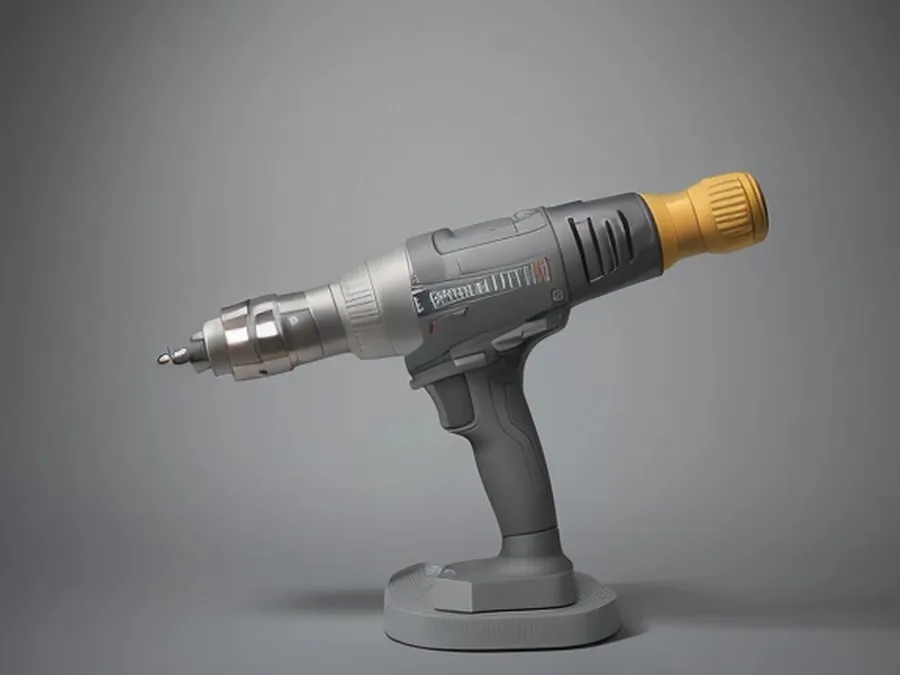
- Difficulty
- Easy
- Time
- 15 minutes to learn
- Tools
- Cordless drill, drill bits, bradawl or nail, square, pencil, clamp, scrap wood, safety glasses
- Call a pro if
- The hole is for a gas pipe, a flue or anything structural, since those need the right trade and often a permit.
In this guide
- Power off first
- Gas safety
- Wear protection
A hole at an angle ruins a shelf, a hinge or a dowel joint. Straight holes come from three habits: a pilot, a square reference and an even grip. Here is how to drill a straight hole in wood.
1. Mark the hole accurately
1. Measure twice from a fixed reference.
2. Mark the center with a pencil cross.
3. Press a bradawl or a nail to make a small dent.
4. The dent stops the bit wandering on a smooth surface.
2. Choose the right bit
1. Use a brad point bit for clean holes in wood.
2. Use a twist bit for general work.
3. Use a Forstner bit for a flat bottomed hole.
4. Match the bit to the screw or fixing, not to guesswork.
3. Start with a pilot hole
1. Use a bit narrower than the final size.
2. Drill the pilot slowly and straight.
3. Check the angle from two directions before going deeper.
4. The pilot guides the larger bit afterward.
4. Hold the drill square
1. Stand so the drill is at eye level where possible.
2. Check the bit against a square held beside it.
3. Sight along the drill body, not just the bit.
4. Keep your wrist straight and your elbow in.
5. Grip and control
1. Hold the drill with one hand on the grip and the other on the body.
2. Keep the drill body level with the work.
3. Let the bit cut, and do not lean on the drill.
4. Back the bit out now and then to clear chips.
6. Watch the exit
1. Slow down when the bit tip breaks through.
2. Support the back of the work with scrap wood.
3. Reduce pressure to avoid tearing the far face.
4. Drill from the other side for a clean exit on visible work.
5. For a large hole, use a hole saw at a slow speed and clear the chips often.
7. Check as you go
1. Stop halfway and check the angle from the side.
2. Look at the bit where it enters the wood.
3. Correct early, since a hole cannot be straightened later.
4. Use a square to confirm the bit is perpendicular.
8. Avoid common drilling faults
1. A wobbling bit means it is bent or the chuck is loose.
2. Burning means the bit is dull or the speed is too high.
3. Splintering means no support on the exit face.
4. A wandering hole means no center dent.
9. Finish the hole
1. Clear the chips from the hole.
2. Sand the edges lightly on visible work.
3. Test fit the fixing before assembly.
4. Blow out dust before gluing or sealing.
Common mistakes
- No center dent, so the bit skates across the surface.
- Drilling freehand without checking the angle.
- Pushing hard, which overheats the bit and burns the wood.
- No backing board, so the exit face splinters.
- Using a dull bit and blaming the drill.
Related guides
- How to Cut a Hole With a Hole Saw
- How to Drill Into Tile Without Cracking It
- How to Drive a Screw Without Splitting Wood
- How to Measure and Mark for a Straight Cut
FAQ
How do I keep a drill bit from wandering?
Make a dent with a bradawl or a nail first, then start at a slow speed with light pressure.
Why does my drill bit burn the wood?
A dull bit, too high a speed or too much pressure. Sharpen or replace the bit and slow down.
Do I need a drill press for a straight hole?
No. A pilot hole, a square reference and a steady grip get a straight hole by hand.
How do I stop splintering on the back?
Clamp a scrap board behind the work, or drill halfway and finish from the other side.
More from this topic
- How to Drive a Screw Without Splitting Wood: Learn how to drive a screw without splitting wood: drill the right pilot hole, keep clear of the ends and use...
- How to Use a Chisel Safely: Learn how to use a chisel safely: keep both hands behind the edge, cut with the grain, sharpen often and...
- How to Use a Hand Saw: Learn how to use a hand saw: pick the right saw, mark and support the work, start the cut with a guide, use...
- How to Use a Jigsaw for Curves and Cutouts: Learn how to use a jigsaw: pick the right blade, set the speed and orbital action, support the work, cut...
- How to Anchor a Heavy Item Into a Brick Wall: Learn how to anchor a heavy item into a brick wall: pick the fixing for the load, drill the brick not the...
 Tools and BasicsHow to Drive a Screw Without Splitting WoodLearn how to drive a screw without splitting wood: drill the right pilot hole, keep clear of the ends and use the correct driver bit.
 Tools and BasicsHow to Use a Chisel SafelyLearn how to use a chisel safely: keep both hands behind the edge, cut with the grain, sharpen often and store it with a guard on.
 Tools and BasicsHow to Use a Hand SawLearn how to use a hand saw: pick the right saw, mark and support the work, start the cut with a guide, use long steady strokes and finish without splintering.
 Tools and BasicsHow to Use a Jigsaw for Curves and CutoutsLearn how to use a jigsaw: pick the right blade, set the speed and orbital action, support the work, cut curves slowly and keep the base flat.
 Tools and BasicsHow to Anchor a Heavy Item Into a Brick WallLearn how to anchor a heavy item into a brick wall: pick the fixing for the load, drill the brick not the mortar and test before loading it.