
How to Cut a Hole With a Hole Saw
Part of: Tools and everyday fixes · Also in: The Complete Guide to First Home Essentials and Basic Tools
- Difficulty
- Easy
- Time
- 10 to 20 minutes
- Tools
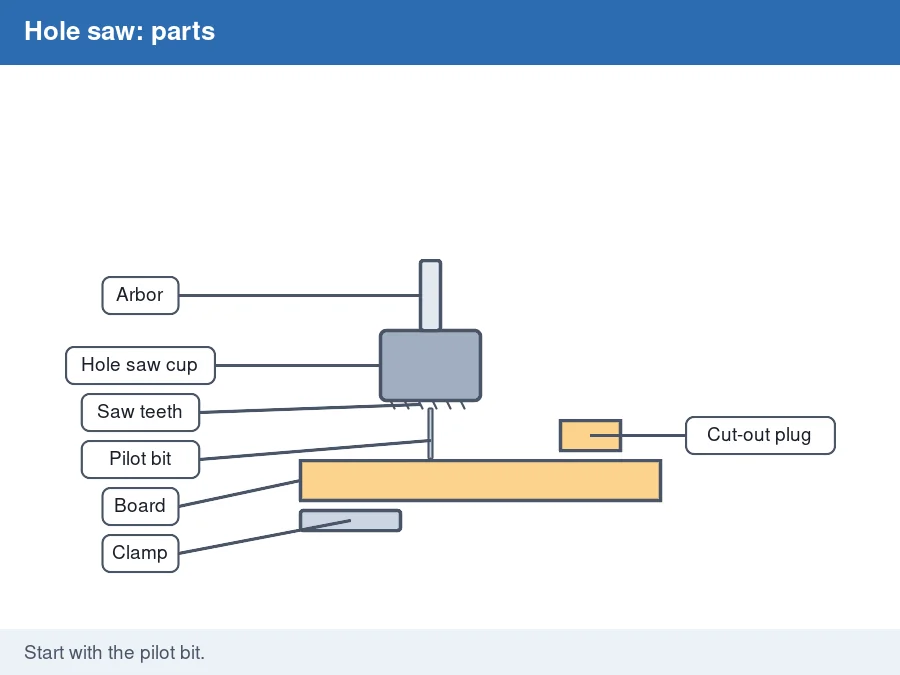
- hole saw and arbor, drill, pilot bit, clamps, scrap board, pencil, safety glasses, dust mask, cutting oil for metal
- Call a pro if
- The hole is larger than about 3 inches in a handheld drill, or the wall may contain pipes or wires where the hole goes.
In this guide
- Choose the right size and type
- Check what is behind the surface
- Mark the center, not the edge
- Fit the saw to the arbor correctly
- Clamp the work
- Start with the pilot bit
- Cut at low speed with steady pressure
- Cut from both sides for a clean exit
- Keep the saw cool in metal and tile
- Clear the plug and clean the hole
- Common mistakes
- Related guides
- FAQ
- When to call a pro
- Wear protection
Knowing how to cut a hole with a hole saw is a common need: a pipe through a cabinet, a vent through drywall, a lock in a door, a speaker in a panel. The tool cuts a clean hole when it is used slowly, but it will burn, wander, and splinter if it is rushed.
The method is the same for every material: mark the center, start with the pilot, cut halfway from one side, then finish from the other. That last step is what keeps the exit side clean.
1. Choose the right size and type
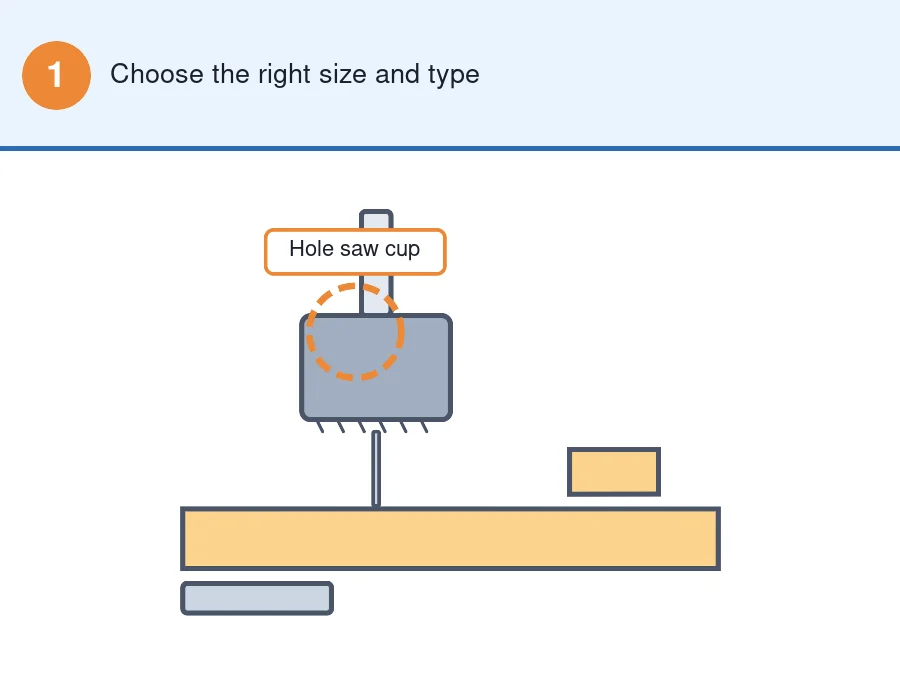
Hole saws are sized by the hole they cut. Buy the size you need, not the nearest one, since a hole that is an eighth of an inch off will not fit the pipe or fixture. Use a saw made for the material: fine teeth for metal, coarse for wood, and a grit edge for tile.
2. Check what is behind the surface
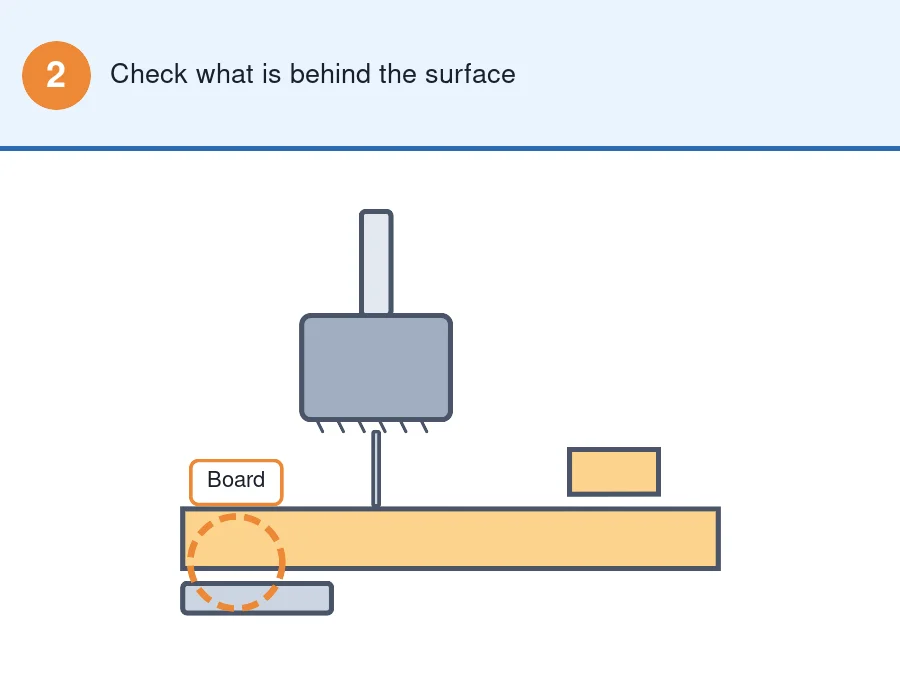
Before drilling, work out what is inside the wall or under the panel. Pipes, wires, and ductwork are all common where holes get cut. If you are not sure, drill a small exploratory hole with a thin bit first and look inside with a light.
3. Mark the center, not the edge
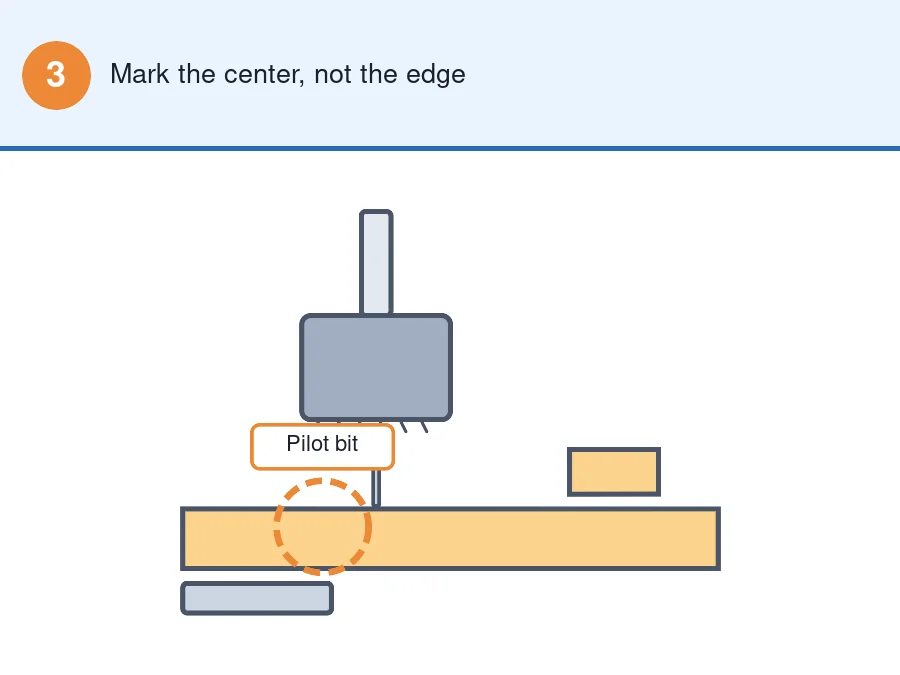
Mark the center of the hole with a pencil and make a small divot with an awl or a nail so the pilot bit does not wander. Marking the circle is fine for reference, but the pilot bit follows the center point.
4. Fit the saw to the arbor correctly
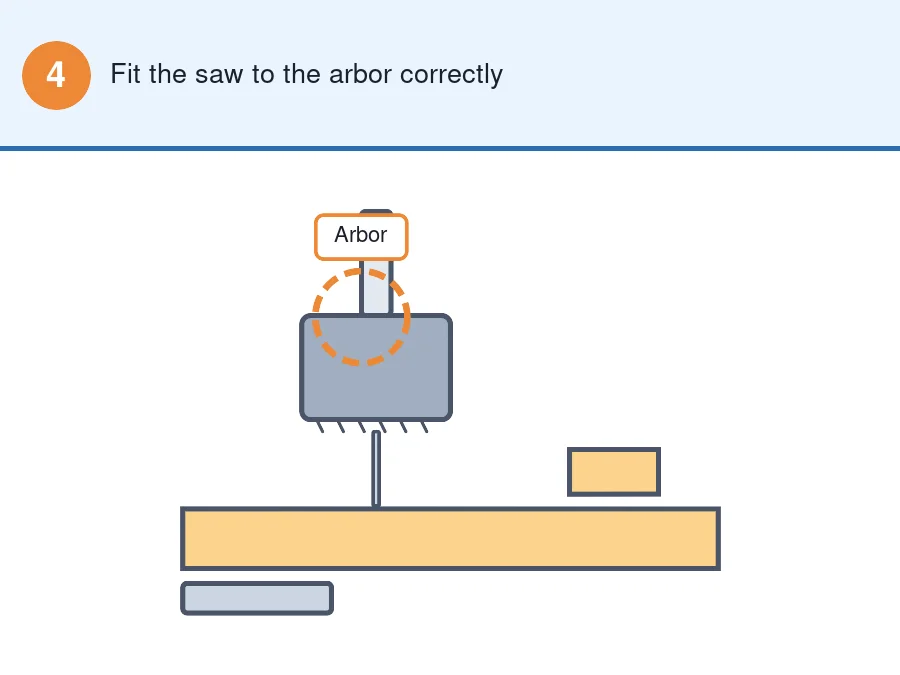
Thread the saw onto the arbor until it seats, and tighten the set screws if it has them. A loose saw wobbles and cuts an oversized hole. Make sure the pilot bit extends past the teeth by about the length of the teeth, not more.
5. Clamp the work
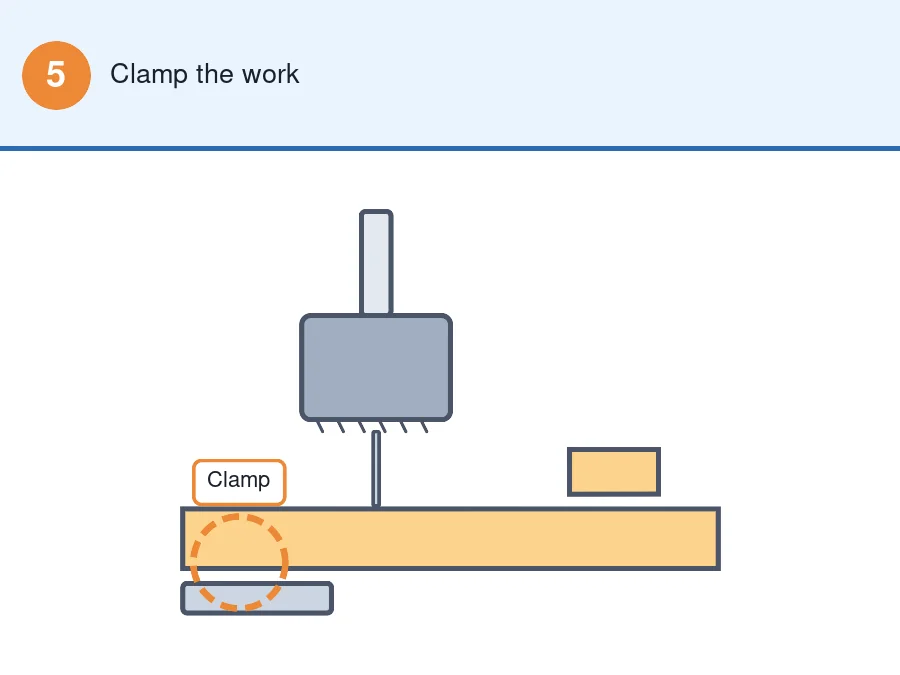
Clamp the piece so it cannot move. A hole saw catches when it breaks through, and a moving piece means a torn hole or a hurt hand. If the piece is too big to clamp, brace it against something solid.
6. Start with the pilot bit
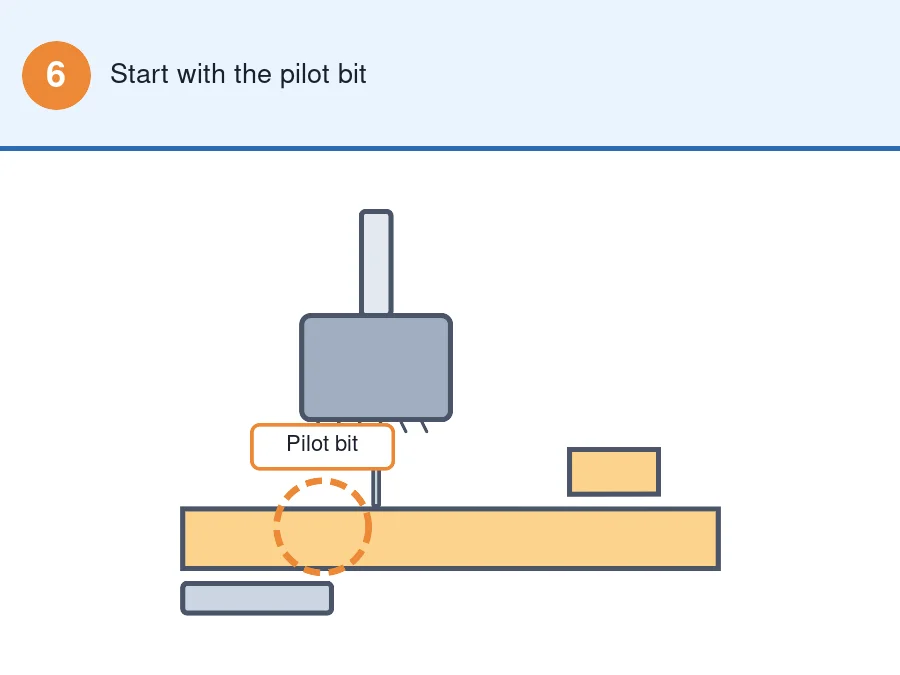
Drill the pilot hole at normal speed until it is through the material. This hole guides the saw and lets you check that the bit is coming out where you expect. On a wall, the pilot also shows you where to cut from the other side.
7. Cut at low speed with steady pressure
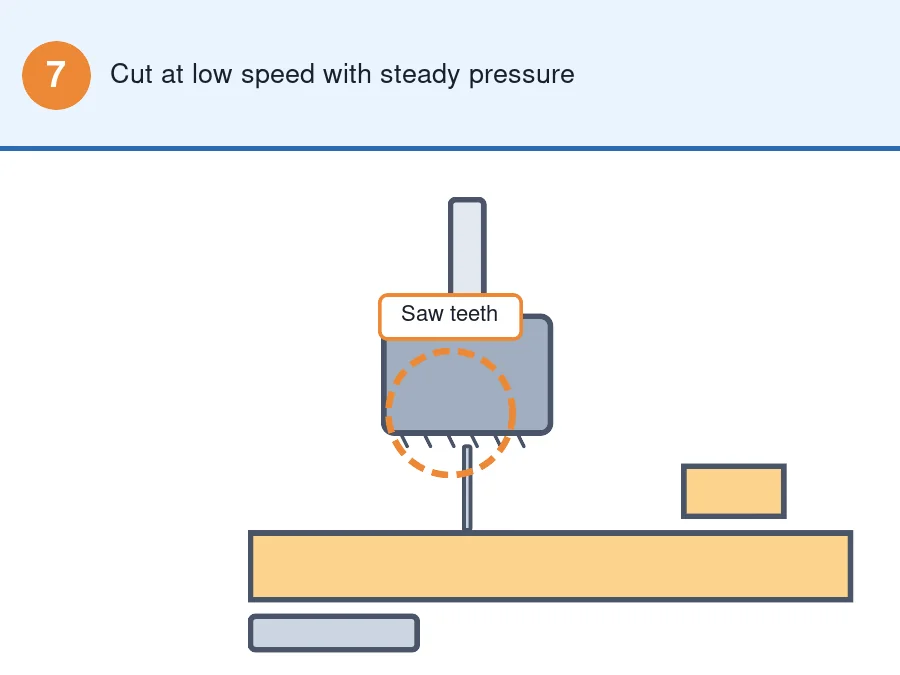
Slow the drill down and press firmly but evenly. High speed burns the teeth and overheats the saw. Let the teeth cut and clear the chips, and back the saw out every few seconds to clear the kerf, especially in deep material.
8. Cut from both sides for a clean exit
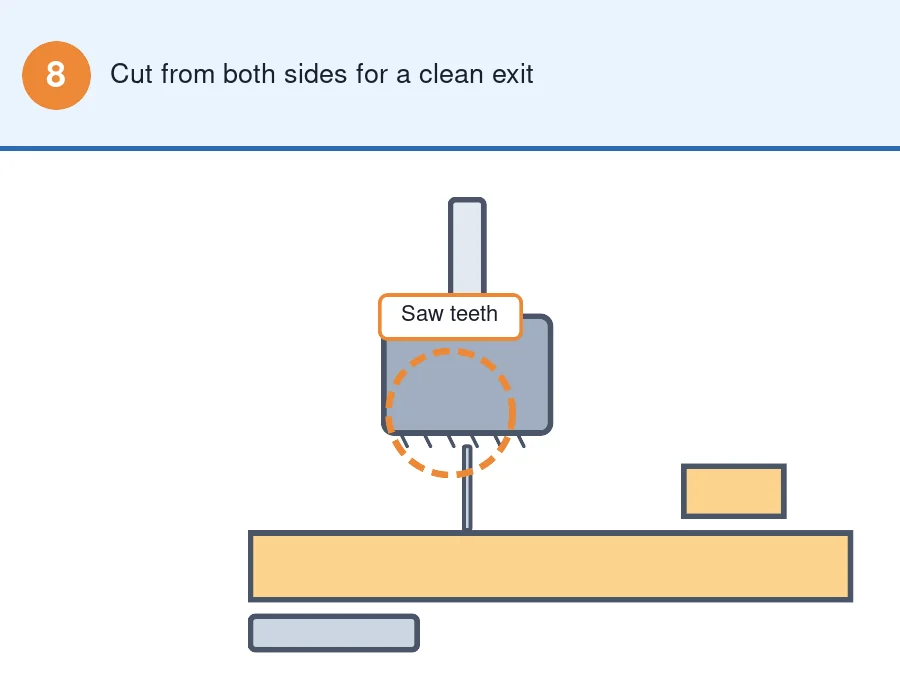
When the pilot bit breaks through, stop and finish the hole from the other side. This prevents splintering on the exit face, which matters on cabinet doors and paneling. Line up the pilot hole from the back and cut until the two cuts meet.
9. Keep the saw cool in metal and tile
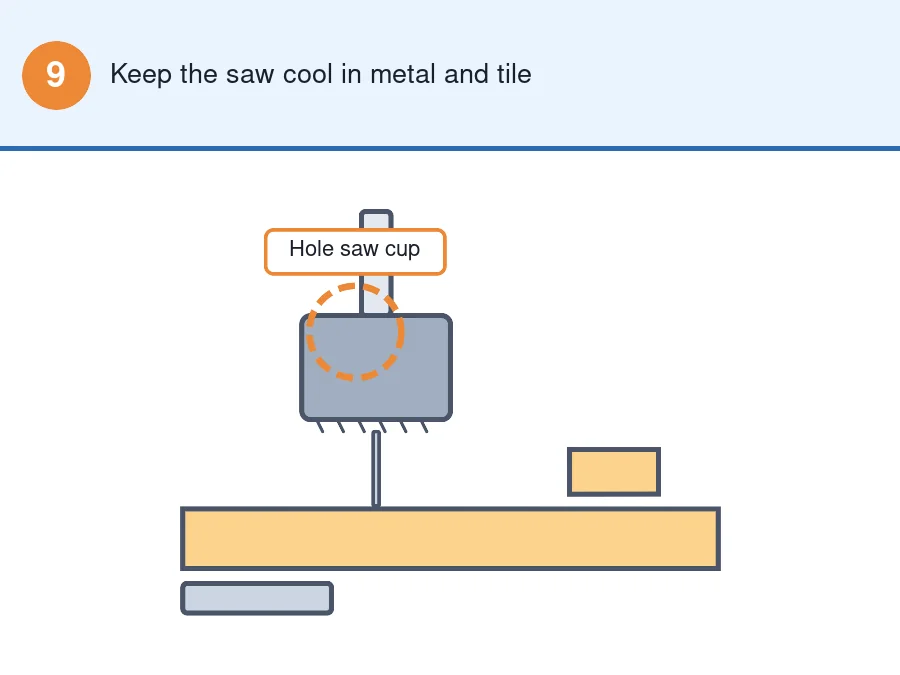
For metal, use a few drops of cutting oil and a very slow speed. For tile, use a grit edged saw with water. For wood and drywall, clearing the chips is enough. Heat is what kills a hole saw.
10. Clear the plug and clean the hole
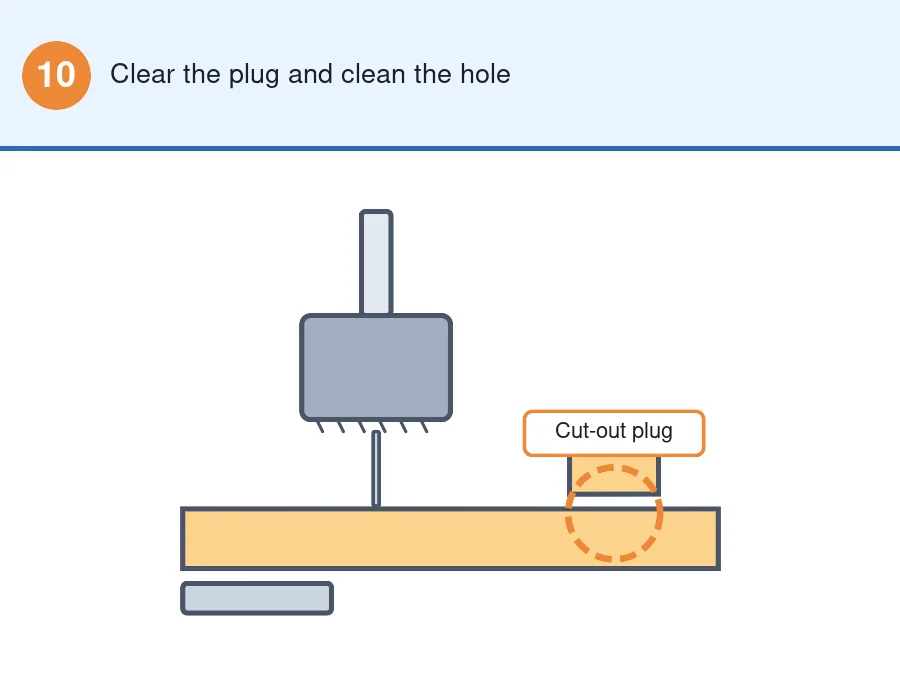
Push the plug out of the saw with a screwdriver from the back, never with your finger. Clean the hole edge with a knife or sandpaper if it is ragged, and vacuum the dust out before installing the pipe or fixture.
Common mistakes
- Using the nearest size instead of the right one, so the fitting does not fit.
- Running the drill too fast, which burns the teeth and glazes the cut.
- Cutting through in one pass, which splinters the exit side.
- Not clamping the work, so the saw catches and the piece spins.
- Forcing a dull saw, which overheats and wanders.
- Pushing the plug out with a finger and cutting yourself on the teeth.
Related guides
- How to Cut a Sheet of Plywood by Yourself
- How to Use a Framing Square
- How to Use a Hand Saw
- How to Cut a Drywall Hole for an Electrical Box
- How to Use a Coping Saw
FAQ
How do I keep a hole saw from wandering?
Make a divot at the center with an awl, start with the pilot bit at low speed, and hold the drill steady until the saw's rim is in the material.
Can I cut a large hole with a handheld drill?
Yes, up to about 3 inches with care. Larger holes are safer with a drill press or a right angle drill with a side handle.
Why does my hole saw burn the wood?
Too much speed and too little clearing of chips. Slow down and back the saw out often.
How do I cut a clean hole in a cabinet door?
Cut halfway from the front, then finish from the back using the pilot hole as a guide. That keeps both faces clean.
What size hole saw do I need for a pipe?
One that matches the outside diameter of the pipe or the fitting, not the inside diameter. Check the fitting you are installing.
More from this topic
- How to Cut a Sheet of Plywood by Yourself: Learn how to cut a sheet of plywood by yourself: support the sheet on foam, guide the saw against a straight...
- How to Use a Framing Square: How to use a framing square to mark square cuts, check a corner, and lay out stairs, with the numbers on the...
- How to Countersink a Screw: How to countersink a screw so the head sits flush or below the surface: pick the bit, set the depth, and...
- How to Cut a Miter Joint by Hand: How to cut a miter joint by hand: mark the real angle, use a miter box or bevel, and tune the cut so the two...
- How to Drill a Straight Hole in Wood: Learn how to drill a straight hole in wood: mark both faces, start with a pilot, hold the drill square and...
 Tools and BasicsHow to Cut a Sheet of Plywood by YourselfLearn how to cut a sheet of plywood by yourself: support the sheet on foam, guide the saw against a straight edge and cut the good face up.
 Tools and BasicsHow to Use a Framing SquareHow to use a framing square to mark square cuts, check a corner, and lay out stairs, with the numbers on the body and tongue explained.
 Tools and BasicsHow to Countersink a ScrewHow to countersink a screw so the head sits flush or below the surface: pick the bit, set the depth, and avoid splitting the wood.
 Tools and BasicsHow to Cut a Miter Joint by HandHow to cut a miter joint by hand: mark the real angle, use a miter box or bevel, and tune the cut so the two pieces close with no gap.
 Tools and BasicsHow to Drill a Straight Hole in WoodLearn how to drill a straight hole in wood: mark both faces, start with a pilot, hold the drill square and check the exit before breakthrough.