
How to Cut a Sheet of Plywood by Yourself
Part of: Tools and everyday fixes
- Difficulty
- Easy
- Time
- 30 to 60 minutes
- Tools
- Circular saw, sharp blade, straight edge or level, two clamps, foam insulation board or sawhorses, tape measure, pencil, safety glasses, dust mask, hearing protection
- Call a pro if
- You need cabinet grade accuracy or a curved cut, since a track saw or a shop with a panel saw will give a cleaner result.
In this guide
- Wear protection
- Chemical safety
A full sheet is 4 by 8 feet and awkward for one person. With the right support and a straight edge, one person can cut it accurately. Here is how to cut a sheet of plywood by yourself.
1. Plan the cuts before you buy
1. Sketch the parts on a sheet layout.
2. Allow for the saw kerf, the width of the cut.
3. Put the largest parts first and fit smaller ones around them.
4. Check the sheet has a good face and a rough face.
2. Set up support at a workable height
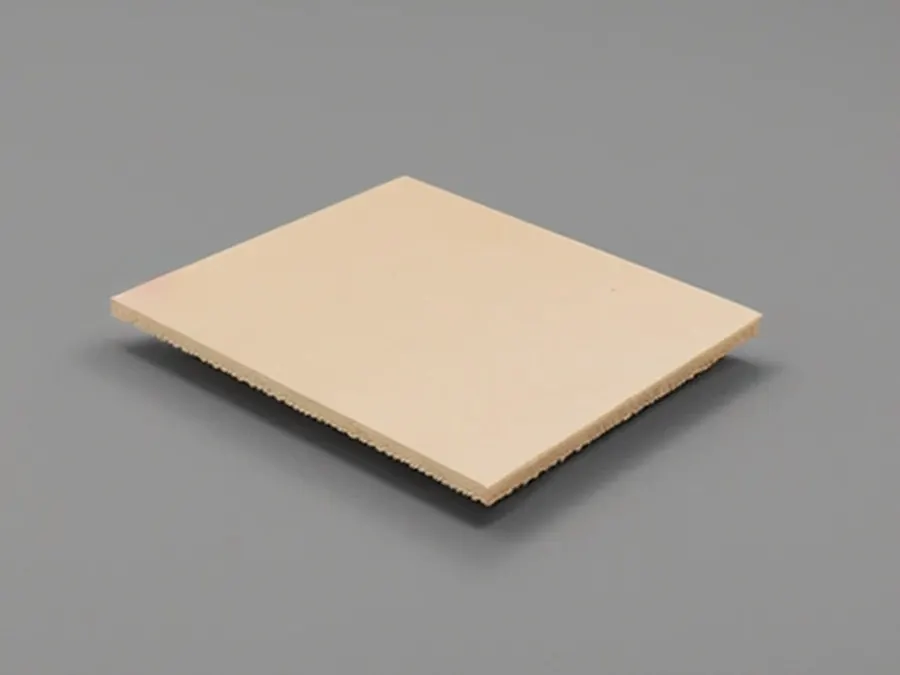
1. Lay rigid foam insulation board on the ground, or use two sawhorses.
2. Foam supports the whole sheet and lets the blade cut into it safely.
3. Sawhorses work if the cut line falls between them.
4. Keep the work at a height where you can control the saw.
3. Mark the cut
1. Measure from the factory edge, which is straight.
2. Mark at both ends and in the middle.
3. Draw the line with a pencil and a straight edge.
4. Write which side is waste.
5. Check the diagonal measurements if the part must be square.
4. Clamp a straight edge
1. Use a level, a straight board or a purpose made guide.
2. Offset the guide by the distance from the saw blade to the edge of the base plate.
3. Clamp it at both ends.
4. Check the offset at both ends, since a small error shows over 8 feet.
5. Set the blade depth
1. Set the blade to cut about a quarter inch deeper than the sheet.
2. Too deep and the blade cuts the support and slows down.
3. Too shallow and the blade binds.
4. Check the blade is sharp before starting.
6. Cut with the good face up
1. Place the sheet with the best face up.
2. A circular saw cuts cleanly on the top face.
3. Start the saw before the blade touches the wood.
4. Follow the guide with steady pressure.
5. Keep both hands on the saw, never on the sheet near the blade.
7. Support the offcut
1. Have the offcut supported so it does not drop and pinch.
2. Ask someone to hold it if you can, or use a second support.
3. Stop if the blade starts to bind, and reposition the support.
8. Finish the edges
1. Sand the cut edges lightly.
2. Check the part against the space before assembly.
3. Seal or prime cut edges on exterior work.
4. Label parts as you cut them.
9. Clean up safely
1. Vacuum the dust with a shop vac.
2. Wipe surfaces rather than sweeping dry dust around.
3. Store the offcuts flat, not leaning.
4. Check the blade for damage before the next job.
Common mistakes
- Cutting on sawhorses with no support under the cut line.
- Setting the blade too deep and hitting the floor.
- Measuring from a cut edge that is not straight.
- Not allowing for the saw kerf, so parts come out small.
- Letting the offcut fall and pinch the blade.
Related guides
FAQ
Can one person cut a full sheet of plywood?
Yes, with foam board on the ground or two sturdy sawhorses and a clamped straight edge.
Which side should face up when cutting?
The good face, since a circular saw leaves a cleaner cut on top and splinters underneath.
How do I cut a straight line without a track saw?
Clamp a straight edge offset by the base plate distance, and check the offset at both ends.
What blade should I use for plywood?
A fine tooth combination or plywood blade, which reduces splintering and tear out.
More from this topic
- How to Use a Circular Saw Safely: Learn how to use a circular saw safely: set the blade depth, support and clamp the work, cut on the waste...
- How to Cut a Hole With a Hole Saw: How to cut a hole with a hole saw that comes out round and clean: use a pilot bit, cut from both sides, and...
- How to Use a Jigsaw for Curves and Cutouts: Learn how to use a jigsaw: pick the right blade, set the speed and orbital action, support the work, cut...
- How to Build a Saw Horse: Learn how to build a saw horse: cut splayed legs, fix them to a top rail and brace it so it holds a heavy...
- How to Store Leftover Paint: How to store leftover paint so it stays usable: seal the can, label the room, keep it from freezing, and know...
 Tools and BasicsHow to Use a Circular Saw SafelyLearn how to use a circular saw safely: set the blade depth, support and clamp the work, cut on the waste side of the line and keep the guard free.
 Tools and BasicsHow to Cut a Hole With a Hole SawHow to cut a hole with a hole saw that comes out round and clean: use a pilot bit, cut from both sides, and keep the saw cool.
 Tools and BasicsHow to Use a Jigsaw for Curves and CutoutsLearn how to use a jigsaw: pick the right blade, set the speed and orbital action, support the work, cut curves slowly and keep the base flat.
 Tools and BasicsHow to Build a Saw HorseLearn how to build a saw horse: cut splayed legs, fix them to a top rail and brace it so it holds a heavy plank steady.
 Tools and BasicsHow to Store Leftover PaintHow to store leftover paint so it stays usable: seal the can, label the room, keep it from freezing, and know when to dispose of it.