
How to Use a Circular Saw Safely
Part of: Tools and everyday fixes
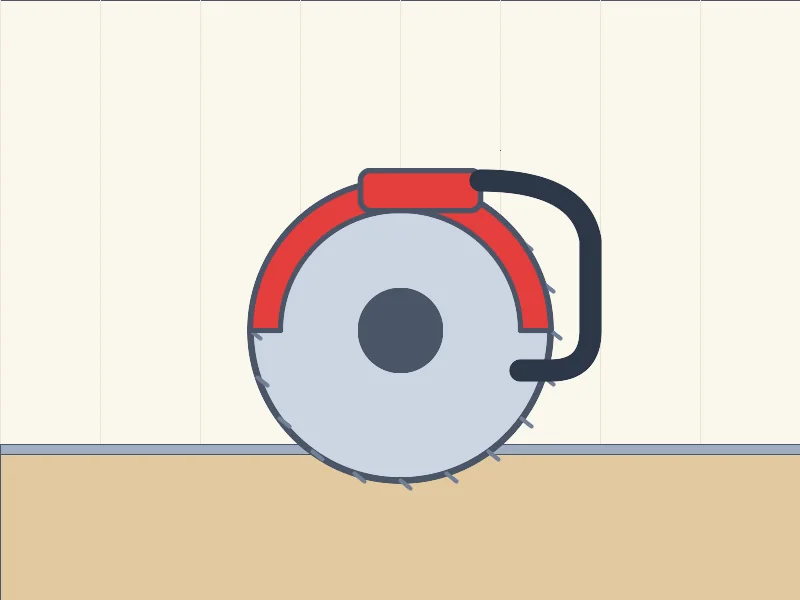
- Difficulty
- Moderate
- Time
- 30 minutes to learn, longer to get comfortable
- Tools
- Circular saw, straight edge or saw guide, clamps, safety glasses, hearing protection, dust mask, tape measure, pencil, sawhorses
- Call a pro if
- You need to cut a large sheet alone, cut overhead, or cut into a wall or floor, since those situations need support and often a different tool.
In this guide
- Power off first
- Wear protection
The circular saw is the tool that turns a stack of lumber into a project, and it is also the tool most likely to send a beginner to urgent care. Almost every injury comes from a piece that moved or a cut that was not supported. Get those two right and the saw becomes predictable. Here is how to use a circular saw safely.
1. Check the saw before you start
1. Read the manual and find the blade depth lever, the bevel adjustment and the trigger.
2. Check that the lower guard snaps back freely when you release it.
3. Inspect the blade for missing teeth or cracks, and replace it if it is damaged.
4. Make sure the blade is tight and the arbor bolt is secure.
5. Check the cord for cuts, and keep it behind the tool as you work.
2. Gear up
1. Safety glasses, not sunglasses, and hearing protection.
2. A dust mask when cutting manufactured board.
3. No loose sleeves, no dangling cords, no gloves near the blade.
4. Closed toe shoes, and hair tied back.
5. Earplugs for anyone else in the room.
3. Set the blade depth
1. Unplug the saw or remove the battery.
2. Set the blade so the teeth show about a quarter inch below the wood.
3. A shallow set cuts faster and exposes less blade.
4. Recheck the depth after any adjustment.
5. Lock the depth lever firmly.
4. Support the whole sheet
1. Set the board on sawhorses so both sides of the cut are supported.
2. Keep the offcut from pinching the blade, which causes kickback.
3. For a big sheet, use rigid foam or a sheet of insulation on the floor as a backer.
4. Never cut with one end hanging in the air.
5. Keep the work at a comfortable height, around waist level.
5. Mark and clamp a guide
1. Measure twice from the same edge and mark the cut line.
2. Mark the waste side clearly with an X.
3. Clamp a straight edge at the distance from the blade to the edge of the saw base.
4. Check the guide with a tape measure at both ends.
5. Clamp the work down so it cannot move.
6. Stand in the right place
1. Stand to the side of the saw line, not directly behind it.
2. Keep both feet stable and your body out of the kickback path.
3. Hold the saw with both hands, one on the main handle and one on the front knob.
4. Keep the cord and the hose clear of your feet.
5. Know where the blade will exit before you start.
7. Make the cut
1. Rest the front of the base on the work with the blade clear of the wood.
2. Start the saw and let it reach full speed.
3. Bring the blade to the line and follow the guide with light, steady pressure.
4. Let the saw do the cutting, since forcing it overheats the blade and wanders the cut.
5. Keep the base flat on the work the whole way through.
8. Finish and release
1. Keep the saw running until the blade clears the far edge.
2. Release the trigger and let the blade stop before you lift the saw.
3. Wait for the guard to close before you set the saw down.
4. Unplug or remove the battery before you change anything.
5. Brush the dust off the work, not with your hand near the blade.
9. Cut safely in awkward spots
1. Support a long cut with a helper at the far end.
2. For a plunge cut, lower the saw on the front of the base with the blade clear, then ease in.
3. Use a shorter blade or a different tool for cutting into a wall.
4. Never cut toward your body or across your leg.
5. If the cut feels wrong, stop, release the trigger and reset.
Our guide on measuring and marking for a straight cut covers the layout side.
Common mistakes
- Cutting with the work unsupported, so it pinches the blade.
- Setting the blade too deep, which exposes more teeth than needed.
- Standing in line with the blade.
- Holding the offcut with your hand.
- Lifting the saw while the blade is still spinning.
Related guides
- How to Mix Epoxy So It Cures Hard Every Time
- How to Use a Utility Knife Safely
- How to Use a Coping Saw
- How to Use a Hand Saw
- How to Use a Speed Square
- How to Cut a Hole With a Hole Saw
FAQ
What blade should a beginner use?
A general purpose carbide blade with 24 teeth for framing lumber, and a finer 40 tooth blade for plywood and finish work.
Why does my saw kick back?
Usually the blade binds because the wood pinched or the cut was not supported. Support both sides and keep the blade straight.
Do I need a table saw instead?
For repeated narrow rips, a table saw is easier. A circular saw with a guide handles sheet goods and most framing cuts.
Can I cut wet or treated lumber with it?
Yes, with the right blade and eye protection. Treated lumber dust is an irritant, so wear a mask and clean up.
More from this topic
- How to Use a Jigsaw for Curves and Cutouts: Learn how to use a jigsaw: pick the right blade, set the speed and orbital action, support the work, cut...
- How to Cut a Sheet of Plywood by Yourself: Learn how to cut a sheet of plywood by yourself: support the sheet on foam, guide the saw against a straight...
- How to Use a Cordless Drill Correctly: Learn how to use a cordless drill correctly: choose drill or drive mode, set the clutch, match the bit to the...
- How to Use a Hot Glue Gun Safely: Learn how to use a hot glue gun safely: stand it upright, keep fingers back from the tip and press joints...
- How to Use a Utility Knife Safely: Learn how to use a utility knife safely: extend the blade just enough, cut away from your body and retract it...
 Tools and BasicsHow to Use a Jigsaw for Curves and CutoutsLearn how to use a jigsaw: pick the right blade, set the speed and orbital action, support the work, cut curves slowly and keep the base flat.
 Tools and BasicsHow to Cut a Sheet of Plywood by YourselfLearn how to cut a sheet of plywood by yourself: support the sheet on foam, guide the saw against a straight edge and cut the good face up.
 Tools and BasicsHow to Use a Cordless Drill CorrectlyLearn how to use a cordless drill correctly: choose drill or drive mode, set the clutch, match the bit to the screw and keep the bit straight.
 Tools and BasicsHow to Use a Hot Glue Gun SafelyLearn how to use a hot glue gun safely: stand it upright, keep fingers back from the tip and press joints while the glue is still hot.
 Tools and BasicsHow to Use a Utility Knife SafelyLearn how to use a utility knife safely: extend the blade just enough, cut away from your body and retract it before you set it down.