
How to Use a Hot Glue Gun Safely
Part of: Tools and everyday fixes
- Difficulty
- Easy
- Time
- 15 minutes to learn
- Tools
- Hot glue gun, glue sticks, scrap cardboard, silicone mat, damp cloth, safety glasses, craft stick
- Call a pro if
- You are gluing something load bearing, outdoors in the cold, or a repair that must hold weight, since hot glue creeps and fails under stress.
In this guide
- Power off first
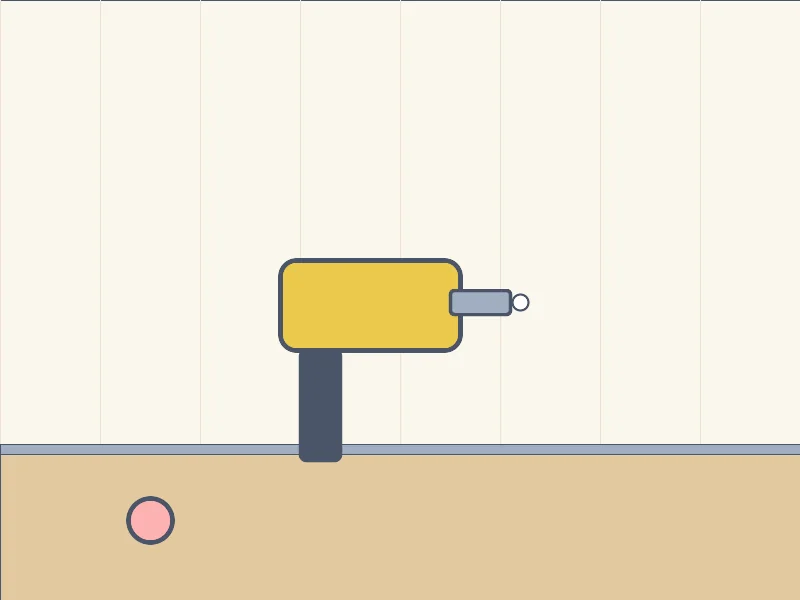
A hot glue gun makes fast, strong joints on craft and light repair work. Burns and messy strings come from handling it badly. Here is how to use a hot glue gun safely.
1. Set up the work area
1. Work on a silicone mat or scrap cardboard.
2. Keep the gun on a flat surface where it cannot roll.
3. Clear paper and fabric away from the nozzle.
4. Plug in where the cord will not be pulled.
2. Choose the right glue stick
1. Use a low temperature stick for foam, fabric and paper.
2. Use a high temperature stick for wood, metal and plastic.
3. Match the stick diameter to the gun.
4. Keep sticks clean, since dust clogs the feed.
3. Let it heat fully
1. Stand the gun on its base and plug it in.
2. Wait the full warm up time, usually three to five minutes.
3. Test on scrap before a real joint.
4. Keep the gun upright while it heats.
5. Do not leave a heating gun unattended.
4. Hold it correctly
1. Grip the handle, with your fingers behind the trigger.
2. Keep your other hand away from the nozzle path.
3. Point the nozzle down and forward, never toward yourself.
4. Keep the cord behind you, not across the work.
5. Apply the glue
1. Squeeze steadily with a light pressure on the trigger.
2. Move the nozzle along the joint as the glue flows.
3. Use a thin bead, since a thick one takes longer to set and squashes out.
4. Stop squeezing before you lift the nozzle to reduce strings.
5. Wipe the tip on scrap, not on your fingers.
6. Join the parts quickly
1. Press the pieces together within a few seconds.
2. Hold for 15 to 30 seconds until the glue grabs.
3. Use a craft stick to press, not a finger.
4. Work in small sections on a long joint.
7. Avoid strings and mess
1. Pull the nozzle away quickly at the end of a bead.
2. Twirl the gun slightly as you lift.
3. Pick up strings with a warm glue blob, not your hand.
4. Trim hardened strings with scissors.
5. Keep the nozzle clean with a cloth while warm.
8. Treat a burn properly
1. Cool the burn under cool running water for several minutes.
2. Do not pull glue off hot skin, since it takes skin with it.
3. Cover with a clean dressing.
4. Get medical help for a deep or large burn.
5. Keep children and pets out of the work area.
9. Store and clean up
1. Unplug the gun and let it cool on its stand.
2. Wipe the nozzle while it is still warm.
3. Trim the glue stick flush before storage.
4. Store sticks in a dry bag.
5. Check the cord for damage before the next use.
Common mistakes
- Laying the gun on its side, so glue runs into the case.
- Touching the nozzle or the bead with a finger.
- Using a thick bead that oozes out of the joint.
- Gluing a load bearing joint that needs screws or epoxy.
- Leaving the gun plugged in and unattended.
Related guides
- How to Use a Utility Knife Safely
- How to Use a Wheelbarrow Safely
- Caulk Gun Comparison: Red Devil and Newborn Models
FAQ
How long does hot glue take to dry?
It sets in about 30 seconds and reaches full strength in a few minutes. Larger beads take longer.
Can hot glue hold outdoors?
Not for long. Sun and cold break the bond, so use an exterior adhesive for outdoor repairs.
Will hot glue damage surfaces?
It can lift paint and finish, and it melts foam with a high temperature stick. Test on a hidden spot.
How do I remove dried hot glue?
Peel it off where you can, or soften it with a little rubbing alcohol. On fabric, chill it and pick it off.
More from this topic
- How to Use a Utility Knife Safely: Learn how to use a utility knife safely: extend the blade just enough, cut away from your body and retract it...
- How to Use a Wheelbarrow Safely: Learn how to use a wheelbarrow safely: load it evenly, keep the weight over the wheel and move it without...
- How to Use a Chisel Safely: Learn how to use a chisel safely: keep both hands behind the edge, cut with the grain, sharpen often and...
- How to Use a Shop Vac: Learn how to use a shop vac: match the filter to wet or dry work, choose the right nozzle and clean it so...
- How to Use a Circular Saw Safely: Learn how to use a circular saw safely: set the blade depth, support and clamp the work, cut on the waste...
 Tools and BasicsHow to Use a Utility Knife SafelyLearn how to use a utility knife safely: extend the blade just enough, cut away from your body and retract it before you set it down.
 Tools and BasicsHow to Use a Wheelbarrow SafelyLearn how to use a wheelbarrow safely: load it evenly, keep the weight over the wheel and move it without wrecking your back.
 Tools and BasicsHow to Use a Chisel SafelyLearn how to use a chisel safely: keep both hands behind the edge, cut with the grain, sharpen often and store it with a guard on.
 Tools and BasicsHow to Use a Shop VacLearn how to use a shop vac: match the filter to wet or dry work, choose the right nozzle and clean it so suction stays strong.
 Tools and BasicsHow to Use a Circular Saw SafelyLearn how to use a circular saw safely: set the blade depth, support and clamp the work, cut on the waste side of the line and keep the guard free.