
How to Store Leftover Paint
Part of: Tools and everyday fixes
- Difficulty
- Easy
- Time
- 20 to 30 minutes
- Tools
- paint can opener, stir stick, plastic wrap, rubber mallet, marker, labels, rag, funnel, small glass jar
- Call a pro if
- The paint is old, separated, or from a house built before 1978, since old paint may contain lead and needs special handling.
In this guide
- Chemical safety
Knowing how to store leftover paint means the next touch up matches without a trip to the store and a color match that never quite works. A can that is sealed well and kept from freezing can last for years.
The two enemies are air, which skins the paint over, and cold, which breaks down the emulsion so the paint never mixes smooth again. Both are easy to control with a few habits.
1. Use up what you can first
Before storing, consider whether you will really use the rest. Small amounts are better used on a closet wall, a scrap board for touch ups, or given away than stored for years. Paint you will never open is clutter.
2. Seal the can properly
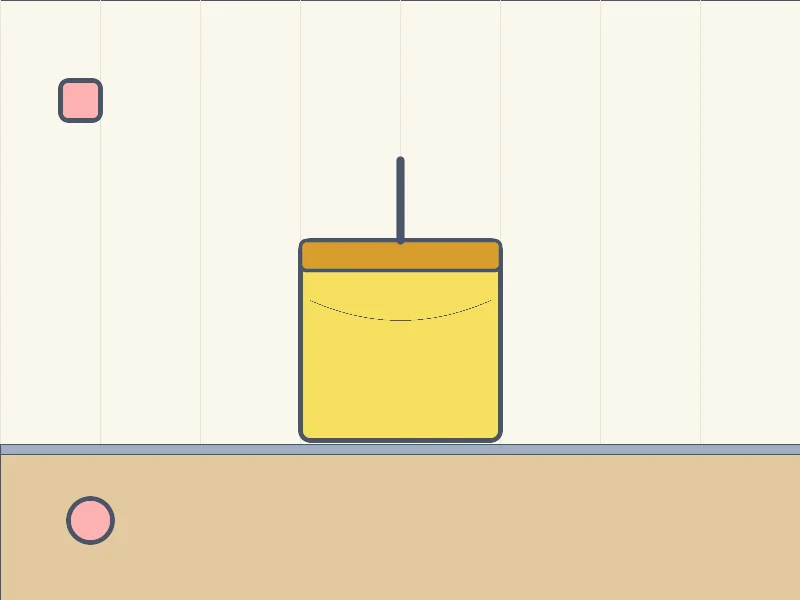
Wipe the rim of the can clean, lay a piece of plastic wrap over the opening, and tap the lid down with a rubber mallet. The plastic stops the lid from sealing to the rim and gives a second barrier against air. Do not use a hammer, which bends the lid.
3. Store it upside down, or not at all
Some painters store cans upside down so the paint seals the lid from the inside. That works with metal cans and tight lids, but it can leak with plastic. If you are not sure, store it upright and rely on the plastic wrap.
4. Label everything
Write the room, the color name and number, the finish, and the date on the lid and the side of the can. A strip of tape with the details works well, and writing on the lid means you can read it on a shelf. Photograph the label on your phone as a backup.
5. Keep a small touch up jar
Pour a little of each color into a labeled glass jar with a tight lid. Small jars are easier to open for a quick touch up than a full gallon, and they take up less space. Keep them together in one box.
6. Choose the right storage spot
Store paint where it stays above freezing and below about 90 degrees. A basement shelf or an interior closet works; a garage or shed does not in cold climates. Keep cans off concrete floors, which wick moisture.
7. Protect against freezing
Latex paint that freezes can separate permanently, and no amount of stirring brings it back. If your only storage is an unheated space, keep only small quantities and accept that they may be lost. Oil-based paint tolerates cold better but still suffers.
8. Check it before you use it
Open the can and stir. Paint that is smooth after stirring is fine. Paint that is lumpy, stringy, or smells sour has failed. Latex paint often separates with a watery layer on top, which is normal if it stirs smooth.
9. Dispose of what has failed
Let small amounts of latex paint dry out completely, then throw the solid away with the lid off so collectors can see it is dry. Use a commercial hardener for larger amounts. Oil-based paint and old lead paint need a household hazardous waste drop off.
10. Keep a paint record
Keep a list, or a photo album on your phone, of every color in the house with the room, brand line, and finish. It saves a match attempt years later and tells the next owner what was used, which is a small selling point.
Common mistakes
- Tapping the lid on with a hammer, which bends it and breaks the seal.
- Storing paint in a garage that freezes.
- Skipping the label, so years later nobody knows which room the color belongs to.
- Storing a can with a dirty rim, which lets air in.
- Pouring liquid paint into the trash.
- Keeping paint that has already curdled, which wastes shelf space.
Related guides
- How to Clean and Store a Paintbrush
- How to Store Leftover Tile
- How to Store Power Tools
- How to Store a Ladder
FAQ
How long does leftover paint last?
Latex paint lasts about 10 years if sealed and kept from freezing. Oil-based paint lasts longer. Once it curdles or smells sour, it is done.
Can I store paint in a garage?
Only if the garage stays above freezing. Freezing ruins latex paint permanently.
Should I store paint cans upside down?
It can help seal metal cans, but it risks leaks with plastic. Upright with plastic wrap under the lid is safer.
How do I dispose of old paint?
Dry small amounts of latex paint and throw the solids away. Take oil based or lead paint to a household hazardous waste site.
How do I stop paint skinning over in the can?
Clean the rim, lay plastic wrap over the opening, and tap the lid down. Skin forms where paint meets air.
More from this topic
- How to Store Leftover Tile: How to store leftover tile so it matches later: keep a full box, label the room, store it flat and dry, and...
- How to Clean and Store a Paintbrush: How to clean and store a paintbrush so it lasts for years: rinse by paint type, wash the bristles, shape...
- How to Store Lumber: How to store lumber so it stays straight and dry: stack it flat on stickers, keep it off concrete, and let...
- How to Cut a Sheet of Plywood by Yourself: Learn how to cut a sheet of plywood by yourself: support the sheet on foam, guide the saw against a straight...
- How to Use a Framing Square: How to use a framing square to mark square cuts, check a corner, and lay out stairs, with the numbers on the...
 Tools and BasicsHow to Store Leftover TileHow to store leftover tile so it matches later: keep a full box, label the room, store it flat and dry, and know how much to keep.
 Tools and BasicsHow to Clean and Store a PaintbrushHow to clean and store a paintbrush so it lasts for years: rinse by paint type, wash the bristles, shape them, and hang it to dry.
 Tools and BasicsHow to Store LumberHow to store lumber so it stays straight and dry: stack it flat on stickers, keep it off concrete, and let the air move around it.
 Tools and BasicsHow to Cut a Sheet of Plywood by YourselfLearn how to cut a sheet of plywood by yourself: support the sheet on foam, guide the saw against a straight edge and cut the good face up.
 Tools and BasicsHow to Use a Framing SquareHow to use a framing square to mark square cuts, check a corner, and lay out stairs, with the numbers on the body and tongue explained.