
How to Drive a Screw Without Splitting Wood
Part of: Tools and everyday fixes
- Difficulty
- Easy
- Time
- 15 minutes to learn
- Tools
- Cordless drill or driver, driver bits, drill bits, countersink bit, clamp, pencil, scrap wood, safety glasses
- Call a pro if
- You are fixing a deck ledger, a stair stringer or anything load bearing, since those need specified structural fasteners.
In this guide
- Wear protection
A split board means a wasted piece and a visible crack. Splitting comes from the wrong pilot size, the wrong spot or too much speed. Here is how to drive a screw without splitting wood.
1. Choose the right screw
1. Match the length to the material: enough to bite, not enough to break out.
2. Use coarse threads for softwood and fine threads for hardwood.
3. Use deck screws outdoors, since they resist rust.
4. Avoid screwing near the very end of a board if you can.
2. Drill a pilot hole
1. Use a pilot bit about the diameter of the screw shank, not the threads.
2. For hardwood, use a slightly larger pilot.
3. Drill deeper than the screw will penetrate.
4. In softwood, a pilot is still worth it near the ends.
3. Countersink the head
1. Use a countersink bit so the head sits flush or below.
2. Countersinking also removes the stress that splits the surface.
3. Set the depth so the head sits just below the surface.
4. For a plug, countersink deeper and glue a plug over.
4. Choose the right driver bit
1. Match the bit to the screw head exactly.
2. Use a bit in good condition, not a rounded one.
3. Seat the bit fully in the head before starting.
4. Keep spare bits in the case.
5. Hold the work firmly
1. Clamp the pieces so they cannot shift.
2. Keep the joint tight with a clamp before the first screw.
3. Check the alignment before driving.
6. Drive with control
1. Start slowly so the screw bites.
2. Keep the driver in line with the screw.
3. Increase speed once the screw is seated.
4. Stop when the head is flush, not when the drill stops turning.
7. Prevent splitting at the ends
1. Drill a pilot every time near an end.
2. Move the screw further in, at least the board thickness from the end.
3. Clamp the end to stop it spreading.
4. Blunt the point of a nail if you are nailing instead.
8. Fix a stripped screw
1. Stop as soon as the bit spins.
2. Try a slightly larger bit or a square drive screw.
3. Put a rubber band over the head for grip as a last resort.
4. Back it out with pliers if the head is proud.
9. Finish the joint
1. Check the head is flush or slightly below.
2. Fill the hole with wood filler or a plug.
3. Sand flush once dry.
4. Check the joint is tight with no gap.
Common mistakes
- No pilot hole near the end of a board.
- Using a bit that does not match the screw head.
- Driving at full speed from the first turn.
- Over-tightening until the wood crushes.
- Using drywall screws for structural work.
Related guides
- How to Make a Wood Plug
- How to Use a Cordless Drill Correctly
- How to Cut a Hole With a Hole Saw
- How to Use a Nail Set
- How to Remove a Stripped Screw (5 Methods That Work)
FAQ
Do I always need a pilot hole?
No, but it helps on hardwood, near ends and with large screws. It is cheap insurance against a split.
What size pilot hole should I drill?
About the diameter of the screw shank, the solid core inside the threads, not the outside of the threads.
Why do my screws strip the head?
A worn or wrong sized driver bit, not enough pressure, or driving at too high a speed.
Can I use drywall screws outdoors?
No. They rust and are brittle. Use deck or exterior screws.
More from this topic
- How to Countersink a Screw: How to countersink a screw so the head sits flush or below the surface: pick the bit, set the depth, and...
- How to Make a Wood Plug: How to make a wood plug to hide a screw head: cut it from matching stock, match the grain, glue it in, and...
- How to Use a Jigsaw for Curves and Cutouts: Learn how to use a jigsaw: pick the right blade, set the speed and orbital action, support the work, cut...
- How to Drill a Straight Hole in Wood: Learn how to drill a straight hole in wood: mark both faces, start with a pilot, hold the drill square and...
- How to Fix a Stripped Screw Hole in Wood: 4 Simple Methods: How to fix a stripped screw hole in wood: use toothpicks and glue, a dowel, a larger screw or a wood filler...
 Tools and BasicsHow to Countersink a ScrewHow to countersink a screw so the head sits flush or below the surface: pick the bit, set the depth, and avoid splitting the wood.
 Tools and BasicsHow to Make a Wood PlugHow to make a wood plug to hide a screw head: cut it from matching stock, match the grain, glue it in, and trim it flush.
 Tools and BasicsHow to Use a Jigsaw for Curves and CutoutsLearn how to use a jigsaw: pick the right blade, set the speed and orbital action, support the work, cut curves slowly and keep the base flat.
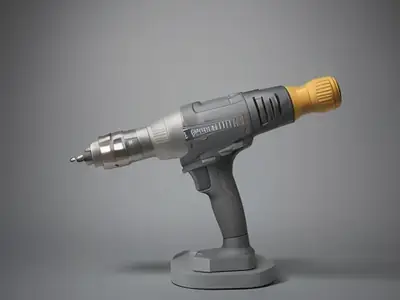 Tools and BasicsHow to Drill a Straight Hole in WoodLearn how to drill a straight hole in wood: mark both faces, start with a pilot, hold the drill square and check the exit before breakthrough.
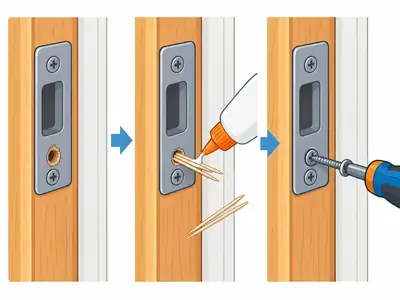 Tools and BasicsHow to Fix a Stripped Screw Hole in Wood: 4 Simple MethodsHow to fix a stripped screw hole in wood: use toothpicks and glue, a dowel, a larger screw or a wood filler method so hinges and fixtures hold tight.