
How to Fill Picture Holes Before Moving Out
Part of: Floors, walls and doors
- Difficulty
- Easy
- Time
- 10 minutes per room, plus drying time
- Tools
- Lightweight spackle, a putty knife, fine sandpaper, matching touch-up paint, a damp cloth
- Call a pro if
- The walls have large damage, cracks or texture you cannot match, since a visible bad patch can cost as much as a professional one from the deposit.
In this guide
- Wear protection
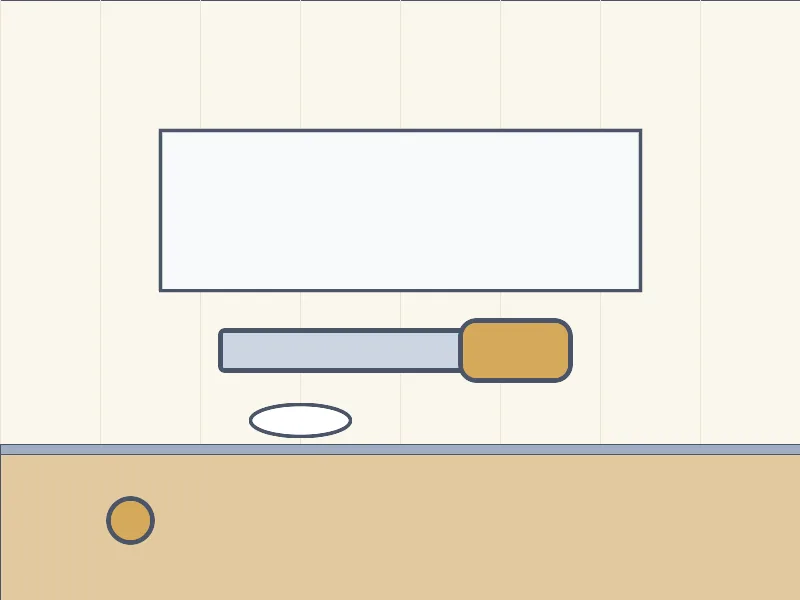
Picture holes are the number one quiet deposit deduction, and they are also the cheapest repair in home maintenance. Learning how to fill picture holes before moving out takes ten minutes a room and a small tub of spackle. Do it the week before the walkthrough, not the night before.
1. Gather the right supplies
Small holes want light materials.
1. Lightweight spackle for nail and picture-hook holes; it dries fast and shrinks little.
2. A two inch putty knife, fine sandpaper and a damp cloth.
3. Touch-up paint matched to the wall, ideally the original can or a chip matched at the paint desk.
4. Ask the landlord first whether they want touch-up paint applied; some prefer to paint themselves.
2. Pull the hardware cleanly
Removal is half the repair.
1. Remove nails, screws and picture hooks with pliers, pulling straight out.
2. Back screws out rather than prying them.
3. For adhesive strips, stretch them slowly straight down the wall, never outward.
4. If a wall anchor spins or will not pull, push it gently through into the cavity and fill over it; digging it out makes a bigger hole.
3. Prep each hole
Ten seconds of prep makes the fill invisible.
1. Press any raised drywall paper or gypsum around the hole inward.
2. Wipe the spot with the damp cloth to remove dust and loose paint.
3. Scrape flaking edges lightly with the knife.
4. Let the spot dry before filling.
4. Fill flush, not proud
The goal is a patch you cannot feel.
1. Press a pea of spackle into the hole with the knife.
2. Draw the knife flat across it, scraping the excess off the wall.
3. Two thin passes beat one thick one.
4. Let it dry per the tub, usually under an hour for lightweight spackle.
5. Sand gently and check by touch
Light touch, flat result.
1. Sand once, lightly, with fine sandpaper, just enough to level.
2. Run a fingertip over the spot; you should feel wall, not patch.
3. Wipe the dust away with the damp cloth and let it dry.
4. A second thin fill fixes any dimple; never pile on one heavy coat.
6. Touch up the paint correctly
Paint is where amateur patches get caught.
1. Use the original paint if it exists, or a matched sample; sheen matters as much as color.
2. Feather a small amount over the patch with a small brush or mini roller.
3. Flat paint hides patches well; satin and gloss highlight them, so keep touch-ups thin.
4. On badly marked walls, painting corner to corner beats a constellation of spots.
7. Walk the unit like an inspector
Finish with the landlord's eyes.
1. Check every room in daylight and again with lamps on at night; raking light reveals patches.
2. Look behind doors, in closets and along the baseboards for missed holes.
3. Photograph the finished walls for your records, next to your rental move-in checklist photos.
4. Leave a note of anything you could not fix and why, in writing.
Common mistakes
- Using toothpaste, soap or caulk instead of spackle; inspectors know the look.
- Overfilling so the patch stands proud and catches the light.
- Skipping paint or using the wrong sheen.
- Painting when the lease says the landlord handles touch-ups.
- Filling holes the night before the walkthrough with no drying time.
FAQ
Do I need to fill nail holes when moving out?
Most leases expect walls returned in the condition received, minus normal wear. A few small nail holes sometimes count as wear; a gallery wall of holes does not. Filling them properly costs minutes and removes the argument.
What is the best filler for small nail holes?
Lightweight spackle. It presses in with a putty knife, dries fast, shrinks little and sands flat with almost no effort.
Should I paint over filled holes in a rental?
Only with matching paint and, ideally, the landlord's agreement. A mismatched touch-up can look worse than a clean patch. Many landlords prefer to paint themselves; ask in writing.
Can landlords charge for picture holes?
They can deduct for damage beyond normal wear, and a large number of holes usually qualifies. A properly filled, painted patch is not damage, which is the entire point of this repair.
Related guides
- How to Fill Nail Holes in Trim: How to fill nail holes in trim so they vanish under paint: set the nails, choose the right filler, and sand...
- How to Prep Walls Before Painting: How to prep walls before painting in order: clear and wash, fill holes, sand and dust, tape the edges and...
- How to Break a Lease Early Without Losing Your Deposit: Learn how to break a lease early without losing your deposit: check the exit clause, give written notice and...
- How to Patch Drywall Hole: Small and Medium Repairs: How to patch drywall hole damage, from nail holes to doorknob-sized breaks, with the right filler, tape and...
- Plaster Repair: Cracks, Holes and Ceilings: Plaster repair for walls and ceilings: tell a crack from a failed key, cut back, bond, and build thin coats....
 Walls and PaintHow to Fill Nail Holes in TrimHow to fill nail holes in trim so they vanish under paint: set the nails, choose the right filler, and sand flush without denting the wood.
 Walls and PaintHow to Prep Walls Before PaintingHow to prep walls before painting in order: clear and wash, fill holes, sand and dust, tape the edges and prime for an even finish coat.
 First HomeHow to Break a Lease Early Without Losing Your DepositLearn how to break a lease early without losing your deposit: check the exit clause, give written notice and document the unit before you leave.
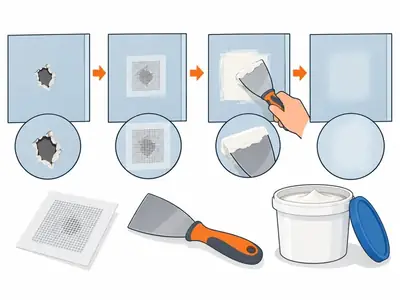 Walls and PaintHow to Patch Drywall Hole: Small and Medium RepairsHow to patch drywall hole damage, from nail holes to doorknob-sized breaks, with the right filler, tape and sanding steps. Steps and safety tips included.
 Walls and PaintPlaster Repair: Cracks, Holes and CeilingsPlaster repair for walls and ceilings: tell a crack from a failed key, cut back, bond, and build thin coats. Know when to call a pro.