
Floors and Floor Care: Stop Squeaks, Scratches and Gaps
Part of: Floors, walls and doors
- Difficulty
- Easy
- Time
- 15 minutes to 2 hours
- Tools
- Screwdriver, stud finder, wood filler, wax stick, floor cleaner, microfiber mop, vacuum
- Call a pro if
- A floor bounces or sags, a squeak comes with a soft spot, water has been under the flooring long enough to cup or swell it, or a tile is loose over a wet substrate.
In this guide
- Water off first
- Wear protection
This guide covers floors and floor care, from squeaks and gaps to cracked tile. Floors take more wear than anything else in the house and get the least attention until something goes wrong. The good news is that most floor complaints are cosmetic or mechanical: a squeak, a scratch, a lifted plank, a dent in the carpet. Very few of them need the floor taken up, and almost all of them get worse if you ignore them.
Squeaks, creaks and loose parts
A squeak is two surfaces moving against each other, usually a subfloor rubbing a joist or a nail. The trick is finding the exact spot, so walk the floor slowly with someone listening at ceiling height below if you can.
From above, the least invasive fix is to drive screws through the finished floor into the joists, countersinking and filling the heads. On carpet, you can do this and never see it. On hardwood, find the joists with a stud finder first, or you will add twenty holes and no fix. From below, in a basement or crawl space, a shim or a bead of construction adhesive between the subfloor and the joist works without touching the finish.
Stairs are their own case: a tread that creaks usually needs a shim or a screw from underneath, and a loose handrail needs the bracket tightened into something solid, not just snugged up.
A squeaky bed frame is not a floor problem but it sounds like one, and it is a five-minute fix with a wrench.
Scratches, gaps and damaged boards
A light scratch in hardwood is a color problem, not a sanding problem: a wax stick or a touch-up pen in the right shade hides it, and the scratch stops catching the light. Deep gouges that go through the finish need a filler and a spot repair, which is a different job from refinishing the whole floor.
Vinyl plank that has gapped is usually seasonal movement or a floor that was not acclimated. Small gaps close with a tapping block and a pull bar at the end of the run; if the gap keeps returning, the expansion gap at the wall is the cause and the baseboard has to come off to fix it.
A cracked tile can sometimes be repaired without replacing it if the crack is hairline and the tile is still bonded. A hollow-sounding tile is the warning sign that the bond has failed, and that tile will come loose. Deal with it before it breaks.
Carpet, dents and stains
Furniture dents in carpet lift with ice or a damp towel and a little heat, because the fibers are crushed rather than damaged. Stains need the right approach for the substance: blot, never rub, and work from the outside in. Pet accidents need an enzyme cleaner, not detergent, or the smell returns.
Vacuuming properly matters more than most people think. Slow passes, overlapping, and the right height setting remove the grit that wears fibers down.
Cleaning each floor without wrecking it
Every floor type has one thing that ruins it. Hardwood hates standing water and vinegar in quantity. Laminate hates a wet mop, because water gets into the seams and swells the core. Vinyl plank tolerates damp but not puddles at the edges. Tile is the toughest, but a dirty mop just moves the film around.
The rule for all of them is the same: remove dry soil first, use the least water that does the job, and dry as you go. A microfiber mop you rinse often beats a bucket of soapy water.
Protecting what you have
Felt pads under furniture legs, a mat at each exterior door, and a no-shoes habit prevent most of the damage a floor will ever see. When you move furniture, lift rather than drag, and put a blanket or a slider under anything heavy.
When to stop and call a pro
Call if the floor bounces or sags, if a squeak comes with a soft spot, if water has been sitting under the flooring, or if a whole room of planks has lifted. Those are subfloor, moisture or installation problems, and a cosmetic fix will fail. Refinishing a hardwood floor is also a pro job unless you have the equipment and the patience.
FAQ
Can I fix a squeaky floor without removing the carpet? Yes. Find the joists, drive screws through the carpet and pad, and countersink. The carpet hides the holes.
Why do my vinyl planks keep separating? Usually not enough expansion gap at the walls, or a floor laid over an uneven subfloor. Tapping them back is temporary if the cause is not fixed.
What removes water rings from wood furniture? A cloth and a warm iron over the ring, or a mild oil-based polish. Do not sand unless the finish is already damaged.
Is vinegar safe on hardwood floors? In small amounts it is fine, but repeated use dulls the finish. A pH-neutral wood cleaner is the safer habit.
Related guides
- How to Fix Squeaky Floors Without Tearing Anything Up
- How to Fix Gaps in Vinyl Plank Flooring
- How to Fix a Cracked Tile Without Replacing It
- How to Clean Hardwood Floors Without Damaging the Finish
- How to Remove Carpet Stains: Coffee, Wine, Pet Accidents and More
- How to Clean Vinyl Plank Floors and Keep Them Looking New
More from this topic
- Doors and Windows: Fix Sticking, Squeaks and Drafts: Doors and windows: a door that sticks, scrapes or will not latch, a window painted shut, a draft under an...
- Drywall, Paint and Wall Repair: Fixes You Actually Need: Wall repair: patch a hole, fix nail pops and cracks, match texture, then paint it so the repair disappears: a...
- How to Protect Floors from Furniture Scratches Easily: Learn how to protect floors from furniture scratches with felt pads, rugs, chair glides, and lifting tips...
- How to Care for Engineered Hardwood Floors and Avoid Damage: Learn how to care for engineered hardwood floors: sweep and vacuum, use a barely damp mop and the right...
- How to Care for Natural Stone Floors: Learn how to care for natural stone floors like marble, travertine, and slate: use pH neutral cleaners, avoid...
 Doors and WindowsDoors and Windows: Fix Sticking, Squeaks and DraftsDoors and windows: a door that sticks, scrapes or will not latch, a window painted shut, a draft under an exterior door or a torn screen: the fixes.
 Walls and PaintDrywall, Paint and Wall Repair: Fixes You Actually NeedWall repair: patch a hole, fix nail pops and cracks, match texture, then paint it so the repair disappears: a practical order of work for walls and ceilings.
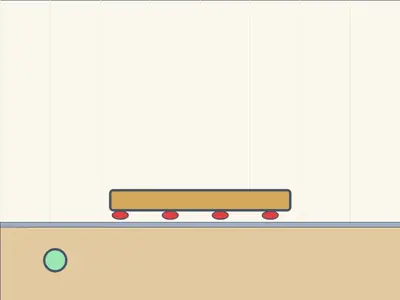 FloorsHow to Protect Floors from Furniture Scratches EasilyLearn how to protect floors from furniture scratches with felt pads, rugs, chair glides, and lifting tips that work on hardwood, laminate, vinyl, and tile.
 FloorsHow to Care for Engineered Hardwood Floors and Avoid DamageLearn how to care for engineered hardwood floors: sweep and vacuum, use a barely damp mop and the right cleaner, handle spills, and avoid water and heat damage.
 FloorsHow to Care for Natural Stone FloorsLearn how to care for natural stone floors like marble, travertine, and slate: use pH neutral cleaners, avoid acids, wipe spills fast, and reseal as needed.